


More news on this day
Cyclone Arnab’s heavy rains and swollen rivers have disrupted one of India’s busiest coastal rail corridors, leaving passengers stranded across Odisha and Andhra Pradesh while East Coast Railway accelerates emergency safety measures and widespread timetable changes.
Get the latest news straight to your inbox!
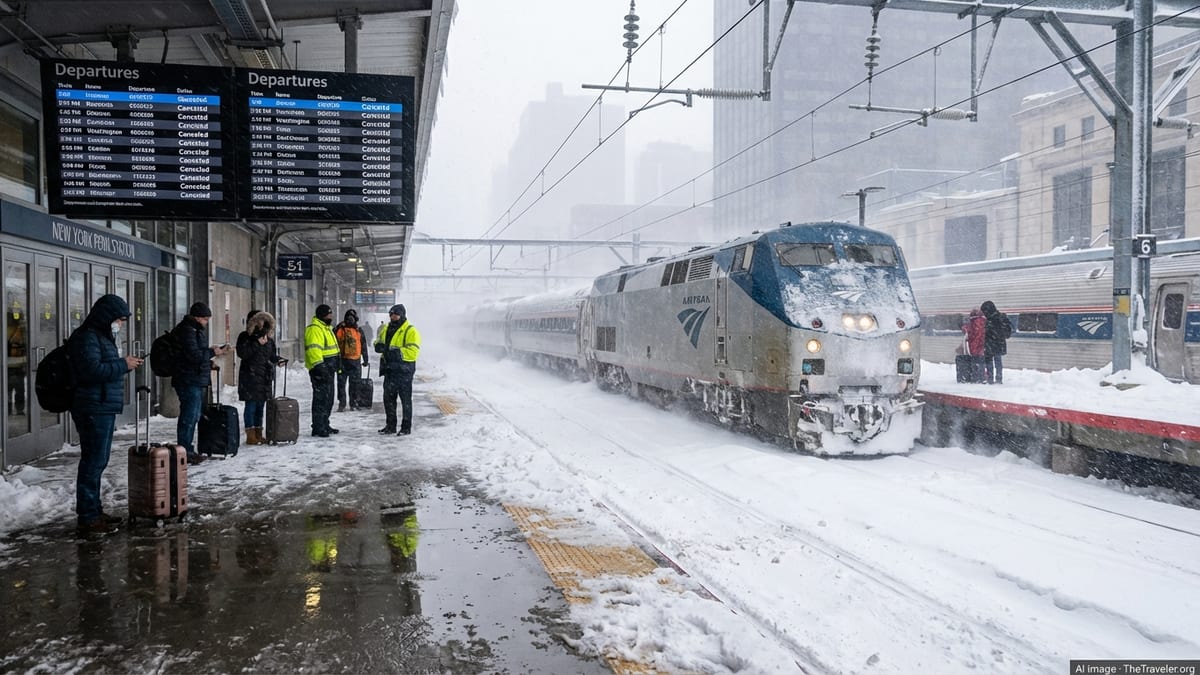
Rising river levels sever key coastal rail link
Heavy rainfall linked to Cyclone Arnab has pushed the Bahuda River in Odisha’s Ganjam district above danger levels at multiple bridges on the Howrah–Chennai main line, according to regional media reports. The sudden rise in water has forced East Coast Railway to halt traffic across affected sections, cutting a vital connection between Kolkata, Bhubaneswar, Visakhapatnam and Chennai.
Coverage from national and regional outlets indicates that by October 29, rail traffic through the Bahuda crossings had been suspended after track approaches and bridge spans faced strong current and debris. The precaution is aimed at preventing structural damage on a corridor that typically carries a dense mix of long-distance expresses and freight trains serving ports and industrial hubs.
Reports show that at least 36 trains across multiple zones were cancelled and around 30 diverted following the disruption on the Howrah–Chennai route, with East Coast Railway alone accounting for the bulk of those changes. Services that could not be rerouted were held at major junctions in Odisha and northern Andhra Pradesh, leading to crowding at stations and extended onboard delays for travelers already en route.
Information compiled from railway statements and news coverage suggests that resumption of full services will depend on a sustained fall in river levels and engineering inspections of bridge foundations, embankments and signaling equipment along the cyclone-affected stretches.
Wave of cancellations strands passengers across Odisha and Andhra
As Cyclone Arnab moved inland from the Bay of Bengal around October 27 to 28, East Coast Railway progressively cancelled and curtailed passenger services to limit exposure to flooding, landslides and potential track washouts. Regional reports from Bhubaneswar describe a rolling schedule of suspensions that began with 14 trains, later expanding to more than 20 ECoR-operated expresses and locals.
Subsequent national coverage indicates that at least 42 trains, including a Vande Bharat Express, were cancelled system-wide due to the cyclone, with around 70 others affected through diversions, partial cancellations or short terminations. The evolving list has included prominent long-distance services running through the East Coast zone, such as the Coromandel Express and East Coast Express, which have been rerouted away from vulnerable coastal stretches via inland corridors through Angul, Sambalpur and Titlagarh.
Another compilation of advisories suggests that, taken together, Indian Railways has cancelled more than 60 services in the wider impact area of the storm, with over 100 trains reportedly affected at various stages if rescheduling and short-origin operations are included. Passengers with reservations on these routes have been directed, through public notices and media reports, to check live status tools before travel instead of relying on printed timetables.
For many travelers, the most visible impact has been prolonged waits at junctions such as Visakhapatnam, Vijayawada, Vizianagaram and Bhubaneswar, where trains have been held for safety checks or rerouted at short notice. Coverage from multiple outlets notes that some passengers have been advised to consider alternative travel arrangements on short sectors where road connections remain open.
ECoR activates disaster cells, field patrols and monitoring
In the days leading up to Arnab’s landfall, East Coast Railway drew on its cyclone management playbook, which is shaped by zonal disaster management plans and experience from previous Bay of Bengal storms. Publicly available information indicates that a dedicated Disaster Management Cell was activated at Rail Sadan in Bhubaneswar, supported by round-the-clock control rooms at divisional headquarters including Khurda Road, Sambalpur and Waltair.
Reports on the preparedness measures state that ECoR placed engineering, signaling and electrical teams on standby across vulnerable sections, particularly in the Odisha districts of Ganjam, Gajapati, Rayagada, Koraput and Malkangiri, which had been identified as high risk. Patrols along track, bridges and cuttings were intensified, with linemen and key maintenance staff deployed to watch for signs of scouring, fallen trees, overhead equipment damage and landslides.
News coverage of these measures highlights that control offices have been tasked with closely tracking rainfall data, river gauge readings and advisories from the India Meteorological Department. Train movements through low-lying stretches are being cleared only after local inspections, with speed restrictions and, where necessary, block closures applied to sections experiencing waterlogging or erosion.
ECoR’s actions align with broader Indian Railways cyclone protocols, which emphasize pre-emptive route closures, conservative speed limits and rapid post-storm inspection before normal timetables resume. The approach is designed to minimise the risk of incidents while allowing freight and relief movements to restart quickly once infrastructure is deemed safe.
Onboard delays, terminal congestion and passenger assistance
While large-scale cancellations have reduced the number of trains entering cyclone-hit districts, those already in motion when conditions deteriorated have encountered extended unscheduled halts. Media reports from the coastal belt describe passengers spending long periods in coaches waiting for clearances, particularly near junctions where crews awaited confirmation that bridges and low embankments were still safe.
At stations such as Vijayawada, Visakhapatnam, Vizianagaram, Srikakulam Road, Palasa and Ichchapuram, help desks have been set up to assist those affected by diversions and last-minute timetable changes, according to national newspaper coverage. Railway announcement systems and station display boards have been used to relay changes to platforms and departure times, although intermittent power and communication issues in some areas have complicated the flow of information.
Reports also indicate that passenger grievance channels, including the Rail Madad platform and official social media handles of railway zones, are being monitored more closely during the cyclone period. Travelers have been encouraged through public advisories to register complaints or queries through these systems if they encounter overcrowding, lack of basic amenities or confusion about revised routes.
Where short-distance journeys have been disrupted, state agencies and local administrations have, in some cases, explored the use of road transport to move stranded travelers between nearby towns, based on information carried in regional news updates. However, the feasibility of such arrangements has varied with road conditions as the storm’s heavy rains advance inland.
Travel advisories and what rail passengers should do now
Indian Railways and zonal administrations have issued a series of travel advisories as Cyclone Arnab continues to affect services. Published guidance urges passengers to check real-time train status through official channels such as national enquiry systems, mobile apps and station enquiry counters before setting out for their journey, as printed tickets and static schedules may no longer reflect current operations.
For those already holding reservations on affected routes, media reports note that standard rules on refunds and cancellations apply when services are cancelled or partially cancelled by the railways. Passengers are being advised to retain tickets and refer to official notices or enquiry counters for confirmation on eligibility rather than making assumptions while disruption is ongoing.
Coverage of the cyclone’s impact underlines that travel through the East Coast Railway zone over the coming days will remain heavily weather dependent, especially on sections near major rivers and coastal districts. Prospective travelers are being encouraged to factor possible diversions, longer journey times and sudden cancellations into their plans, and to carry essential supplies such as drinking water and basic medications when boarding trains in regions under weather alerts.
As engineering teams continue inspections and river levels stabilize, ECoR is expected to gradually restore services on the Howrah–Chennai corridor. Until then, rail users heading to or transiting through Odisha and northern Andhra Pradesh are likely to face ongoing timetable adjustments as safety considerations remain the overriding priority.