


More news on this day
Australian residents on the Villa Vie Odyssey have been left stranded in Cambodia after the residential cruise ship abruptly suspended its three-and-a-half-year world voyage in the port of Sihanoukville, halting a much-publicised “live at sea” experiment more than 750 days into its journey.
Get the latest news straight to your inbox!
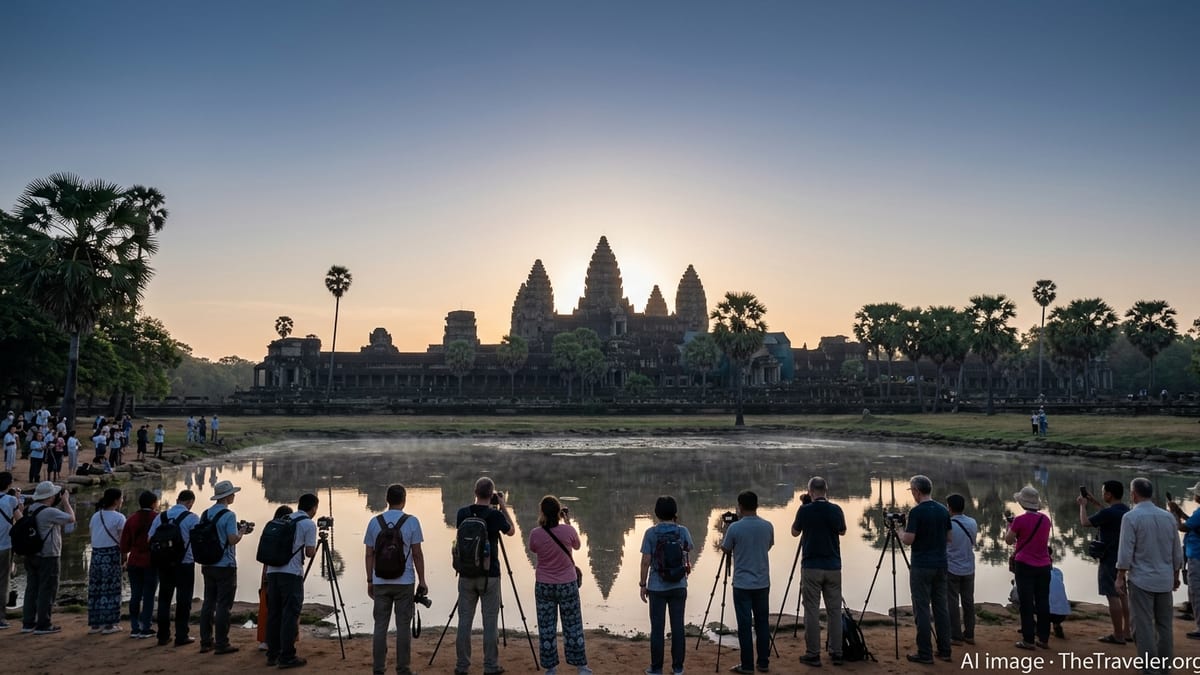
Dream voyage ends abruptly in Sihanoukville
The Villa Vie Odyssey, operated by Florida-based company Villa Vie Residences, was conceived as a continuously sailing residential ship, with cabins marketed as long-term floating homes and rights to live on board sold for years or even decades at a time. The vessel departed Belfast in October 2024 on a planned 3.5-year global itinerary that was due to call in almost 150 countries before looping back to Europe.
According to publicly available company statements and multiple media reports, the cruise came to a sudden halt in Cambodia on 27 October 2026. Residents were informed in a written notice that operations were being suspended in Sihanoukville and that they would need to disembark with their belongings while the business assessed its financial position.
International coverage indicates that around 200 passengers from Australia, Europe and North America were on board when the order came, along with more than 150 crew members. Local officials in Preah Sihanouk province have been quoted in regional media confirming that the Bahamas-flagged ship remains at Sihanoukville’s deep-water port while the situation is resolved.
Australian media reports identify at least two Australians, including Brisbane-based Pilates instructor Rina Cavazza and Melbourne retiree Frances Paroissien, who had been living aboard the Odyssey and now face an uncertain future on shore in Cambodia.
Fuel price surge triggers shutdown
Villa Vie Residences attributes the suspension to soaring fuel costs on the ship’s Asia leg. In information circulated to residents and cited by outlets such as the Associated Press and Euronews, the company said monthly fuel expenses per cabin, historically around 1,800 US dollars, had climbed to between 6,000 and 8,000 dollars in parts of Asia following disruptions linked to the war in Iran and wider shipping volatility.
The operator described the increases as “extraordinary” and said they had rendered the existing business model “extremely challenging”. Publicly available information suggests the company was unable to secure additional fuel or financing to continue normal operations, prompting the lay-up of the vessel in Sihanoukville instead of continuing to Thailand or Vietnam, where onward international connections would typically be easier.
Reports from passenger blogs and cruise-industry outlets indicate that signs of strain had emerged earlier in the year, including delayed maintenance, itinerary changes and growing concern among some residents about communication from management. However, many long-term passengers still expected the Odyssey to complete its scheduled world loop or at least continue to another major hub before any extended pause.
The sudden shutdown in a secondary port like Sihanoukville has intensified criticism of the company’s planning and risk management, particularly given the age of the vessel, built in 1993 and previously operated by several mainstream cruise lines under different names before it was converted into a residential ship.
Australians and other residents scramble for accommodation
With the ship’s hotel and restaurant operations winding down, residents have had to secure accommodation and transport in coastal Cambodia at short notice. Images carried by international news agencies show passengers wheeling suitcases down the gangway and checking into nearby hotels in Sihanoukville after leaving the Odyssey.
Coverage by Australian broadcasters and newspapers describes passengers feeling “more numb than anything” as they absorb the loss of what was meant to be a long-term home at sea. Some Australians had sold property or downsized significantly to buy into the cruise, expecting years of global travel without the need to return to a traditional base on land.
According to published reports from local Cambodian officials, the operator has coordinated limited temporary accommodation and logistical support in Sihanoukville, but is not covering the cost of international flights home for residents. That leaves many Australians weighing whether to remain in Southeast Asia while they wait for clarity on the ship’s future, or to finance their own return to Australia and rebuild their lives on shore.
Travel coverage from outlets profiling individual passengers notes that some former residents are considering moving on to lower-cost destinations nearby, such as Vietnam, Bali or Thailand, in the hope their savings stretch further while they assess legal options and monitor any restructuring efforts by Villa Vie Residences.
Legal and financial questions over residential cruise model
The Odyssey’s sudden lay-up has raised broader questions about the viability of residential cruise concepts that market multi-year or lifetime rights to cabins in exchange for substantial up-front payments. Promotional material for Villa Vie highlighted offerings such as “lifetime” residential packages and a so-called “Golden Passport” for living at sea, appealing to digital nomads, retirees and frequent travellers seeking an alternative to traditional property.
Publicly available information on the company’s website and marketing brochures shows that residents could buy long-term occupancy rights or commit to extended leases, with monthly service charges expected to cover fuel, staffing and onboard services. The sharp spike in fuel prices, however, appears to have undermined these projections, leaving the business searching for fresh funding while the ship remains idle.
Consumer-law specialists quoted in international media have noted that passengers’ rights will depend heavily on the specific contracts they signed, including whether they purchased transferable “real estate style” interests or more conventional cruise products. Some jurisdictions may treat the arrangements closer to timeshare or membership agreements than to standard cruise bookings, complicating refund and compensation claims.
In online forums devoted to the Odyssey, residents and would-be buyers are sharing documentation and discussing potential collective action. Several posts reference company statements that Villa Vie is seeking additional investment and exploring restructuring options, though there is currently no publicly confirmed timetable for either a return to service or a formal insolvency process.
Impact on cruise confidence and future itineraries
The breakdown of the Villa Vie Odyssey experiment is already reverberating through the broader cruise and travel market. Industry analysts quoted in specialist cruise publications suggest that the highly publicised failure of an “endless” world voyage could dampen appetite for similar long-term residential concepts, at least in the short term, and sharpen regulatory scrutiny of multi-year cruise products sold as lifestyle investments.
For mainstream cruise travellers, the immediate operational impact is limited, as the Odyssey largely operated outside traditional seasonal deployment patterns. However, the episode underscores the sensitivity of long-distance cruising to fuel volatility at a time when global shipping routes are being reshaped by conflict-related disruptions and environmental regulations.
Australian travel agents contacted by domestic media have reported heightened concern among clients considering extended voyages or world cruises with smaller or newer operators. While large brands continue to promote multi-month round-the-world itineraries, the collapse of the Odyssey’s schedule is likely to prompt more detailed questions from prospective passengers about financial safeguards, contingency planning and the small print of cancellation clauses.
For those left in Cambodia, the focus remains immediate and personal: finding housing, securing flights or alternative travel plans and determining whether they will ever recover part of the money invested in a life at sea that, for now, has run aground on the Cambodian coast.