


More news on this day
Richmond is winding down its emergency response to a recent downtown freight train derailment and is now concentrating on long-term restoration, focusing on cleanup of the James River corridor, infrastructure repairs and the gradual return of disrupted rail and tourism activity.
Get the latest news straight to your inbox!
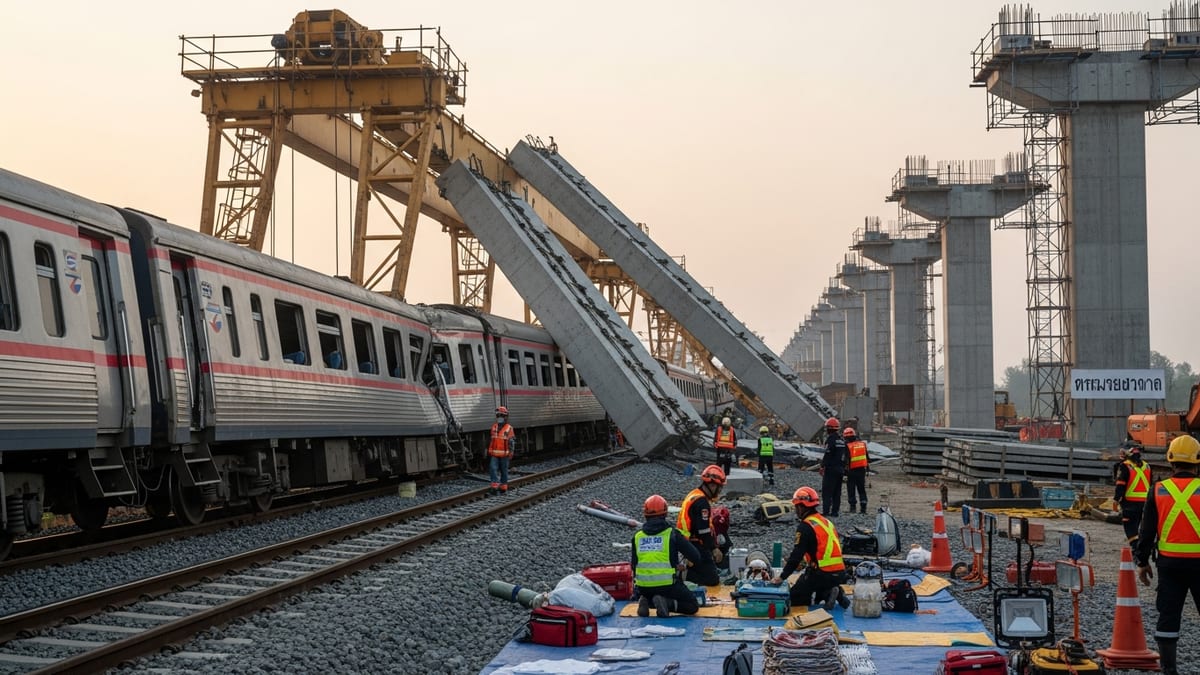
From crisis response to structured recovery
Publicly available information indicates that the most acute phase of the incident has passed, with no ongoing threat to life safety in the immediate derailment zone. Emergency teams have been scaled back as rail operations resume on repaired track, and traffic patterns in the central city stabilize. What remains is a more methodical phase of work aimed at restoring damaged infrastructure and surrounding public spaces.
Reports describe the derailment as involving multiple freight cars that left an elevated section of track near the James River and Kanawha Canal, with several cars ending up in the water. Initial efforts concentrated on stabilizing the scene, assessing structural damage to the bridge and nearby embankments, and clearing rail cars so that limited train movements could restart. With those objectives largely met, city and rail company resources are shifting to environmental remediation and long-term monitoring.
Richmond’s approach mirrors emergency operations guidance that defines the end of the response phase as the point when immediate hazards are controlled and essential services are functioning again. In this case, that transition is marked by the closure of the unified emergency command presence on site and the handoff to engineering, environmental and restoration specialists who will remain active for weeks or months.
Cleanup along the river and canal corridor
The stretch of riverfront where the derailment occurred is one of Richmond’s most visited areas, combining historic canal infrastructure, rail lines and popular walking routes. Travel through the corridor has been affected not only by rail disruptions but also by temporary closures of riverside paths and viewing spots while cranes and barges work to remove debris from the water.
According to published coverage, rail contractors and environmental crews have been retrieving freight car components and spilled material from the river and canal, with a focus on minimizing sediment disturbance and protecting downstream water quality. Booms and containment barriers have been visible around the site, helping to keep debris from drifting into recreational sections of the James that attract kayakers, anglers and swimmers, especially during the summer travel season.
As the visible wreckage is pulled out, attention is turning to more detailed inspections of riverbanks, canal walls and the foundations of nearby structures. Engineers are expected to evaluate whether repeated heavy-lift operations have altered channel edges or undermined masonry, which could have implications for both flood resilience and visitor safety in the years ahead.
Rail operations resume, but with lingering impacts
Passenger and freight movements through Richmond’s core rail corridor have gradually restarted, easing some of the disruption that rippled across regional travel networks immediately after the derailment. During the height of the emergency response, several reports noted that intercity trains were forced to terminate or originate at stations outside downtown, requiring last-minute bus transfers and alternate routing for travelers heading toward coastal Virginia.
With the track repaired and signals tested, most scheduled trains are once again able to traverse the city, but the incident has exposed how a single choke point can quickly affect a broad swath of journeys. Travelers have faced residual delays as dispatchers thread traffic through work zones and as rail operators keep speed restrictions in place over the repaired section until long-term performance is verified.
For Richmond’s tourism sector, the resumption of rail service is a critical step toward normalcy. The downtown station and adjacent riverfront often serve as gateways for visitors exploring the city’s historic districts, food scene and outdoor amenities. While many attractions remained open throughout the incident, detours and uncertainty around train schedules made trip planning more complicated for both residents and out-of-town guests.
Restoration priorities for a rail-focused river city
Richmond’s identity has long been tied to its layered infrastructure, where rail lines, canals and highways converge along the James River. The derailment has renewed attention on the maintenance of aging elevated tracks and bridges that carry heavy freight trains above popular public spaces. Commentators and local observers have raised questions about inspection regimes, weight limits and whether climate-related stresses such as intense rainfall may be accelerating wear on structures built generations ago.
Restoration efforts now extend beyond simply returning the rail line to service. Publicly available planning documents for Richmond’s emergency operations highlight long-term recovery goals such as reinforcing critical infrastructure, improving access for emergency vehicles and ensuring that redevelopment reflects updated risk assessments. In the context of the derailment site, that may translate into upgraded drainage, strengthened supports and clearer separation between industrial corridors and recreational areas.
The incident is also prompting discussion about how to preserve the city’s scenic riverfront character while accommodating high-volume freight routes that remain vital to the regional economy. Travelers who come to Richmond for its trail networks and waterfront viewpoints are likely to encounter evidence of ongoing construction and restoration in the derailment zone, from temporary fencing to heavy machinery staged near popular overlooks.
What travelers should expect in the weeks ahead
In the near term, visitors can expect a landscape in transition around the affected section of downtown riverfront. Pathways may periodically close as debris removal continues, and some viewpoints will remain partially obstructed by cranes, barges and scaffolding. Local advisories encourage pedestrians and cyclists to heed posted detours and to allow extra time when moving between riverfront attractions and nearby neighborhoods.
Rail travelers are advised, based on current public information, to check schedules closely and remain prepared for minor delays while speed limits and work windows remain in effect near the repaired track. Even as the emergency phase has ended, unplanned adjustments can still occur if inspections identify new issues or if restoration crews need expanded access to the right of way.
Over the longer term, the restoration work has the potential to improve reliability and resilience for both rail users and riverfront visitors. Strengthened infrastructure, better drainage and updated safety features could reduce the likelihood of future disruptions at one of the city’s most critical and visible transport corridors. For now, Richmond’s shift from emergency response to restoration marks a new chapter in the community’s effort to balance mobility, safety and its enduring appeal as a river city destination.