


More news on this day
Hundreds of passengers across the United Arab Emirates faced long queues, missed connections and unexpected overnight stays after a fresh wave of disruption led to 19 flight cancellations and 356 delays at Dubai and Sharjah airports, affecting services operated by Emirates, Air Arabia, flydubai and several other carriers.
Get the latest news straight to your inbox!
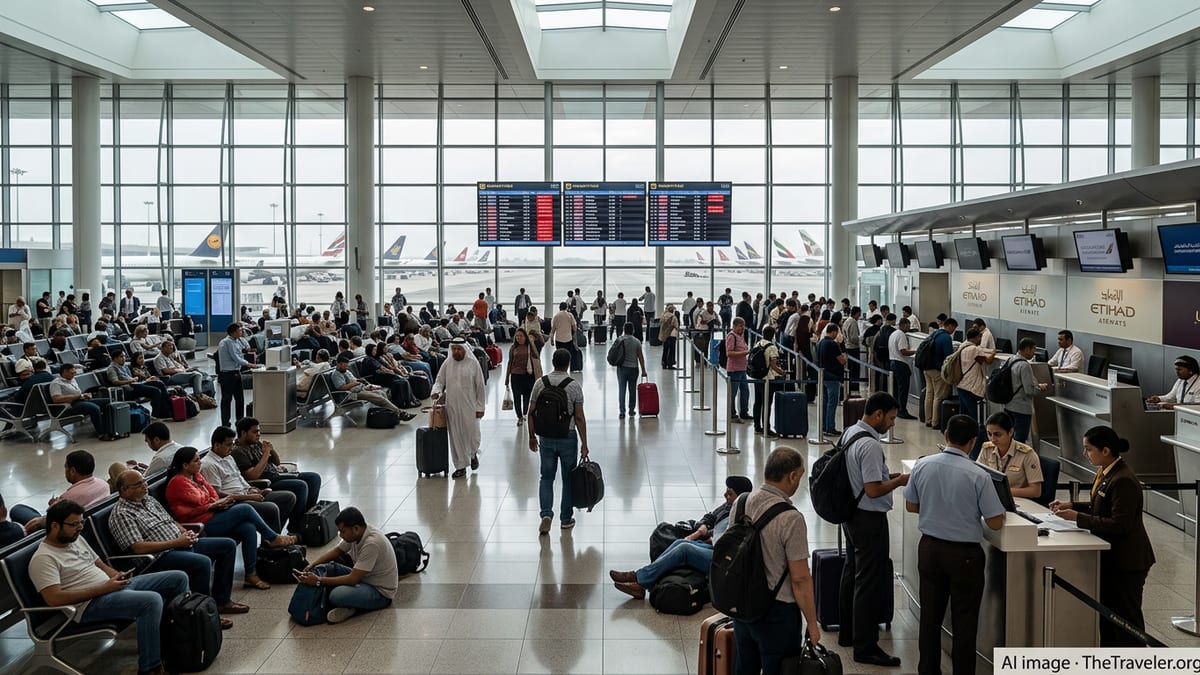
Chain Reaction Across Dubai and Sharjah Hubs
Publicly available scheduling data and regional media coverage indicate that operations at Dubai International and Sharjah International were heavily disrupted as carriers adjusted services in response to both regional security concerns and knock-on operational challenges. While the core of the disruption centered on services linking the UAE with Saudi Arabia, delays quickly spread across wider networks as aircraft and crew were left out of position.
Reports show that 19 flights departing from or arriving into Dubai and Sharjah were cancelled over a short window, with more than 350 additional services experiencing delays ranging from minor schedule slips to multi hour holdups. The disruption was concentrated in economy focused routes operated by low cost and hybrid carriers, but also affected long haul and connecting itineraries on full service airlines.
Data compiled from flight tracking dashboards and airport departure boards suggests that the majority of cancellations involved short haul links into Saudi Arabia and other Gulf Cooperation Council destinations, while the heaviest delays were seen on busy trunk routes that rely on tight turnaround times. As airlines tweaked schedules to recover, some flights were retimed or downgraded, further complicating travel plans for passengers.
Operational notices from airlines describe a situation where services to and from Dubai had not fully returned to normal even before this latest wave of disruption. Reduced schedules introduced earlier in the year, combined with regional tensions, meant there was limited spare capacity to absorb new shocks once cancellations and diversions began to cascade.
Emirates, Air Arabia and flydubai Among Hardest Hit
The disruption significantly affected Emirates, Air Arabia and flydubai, three of the UAE’s most prominent carriers and the backbone of passenger traffic at Dubai International and Sharjah International. These airlines collectively move tens of thousands of travelers through the UAE’s hubs each day, meaning relatively small schedule changes can have outsized effects.
Emirates, which operates a global hub and spoke network from Dubai, has already been running a trimmed schedule across parts of its network following earlier regional instability. Public travel updates show that flights to and from Dubai have yet to fully return to pre disruption levels, and passengers are being advised to monitor flight status closely and expect changes at short notice.
At Sharjah, low cost carrier Air Arabia has expanded services to multiple regional and medium haul destinations, but the latest events have underscored how exposed point to point operations can be to sudden route specific closures. Cancellations on Saudi Arabia services and related delays elsewhere left some aircraft and crews in the wrong place, which can take several rotations to unwind.
Flydubai, Dubai’s budget airline with a substantial presence at Terminal 2 and on regional routes, has also issued regular operational updates in recent weeks, advising travelers to arrive early and use online tools to track their flights. Reduced schedules, diversions and high demand have constrained rebooking options, particularly on peak travel days when many flights are already operating close to capacity.
Regional Security and Weather Among Contributing Factors
While airlines have not attributed every cancellation to a single cause, publicly available information from regional outlets points to a combination of security related airspace restrictions and routine operational pressures. Recent missile attacks on Saudi Arabia’s Abha International Airport prompted the temporary closure of that facility, with several UAE bound flights cancelled or diverted as a result.
When an airport closure unfolds at short notice, airlines typically reroute aircraft to alternative destinations or hold them on the ground until airspace restrictions are lifted. In this case, flights linking Dubai and Sharjah with Abha and other Saudi cities were among the first to be cancelled, removing planned aircraft rotations and crew pairings from the schedule and triggering subsequent delays on unrelated routes.
The disruption has also taken place against a backdrop of a busier than usual travel season, with carriers warning for weeks that peak summer demand would stretch airport and airline infrastructure. High passenger loads leave little buffer for absorbing sudden delays caused by factors such as weather, air traffic control restrictions or additional security procedures.
In similar regional disruptions over recent years, even a small cluster of cancellations has produced knock on impacts far beyond the originally affected routes, particularly when combined with heavy seasonal traffic. The current pattern of delays in the UAE appears to be following a comparable trajectory, as airlines work through backlogs and reposition aircraft to restore normal rotations.
Passengers Face Missed Connections, Long Queues and Limited Options
For travelers, the immediate impact of 19 cancellations and hundreds of delays has been felt in crowded terminals, extended check in and security lines, and the risk of missing onward connections. Social media posts and traveler forums describe passengers sleeping in airport seating areas, queuing for hours at transfer desks and scrambling to rebook itineraries that involve multiple carriers.
Some passengers on connecting journeys through Dubai report that relatively short delays on inbound flights were enough to break carefully timed links to long haul departures, particularly on itineraries involving overnight bank departures to Europe, Asia and North America. In such cases, travelers often face rebooking for the following day, along with the need for meal vouchers, hotel stays or new visa arrangements depending on their nationality and ticket conditions.
Others flying point to point between the UAE and neighboring countries have encountered last minute schedule changes, including aircraft downgrades which reduced the number of available premium seats and required some travelers to move to economy cabins. For those on tightly planned trips, even modest timing shifts can disrupt hotel bookings, ground transport and business meetings.
Consumer advocates commenting in local media note that travel insurance policies vary widely in how they treat disruption linked to regional security events or airport closures, adding another layer of uncertainty. Passengers are being encouraged to check policy wording carefully and retain documentation such as boarding passes, delay notifications and receipts for additional expenses.
What Affected Travelers Can Do Now
With airlines in recovery mode, publicly accessible guidance from Emirates, Air Arabia, flydubai and other carriers stresses the importance of monitoring flight status online or via mobile apps before heading to the airport. Many carriers have introduced or expanded digital tools that allow travelers to check in remotely, receive push notifications about gate changes or delays, and in some cases select alternative flights when disruption occurs.
Airlines generally prioritize rebooking for passengers whose flights have been cancelled outright, offering the option to move to the next available service, adjust travel dates without change fees, or request refunds subject to fare rules. However, the high volume of affected travelers in Dubai and Sharjah means that same day alternatives may be limited, particularly on busy routes or at peak times.
For those yet to depart, travel experts quoted in regional coverage suggest building in additional buffer time for connections through the UAE, especially on itineraries that involve separate tickets or self arranged transfers between airlines. Choosing slightly longer layovers, where possible, can help absorb moderate delays without jeopardizing onward travel.
Travelers already in the region are also being advised to keep contact details up to date in airline booking systems, so that schedule changes and disruption alerts reach them promptly. While the current wave of cancellations and delays is expected to ease as airlines stabilize operations, recent experience in the UAE illustrates how quickly conditions can shift when regional tensions intersect with already stretched aviation networks.