


More news on this day
Royal Caribbean is rapidly expanding its presence across the Asia-Pacific region, rolling out longer itineraries, new homeports and additional ships that aim to redefine how travellers experience destinations from Singapore to Shanghai and Sydney.
Get the latest news straight to your inbox!
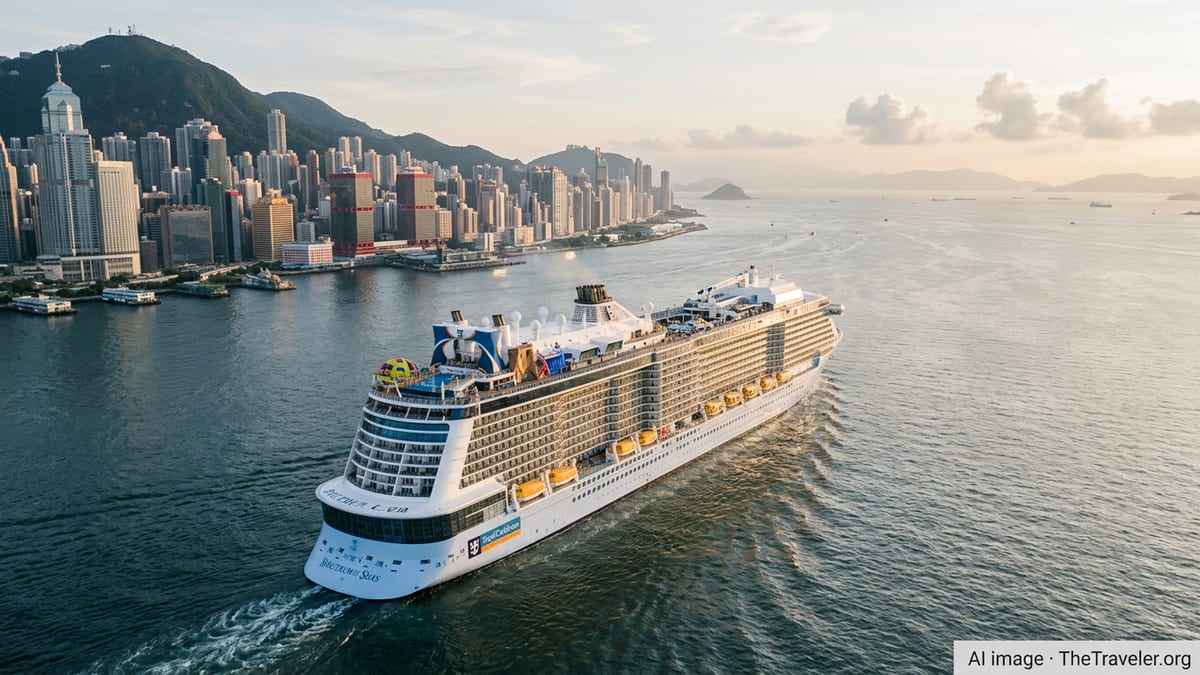
Year-Round Asia-Pacific Deployment Gains Momentum
Royal Caribbean’s latest deployment details show a stronger commitment to the Asia-Pacific market, with itineraries stretching across 2025, 2026 and 2027 from key ports including Singapore, Shanghai and Australian gateways. Publicly available schedules highlight an expanding mix of short getaways and longer regional journeys designed to keep ships based in Asian waters for extended seasons.
From Singapore, Royal Caribbean is promoting a year-round program of Asia sailings, including three, four and five-night voyages that call at regional favourites such as Penang and Phuket, alongside longer “Spice of Southeast Asia” routes. These itineraries are positioned as an accessible entry point for new cruisers while also serving as convenient short breaks for the region’s growing middle class.([royalcaribbean.com](https://www.royalcaribbean.com/sgp/en/cruise-ships/cruise-schedule?msockid=18951ee6df7161ca113209e5dedb6068&utm_source=openai))
In North Asia, China is set to see a busier calendar. Royal Caribbean’s press materials for the 2026–27 season describe an expanded lineup from Shanghai and other Chinese ports, including itineraries that reach Japan’s Okinawa and Kyushu regions. The program reflects a strategy to restore and then grow capacity in a market that was one of cruising’s fastest rising before the pandemic.([royalcaribbeanpresscenter.com](https://www.royalcaribbeanpresscenter.com/download-press-release/1781/?utm_source=openai))
Australia and New Zealand remain an integral part of the Asia-Pacific network. Voyages from Sydney and Brisbane are being tied into South Pacific and repositioning cruises that connect with Asian ports, adding variety for travellers seeking longer, multi-country itineraries aboard Royal Caribbean’s larger ships.([royalcaribbean.com](https://www.royalcaribbean.com/content/dam/royal/resources/pdf/casino/offers/2402A01.pdf?utm_source=openai))
Longer Itineraries Designed for “Unforgettable” Regional Journeys
While short cruises continue to dominate the Asian source market, Royal Caribbean’s newer offerings increasingly emphasise longer voyages that package multiple cultures and coastlines into a single trip. Cruise schedules from Singapore and China show more sailings in the five to eight-night range, with some itineraries combining Southeast Asia with longer Japan or Korea routes.([royalcaribbean.com](https://www.royalcaribbean.com/sgp/en/cruise-ships/cruise-schedule?msockid=18951ee6df7161ca113209e5dedb6068&utm_source=openai))
This shift aligns with broader industry data. Cruise Lines International Association’s Asia market reporting notes that the region has historically favoured short breaks, with average cruise durations around four days. By introducing more week-long and extended itineraries on modern ships, Royal Caribbean is tapping into a segment of travellers now looking for deeper regional immersion rather than purely weekend escapes.([cruising.org](https://cruising.org/sites/default/files/2025-06/CLIA%20005%20Overview%20Asia%20-%20Region%20Plus%20Top%2010%20w%20Covers.pdf?utm_source=openai))
Itineraries marketed from Singapore, for example, highlight combinations of Malaysia, Thailand and Vietnam, often framed as a convenient way to experience multiple countries without repeated flights or hotel changes. Similarly, schedules from Shanghai feature voyages that string together Japanese ports such as Fukuoka, Nagasaki and Okinawa, positioning the ship itself as a moving base for cultural discovery.([royalcaribbean.com](https://www.royalcaribbean.com/sgp/en/cruise-ships/cruise-schedule?msockid=18951ee6df7161ca113209e5dedb6068&utm_source=openai))
Repositioning cruises between Asia and Australia or Alaska add another layer of choice. These longer sailings appeal to experienced cruisers and international travellers who see the voyage as a key part of the holiday, combining sea days with less-visited ports across the Pacific arc.
Economic Tailwinds From a Rebounding Regional Cruise Market
Royal Caribbean’s expanded deployment arrives as the wider Asia-Pacific cruise sector experiences a renewed upswing. The latest State of the Cruise Industry reporting from Cruise Lines International Association points to global passenger growth surpassing pre-pandemic levels, with Asia identified as a region of significant future potential as capacity returns.([cruising.org](https://cruising.org/resources/state-cruise-industry-report-2024?utm_source=openai))
Specific to Southeast Asia, a joint study commissioned by CLIA and the Singapore Tourism Board found that cruise tourism generated around 10 billion US dollars in total economic output in 2024. The same research indicates that Singapore and Malaysia together accounted for about 70 percent of passenger visits in the region, underscoring the strategic importance of these hubs for cruise lines expanding their itineraries.([cruising.org](https://cruising.org/resources/economic-contribution-cruise-tourism-southeast-asia-2024?utm_source=openai))
Royal Caribbean’s year-round operations from Singapore and its increased calls at Malaysian ports align closely with these trends. As more ships homeport or visit in the region, ports, tour operators and hospitality businesses stand to benefit from higher passenger volumes and longer seasonal deployments.
In North Asia, the return of large-ship cruising to China and the revival of Japan itineraries are expected to contribute to port revenues and tourism recovery. Published analyses of the cruise sector suggest that homeporting generates particularly strong local impacts, as passengers typically spend on hotels, dining and shopping before and after their voyage.([cruising.org](https://cruising.org/resources/state-cruise-industry-report-2024?utm_source=openai))
New Ships, Experiences and Source Markets
Royal Caribbean’s growth in the Asia-Pacific region is also driven by hardware and product choices. Company schedules highlight the deployment of newer or recently “amped up” ships on Asian routes, bringing features such as multi-deck entertainment complexes, high-tech attractions and family-focused amenities that are designed to appeal to multi-generational travel parties.([royalcaribbean.com](https://www.royalcaribbean.com/sgp/en/cruise-ships/cruise-schedule?msockid=18951ee6df7161ca113209e5dedb6068&utm_source=openai))
Itinerary planners are increasingly tailoring voyages to emerging source markets in India, Southeast Asia and North Asia. CLIA data show that Asian cruise passengers often travel in family groups and value short, convenient itineraries, but there is a rising cohort seeking premium experiences and longer trips. Royal Caribbean’s mix of three to five-night sailings and longer regional journeys appears targeted at both ends of this spectrum.([cruising.org](https://cruising.org/sites/default/files/2025-06/CLIA%20005%20Overview%20Asia%20-%20Region%20Plus%20Top%2010%20w%20Covers.pdf?utm_source=openai))
Shipboard offerings marketed in the region emphasise international dining, cutting-edge entertainment and activities that can be enjoyed regardless of language, from skydiving simulators to observation pods. This approach positions the ship as a destination in itself, while still foregrounding marquee ports such as Singapore, Bangkok (via Laem Chabang), Hong Kong and key Japanese cities.([royalcaribbean.com](https://www.royalcaribbean.com/singapore-cruises?msockid=27de53f2603f69b525dc4552619068c7&utm_source=openai))
By combining modern hardware with regionally focused itineraries, Royal Caribbean is seeking to capture both first-time cruisers and repeat guests who now view cruising as a primary way to explore the Asia-Pacific.
What Expanded Voyages Mean for Future Asia-Pacific Travel
The scale of Royal Caribbean’s planned deployments suggests that cruising will play a larger role in how travellers experience the Asia-Pacific over the next several years. With more homeports, longer seasons and diversified itineraries, travellers based in the region gain additional options for short breaks and multi-country holidays, while long-haul visitors can use cruises to efficiently cover more ground.
Travel industry commentary indicates that as capacity increases, competition among cruise lines in Asia is likely to intensify, encouraging continued investment in new ships, upgraded onboard experiences and creative itineraries. For travellers, this may translate into a wider range of price points and more frequent sailings to both headline destinations and emerging ports.([cruising.org](https://cruising.org/resources/state-cruise-industry-report-2024?utm_source=openai))
For ports and tourism boards, the expansion of programs such as Royal Caribbean’s offers opportunities to anchor broader destination strategies around cruise calls, from shore-excursion development to infrastructure upgrades. As the Asia-Pacific cruise market matures, the current wave of longer and more varied voyages signals a shift from purely coastal sampling trips to more immersive, unforgettable journeys by sea.
Royal Caribbean Asia-Pacific Cruise Schedule