


More news on this day
Scotland’s airports have reported their busiest spring on record, with passenger figures across key hubs such as Edinburgh and Glasgow climbing around four percent as budget airlines add routes, restore capacity and tap strong demand for affordable European city breaks and sunshine getaways.
Get the latest news straight to your inbox!
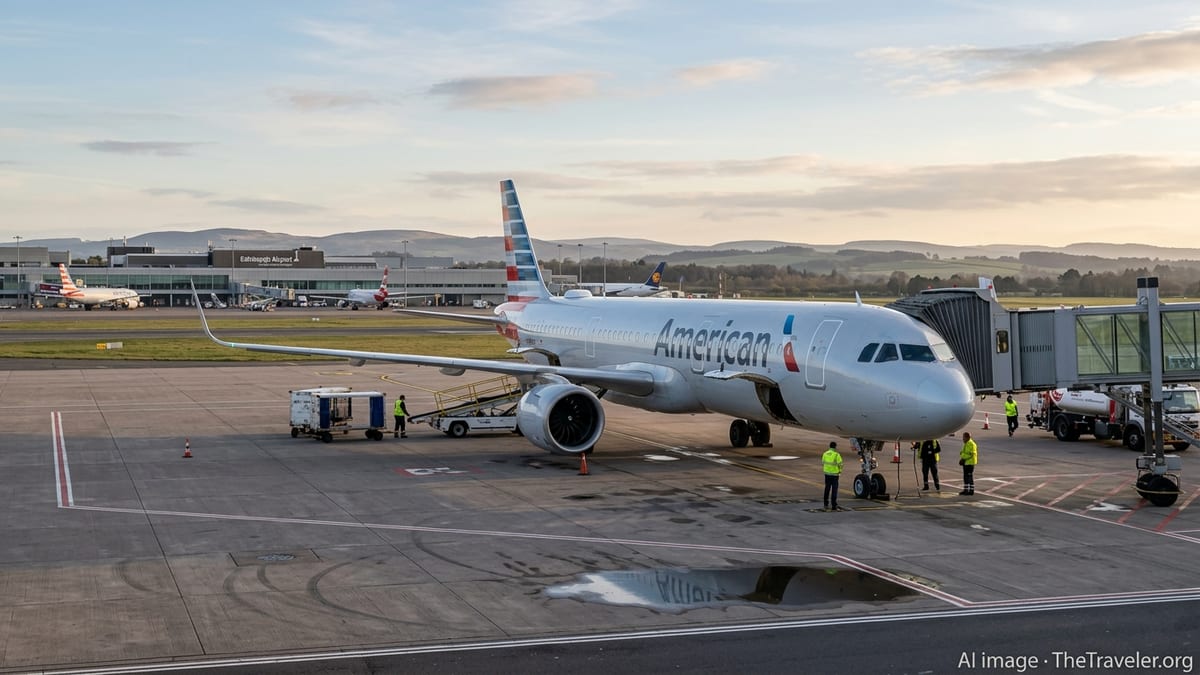
Record-Breaking Season for Scotland’s Busiest Hubs
Recent data from Transport Scotland and the UK Civil Aviation Authority indicates that Scotland’s leading airports are consolidating a strong post-pandemic recovery, with spring traffic setting new highs. Edinburgh Airport handled 15.8 million passengers in 2024, up around 10 percent on the previous year, while Glasgow Airport reached just over 8 million passengers, placing both airports firmly among the UK’s busiest outside London.
While annual statistics capture the headline growth, provisional CAA and airport reports for the early months of 2025 point to a fresh step-change during the spring period. Combined seasonal traffic at Scotland’s major airports is estimated to have risen by about four percent year-on-year, reflecting both returning business travel and a particularly sharp rebound in leisure demand.
Edinburgh remains Scotland’s main international gateway, serving more than 150 destinations and accounting for the majority of the country’s air passenger traffic. However, growth is not limited to the capital. Glasgow is narrowing the gap after a slower initial recovery, with 2024 passenger numbers almost back to pre‑pandemic levels and spring 2025 volumes nudging ahead of the comparable 2019 period according to published aviation data.
The record spring follows a broader upward trend that saw Scottish air travel surpass many pre‑Covid benchmarks in 2024. Transport Scotland’s latest statistical review highlights double‑digit annual passenger growth at both Edinburgh and Glasgow, underpinned by resurgent European tourism and an expanding network of short‑haul routes.
Low-Cost Carriers Drive Capacity and Connectivity
The latest surge is closely linked to capacity decisions by Europe’s largest budget airlines. Public data on route networks and base sizes shows that easyJet, Ryanair and Jet2 now account for a substantial share of seats at Scotland’s central belt airports, with easyJet alone operating dozens of routes from both Edinburgh and Glasgow.
easyJet’s corporate updates highlight growing activity in Scotland as part of a wider regional expansion strategy, while route information compiled for 2024 and 2025 shows the carrier serving more than 40 destinations from Edinburgh and around 30 from Glasgow. Ryanair and Jet2 have also increased their footprint, particularly on Mediterranean leisure routes and major European city pairs popular with Scottish travellers.
At Glasgow Airport, statistics collated by independent route and traffic trackers show a near five percent year-on-year rise in passengers in April 2025, with just under 670,000 travellers passing through the terminal in that month alone. Analysts attribute much of that incremental growth to additional frequencies and restored seasonal services by low-cost operators targeting Spain, Portugal, Italy and eastern Mediterranean beach destinations.
Industry reports further indicate that the mix of traffic at Scotland’s airports is tilting more heavily towards European markets than in the immediate aftermath of the pandemic. Transport Scotland’s longer-term figures already showed almost half of pre‑2020 terminal passengers travelling to or from mainland Europe, and the latest schedules suggest that proportion is climbing as carriers prioritise sun routes and short breaks over domestic capacity.
Leisure Demand and Events Fuel Spring Peak
Several overlapping factors are helping to explain why spring has become such a strong period for Scottish airports. Tourism agencies and airport market overviews point to sustained inbound demand for city visits to Edinburgh and Glasgow, as well as growing interest in touring the Highlands and islands at the start of the summer season.
Edinburgh’s tourism economy in particular has benefited from rising international visitor numbers, with recent investment and hospitality reports highlighting higher hotel occupancy and revenue per room throughout 2024 compared with the previous year. Edinburgh Airport’s corporate updates describe 2024 as a record year for passenger throughput and connectivity, underlining the attraction of the city as both a standalone destination and a gateway for wider Scottish itineraries.
Major events have reinforced that trend. In 2024, increased flights to Germany coincided with Scotland’s participation at UEFA Euro 2024, providing an additional boost to outbound traffic from both Edinburgh and Glasgow. Schedules for spring and early summer 2025 suggest that airlines are continuing to capitalise on event-led demand, with extra capacity placed around sporting fixtures, festivals and cruise departures.
At the same time, consumer preference for budget-friendly travel options remains strong amid cost-of-living pressures. Publicly available airline reports show that low-cost carriers have been quicker than many legacy competitors to rebuild and expand short-haul networks from Scotland, offering competitive fares that encourage additional discretionary trips in the shoulder seasons of spring and autumn.
Wider UK Context and Competitive Pressures
The Scottish performance sits within a broader picture of robust growth at regional airports across the UK. UK-wide statistics from the Civil Aviation Authority for 2024 show rising passenger numbers at most major airports, although Scotland’s two primary gateways stand out for the pace at which they have surpassed or come close to their pre‑pandemic highs.
Edinburgh ranks as the sixth-busiest airport in the UK by passenger volume, while Glasgow occupies a place in the national top ten, handling just over 8 million passengers in 2024 according to collated CAA data. These positions underline the strategic importance of Scotland’s air links, particularly given the country’s distance from many key European and transatlantic markets.
However, competitive pressures remain intense. Market assessments of the Scottish aviation sector note that Edinburgh has been more successful than Glasgow in attracting new long-haul connections and higher-frequency European services in recent years. Glasgow’s slower early recovery from the pandemic is linked in part to the restructuring of bases by major low-cost carriers in the late 2010s, which shifted some capacity eastwards.
Recent growth figures suggest that Glasgow is now rebuilding that traffic, but industry observers caution that Scottish airports must continue to differentiate themselves in terms of route mix, service quality and onward connectivity. The rapid expansion of low-cost airlines offers clear volume benefits, but it also raises questions about resilience if carriers redeploy aircraft in response to changing market conditions.
Outlook: Capacity Plans and Sustainability Questions
Looking ahead, the trajectory for Scotland’s airports will depend on how airlines balance further growth with evolving regulatory, environmental and economic constraints. easyJet’s latest annual report outlines plans to increase capacity across its UK regional bases by the late 2020s, while other low-cost carriers are also committed to fleet expansion that could feed additional services into Scottish markets.
Airport masterplans and government transport strategies emphasise the need to align that growth with net-zero targets. Edinburgh and Glasgow have both invested in terminal upgrades, public transport links and on-site energy projects, and Scottish policy documents stress the importance of shifting more surface access journeys from private cars to rail, tram and bus networks.
A key question for policymakers is how to reconcile record-breaking passenger numbers with commitments to reduce aviation emissions. Industry data show that airlines have improved fuel efficiency per passenger over recent decades, yet absolute emissions may still rise if traffic keeps growing. This tension is likely to shape future debates about infrastructure investment, slot allocation and the pace of emerging technologies such as sustainable aviation fuel.
For now, the latest spring data underline that Scotland’s appetite for travel remains strong and that budget airlines are at the heart of the story. With new routes, higher frequencies and growing international interest in Scottish destinations, airports across the country appear set for another busy peak season, even as they grapple with the challenges of sustainable growth.
Transport Scotland: Scottish Transport Statistics, Air Transport
UK Civil Aviation Authority: UK Airport Data 2024