


More news on this day
Royal Caribbean is dangling a free future cruise and other incentives to guests on an overbooked Alaska sailing, using generous compensation to persuade volunteers to change their plans as demand for the popular route strains capacity.
Get the latest news straight to your inbox!
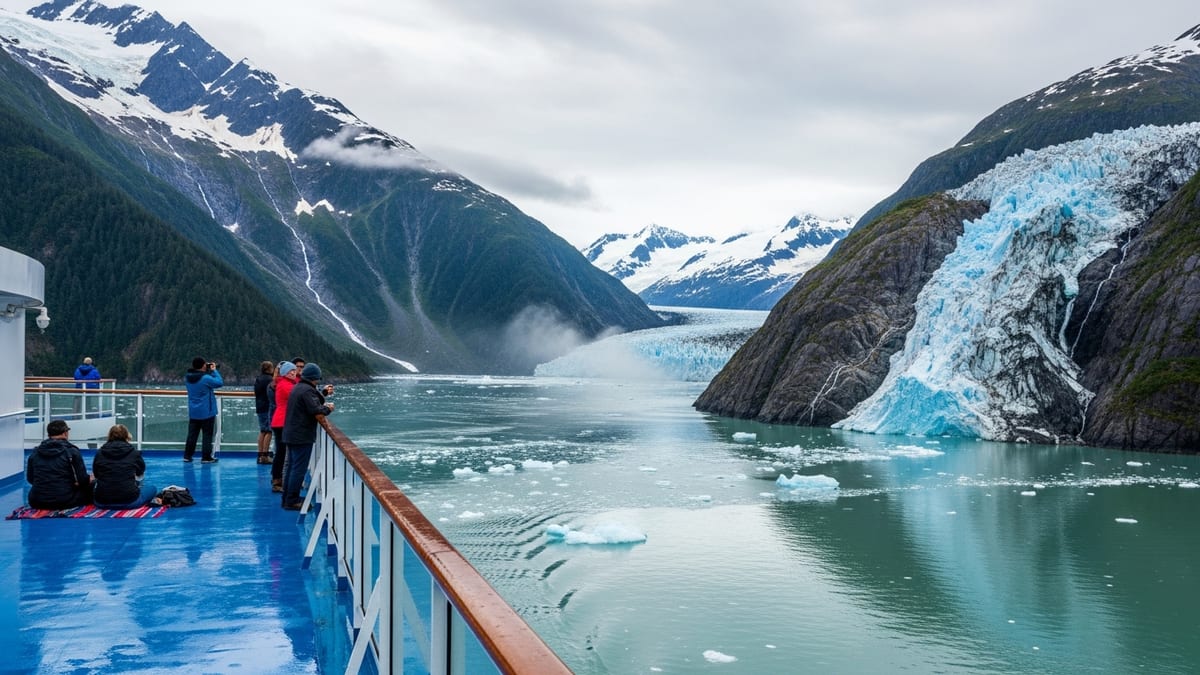
Unusual Offer on a High-Demand Alaska Sailing
Reports circulating among cruise travelers indicate that Royal Caribbean has reached out to selected guests booked on an upcoming Alaska itinerary, warning that the voyage is oversold and inviting volunteers to move to alternative sailings. In exchange, the line is offering what amounts to a free future cruise, alongside refunds and onboard spending credits designed to soften the disruption.
According to published coverage and passenger accounts, eligible guests were told they could receive a full refund of their original fare and apply generous credits toward another Royal Caribbean trip, effectively securing a no-cost replacement sailing. In some cases, the compensation package includes both immediate cash-back elements and a future cruise credit that can be redeemed within a defined window.
The move mirrors a pattern seen on other oversold departures in recent years, where Royal Caribbean has used substantial incentives to avoid involuntary cancellations. Alaska voyages, which operate in a short May-to-September window and draw consistently strong demand, appear to be especially prone to tight capacity and last-minute inventory adjustments.
How Cruise Overbooking Works
Overbooking is more commonly associated with airlines, but cruise lines also manage capacity by anticipating a certain level of last-minute cancellations and no-shows. Industry-focused reports describe how Royal Caribbean monitors bookings in the weeks before departure and, when projected occupancy runs higher than expected, may quietly solicit volunteers with “flexible travel arrangements” to switch sailings.
Publicly available commentary from cruise analysts notes that the company typically avoids calling these situations “oversold” or “overbooked,” instead framing them as opportunities for guests willing to adjust their plans. The underlying objective is the same: free up a small number of cabins without resorting to involuntary removals that could trigger complaints and reputational damage.
On previous voyages where demand overshot capacity, Royal Caribbean has experimented with tiered offers that range from partial refunds and onboard credit to complimentary cruises on different dates or routes. The Alaska situation fits this broader pattern, with the line again turning to generous packages to recalibrate the ship’s manifest before embarkation day.
Details of the Free Cruise Compensation
The latest Alaska offer centers on a combination of refund, rebooking flexibility, and future cruise value. Reports indicate that guests who volunteer to step aside can receive a full refund of the affected voyage, plus a future cruise opportunity that, once credits and discounts are applied, amounts to sailing at no additional fare cost on a later itinerary.
In some past oversold cases, Royal Caribbean has structured similar deals as a full fare refund paired with a substantial future cruise credit, effectively letting travelers book a comparable-length voyage without paying a new base fare. For the Alaska sailing in question, observers say the line is again prioritizing itineraries outside peak dates and premium categories, steering compensation cruises toward shoulder-season or less heavily booked departures.
Onboard credit, another common component in these offers, can sweeten the arrangement further by covering specialty dining, shore excursions, or drinks packages on the replacement trip. While the exact figures vary by sailing and stateroom type, the Alaska overbooking package is being characterized within cruise forums and specialist blogs as one of the more attractive deals currently on offer to flexible travelers.
Why Alaska Cruises Are Especially Vulnerable
Alaska has long been one of the most capacity-constrained regions in mainstream cruising. The season is short, port infrastructure is limited, and itineraries are highly concentrated around a handful of marquee destinations such as Juneau, Skagway, and popular glacier viewing areas. As a result, even small shifts in demand can push ships to their practical limits.
Recent seasons have seen strong interest in Alaska across major brands, and Royal Caribbean has already opened bookings through 2026 for a slate of voyages marketed around glacier viewing, wildlife, and wilderness-focused shore tours. Travel industry reports suggest that some sailings fill quickly, particularly those that align with school holidays and peak summer weather, leaving operators with little flexibility if cancellation rates drop below historical norms.
The overbooking pressure is amplified by group bookings, promotional campaigns, and package deals that may not cancel at the same rates as individual reservations. When those expected cancellations fail to materialize, cruise lines face the choice of sailing over capacity or persuading some guests to accept incentives and move to different dates. The Alaska scenario now drawing attention appears to be a textbook example of that balancing act.
What Affected Travelers Should Consider
For guests who receive an overbooking notice with a free-cruise style offer, the value depends greatly on personal circumstances. Travel advisers note that those with flexible vacation dates, refundable airfare, and no complicated pre- or post-cruise plans are best positioned to take advantage of such deals. The chance to turn one paid cruise into what amounts to a complimentary sailing can be compelling if schedules are easy to adjust.
Travelers juggling fixed-time commitments, nonrefundable flights, or milestone celebrations may view the trade-off differently. While some compensation packages have reimbursed certain third-party costs in previous oversold cases, the specifics are not guaranteed and can vary by sailing and region. Reading the fine print, including expiration dates on future cruise credits and limits on eligible itineraries, is essential before agreeing to cancel or shift dates.
Analysts say Royal Caribbean’s Alaska offer underscores two simultaneous trends: surging interest in bucket-list destinations and cruise lines’ willingness to use aggressive incentives to manage capacity quietly. For travelers who happen to be on an overbooked voyage and can pivot their plans, that tension can translate into a surprisingly generous path to a future free cruise.