


More news on this day
A Norfolk Southern freight train derailed in rural Oconee County, South Carolina, on Saturday morning, triggering a substantial response from local fire departments, rescue squads, law enforcement and railroad personnel to the remote Upstate site.
Get the latest news straight to your inbox!
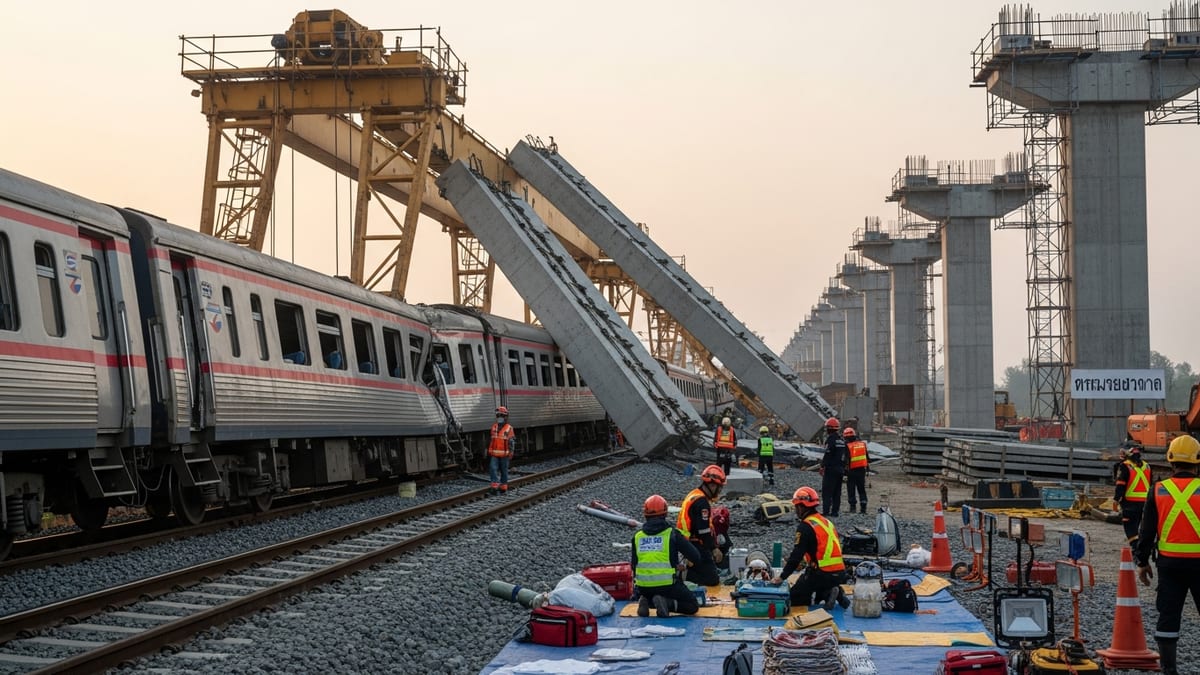
Large Emergency Response in Rural Upstate Location
Published coverage indicates the derailment occurred in a sparsely populated area of Oconee County, part of South Carolina’s mountainous Upstate region. The incident involved a Norfolk Southern train that left the tracks near a rural rail corridor, drawing attention in a county already familiar with heavy freight traffic along its river valleys and foothills.
Initial reports describe a significant deployment of regional resources to the scene. Responders from Cleveland Rural Fire Department were among the first to mobilize, joined by Holly Springs Fire Department, Westminster Fire Department and Oconee Emergency Services. Rescue squads from Westminster and Mountain Rest also converged on the location, alongside Prisma EMS units and personnel associated with Norfolk Southern Railroad.
Publicly available information shows that the Oconee County Sheriff’s Office assisted in managing access to the scene and coordinating with other public safety agencies. The scale of the turnout reflects standard practice in the region, where rail incidents in remote areas can require additional manpower, water supply support and specialized equipment to safely manage operations.
Early accounts did not highlight any widespread community impacts, suggesting that the site’s distance from dense residential neighborhoods limited immediate risks to nearby homes and businesses. Nonetheless, the concentration of responders underscored concern about potential hazards that can accompany modern freight operations.
Extent of Damage and Early Safety Information
According to regional broadcast coverage, several railcars left the tracks, though detailed counts and precise damage assessments were not immediately available. Images and video shared through local media channels showed emergency vehicles staged along narrow rural roads near the rail line, with responders accessing the tracks on foot and by utility vehicles.
At the time of early reporting, there were no widely circulated accounts of serious injuries connected to the derailment. Information released through news outlets focused primarily on the logistics of the response, the roster of agencies on scene and the railroad’s presence at the site, rather than on medical outcomes.
Public sources did not describe any large hazardous materials release, shelter-in-place orders or evacuations in nearby communities. That absence of precautionary community alerts suggests the cargo and derailment dynamics did not immediately trigger the type of extended environmental or public health concerns seen in some recent rail crashes elsewhere in the United States.
Rail traffic along the affected segment of track was expected to be disrupted while crews assessed damage and worked to clear and repair the line. In similar derailments across the region, freight companies typically stage heavy equipment to re-rail cars, remove damaged rolling stock and restore the roadbed before full operations resume.
Coordinated Response Highlights Local Preparedness
The clustering of fire departments, rescue squads and medical providers at the scene illustrates how Oconee County and neighboring districts plan for low-frequency but high-impact transportation incidents. Rural rail corridors can be difficult to reach, with limited roadway access and challenging terrain. Bringing in multiple volunteer and career agencies allows incident commanders to rotate personnel, manage scene safety and support operations over potentially long periods.
Reports indicate that Cleveland Rural Fire Department, Holly Springs Fire Department and Westminster Fire Department worked alongside Oconee Emergency Services under a unified incident structure. That kind of coordination is consistent with established emergency management practices in South Carolina, where mutual aid agreements enable departments to cross boundaries quickly when serious incidents arise.
Rescue squads from Westminster and Mountain Rest added technical capabilities for patient assessment, search and removal in difficult terrain. Prisma EMS units provided medical support and transport capacity in case any injuries were discovered among train crew members or responders during the operation.
Norfolk Southern Railroad personnel typically manage track repair, equipment recovery and internal investigations in these situations. The company’s presence at the Oconee County derailment, as reflected in media accounts, points to a parallel process in which railroad specialists handle rail-specific risks while public agencies focus on life safety and community protection.
Community Impact and Transportation Disruptions
Because the derailment occurred in a relatively remote portion of the county, early reporting did not highlight major road closures or impacts to residential areas. Access roads near the tracks were used for staging emergency vehicles, but traffic congestion appears to have been limited compared with incidents that occur closer to towns, schools or major highways.
Freight rail disruptions can still ripple through the region, affecting schedules for other trains and potentially influencing industrial supply chains that rely on timely deliveries. When derailments happen on key corridors, freight carriers may reroute trains, adjust dispatching patterns or temporarily hold traffic while the line is inspected and restored.
In Oconee County, rail lines run through a mix of forested land, river valleys and small communities. Residents and visitors in the area may notice increased railroad activity in the aftermath of such events as maintenance teams conduct inspections, move heavy equipment and verify that track and signaling systems are functioning properly before full traffic resumes.
Local media in the Upstate often track these follow-on impacts, providing updates on rail service restoration and any lasting restrictions around the site. For travelers, especially those using nearby rural highways or planning outdoor recreation close to rail corridors, such updates can offer useful guidance on short-term detours or temporary access limitations.
Rail Safety Concerns in a Year of High-Profile Derailments
The Oconee County derailment comes amid heightened public attention to rail safety, as a series of freight and passenger incidents have been reported across the United States in recent months. Regional and national coverage has highlighted derailments involving hazardous materials, infrastructure issues and severe weather, prompting renewed scrutiny of inspection practices, equipment standards and emergency preparedness.
Publicly available information from transportation and safety agencies emphasizes the importance of coordinated planning in communities situated along busy rail corridors. Exercises, training sessions and mutual aid agreements help ensure that when an incident occurs, departments can communicate effectively, share resources and respond quickly even in remote environments such as the foothills of Oconee County.
While the Oconee derailment appears, based on early reporting, to have avoided the worst-case scenarios sometimes associated with large freight crashes, it reinforces ongoing debates about how to balance the economic benefits of heavy rail traffic with the need to protect rural communities, sensitive waterways and popular outdoor destinations in the Upstate.
Further updates from regional news outlets and publicly released railroad information are expected to shed more light on the specific causes of the derailment, the extent of infrastructure damage and any additional safety measures that may follow. For now, the incident stands as another reminder of the complex network of responders and systems activated whenever trains leave the tracks in South Carolina’s rail-served counties.