


More news on this day
Russia is promising to keep domestic air travel operating despite a sharp new warning from Ukrainian President Volodymyr Zelensky, who urged airlines and insurers to treat the country’s airspace as increasingly unsafe because of expanding long-range drone strikes.
Get the latest news straight to your inbox!
Moscow Seeks to Reassure Travelers After Zelensky Warning
Publicly available information shows that Russia’s transport ministry has moved quickly to project confidence in its civil aviation system after Zelensky’s televised address on 1 September 2026, in which the Ukrainian leader said Russian skies were becoming dangerous and would “effectively be closing” as drone operations expanded over the country. His comments were framed as a warning to airlines, insurers and governments that still permit flights through or to Russia, even as many Western carriers stopped using Russian routes earlier in the war.
Following those remarks, Transport Minister Andrei Nikitin was cited in Russian and international coverage as stating that aviation agencies are continuously tightening flight safety and airport security requirements. Reports indicate that officials present this as evidence that scheduled services within Russia can continue to operate despite the heightened threat environment. The message is aimed at passengers, domestic carriers and the limited number of foreign airlines that still fly to Russian destinations or route over the country.
Statements from transport officials emphasize that Russia’s civil aviation network, which stretches from European Russia to the Far East, has remained largely functional throughout earlier waves of missile and drone attacks. Authorities have previously resorted to temporary airport closures and rerouting of flights during major strikes, but long-lasting shutdowns of domestic routes have so far been avoided, according to published coverage.
Ukraine Escalates Warnings Over Safety of Russian Skies
Zelensky’s latest comments are part of a broader Ukrainian effort to highlight the risks surrounding Russian airspace as drone strikes reach further into Russian territory. In his evening address and on social media, he urged every airline using Russian routes, every insurer and all users of key Russian airports to recognize that “Russian skies are becoming completely unsafe,” arguing that the scale of Ukrainian drone operations means risks to civil aviation can no longer be ignored.
Ukrainian officials have also taken steps through international channels. According to European media reports, Foreign Minister Andrii Sybiha has formally notified the International Civil Aviation Organization that Russian airspace is unsafe for civilian traffic due to increased military activity. Kyiv maintains that it does not target civilian aircraft, but contends that the intensity of drone and air defense activity over Russia creates an environment that commercial carriers should avoid.
These warnings come against the backdrop of previous aviation disasters in conflict zones, which have made airlines and regulators more cautious about routing flights over active war theatres. Analysts note that even without binding bans, risk assessments by insurers and airline safety teams can prompt rapid shifts in routing decisions, as seen when many carriers stopped using Ukrainian airspace after Russia’s full-scale invasion in 2022.
Flight Cancellations and Route Changes Add to Traveler Uncertainty
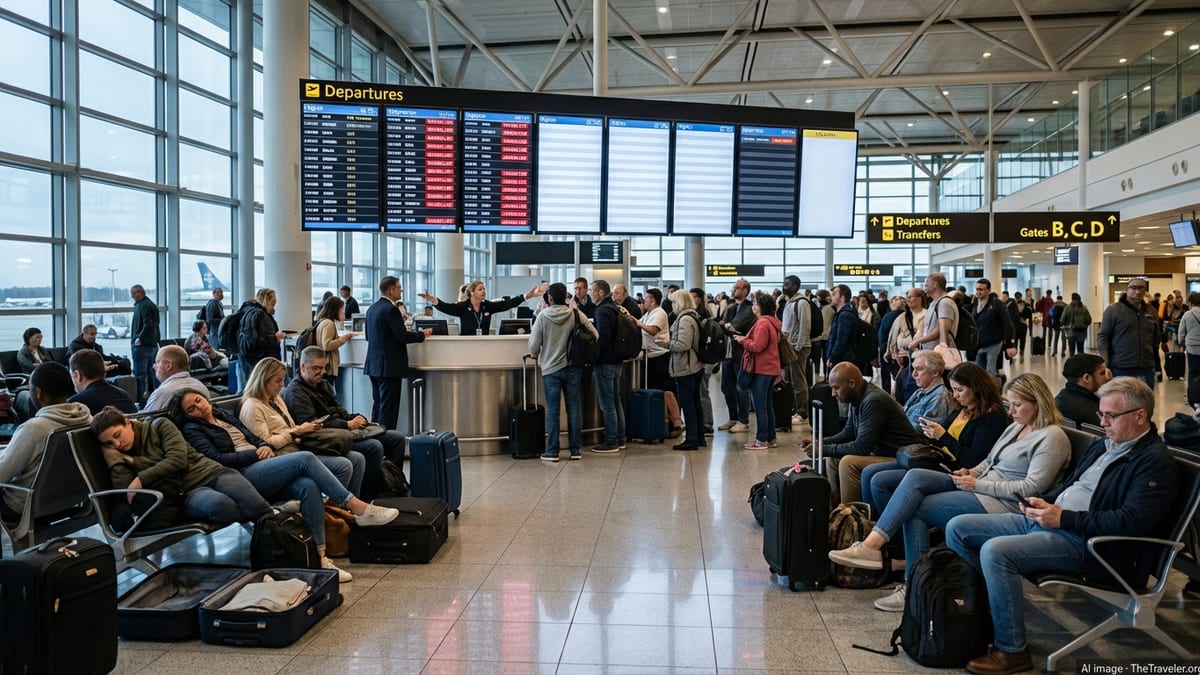
While Russia insists its air transport system continues to function “according to plan,” recent airport and flight data point to growing turbulence for travelers. Coverage citing figures from flight tracking platforms shows dozens of delays and cancellations at major Moscow hubs such as Sheremetyevo and Vnukovo around the time of Zelensky’s warning, although not all disruptions can be directly linked to security concerns.
Some foreign carriers have already adjusted operations. European outlets report that Turkish low cost airline Pegasus has cancelled a series of services to and from Moscow’s Vnukovo Airport, officially describing the changes as driven by technical and operational factors. Gulf carrier flydubai has stated that it is closely monitoring the situation and adjusting schedules and routings where necessary, reflecting the heightened sensitivity among airlines that still serve the Russian market.
For passengers, these moves translate into a more unpredictable travel environment, particularly on itineraries involving Russia or routes that traditionally crossed its vast airspace. Travel industry commentary suggests that travelers should watch for last minute timetable changes, extended flight times as aircraft deviate around Russian territory, and the possibility that some carriers could suspend services altogether if insurance or regulatory pressures intensify.
Implications for Airlines, Insurers and Global Routing
The latest exchanges between Kyiv and Moscow highlight how the airspace over Russia has become a key battleground for risk management in global aviation. Many European, North American and some Asian airlines halted flights to, from or over Russia after 2022, rerouting long haul services at considerable cost. However, several carriers from countries that maintain economic ties with Moscow continue to use Russian corridors, attracted by shorter great circle routes between parts of Asia, the Middle East and Europe.
Analysts note that Zelensky’s warning places additional pressure on these operators and their insurers, who must weigh the financial benefits of using Russian airspace against the heightened risk of drone activity and potential air defense responses. Higher insurance premiums, possible restrictions from national regulators, and reputational concerns could all factor into decisions on whether to maintain or abandon these routes in the coming weeks.
For Russia, maintaining a normal schedule of domestic flights is both an economic and symbolic priority. The country’s vast geography makes air travel essential for connecting remote regions, and disruptions tend to ripple quickly through local economies. By emphasizing that security measures are being reinforced and that there are “solutions” for emerging threats, Russian transport officials appear intent on signaling that travelers inside the country can continue to rely on aviation, even as uncertainty deepens for international flights crossing its skies.
What Travelers Should Watch in the Coming Weeks
Travel specialists tracking the situation say that prospective passengers with itineraries involving Russia or overflight of Russian territory will need to pay close attention to airline communications and booking platforms. Even in the absence of formal airspace closures, carriers may adjust routes on relatively short notice as they revisit risk assessments, respond to regulatory advisories or face changing insurance conditions.
Passengers are also being encouraged by industry observers to check whether their tickets allow for free date or routing changes in the event of airspace related disruptions. Given that many affected flights are long haul services, deviations around Russian airspace could add significant flight time and operational cost, developments that might prompt airlines to consolidate frequencies or suspend marginal routes.
For now, publicly available data shows that Russian domestic aviation continues to operate, and that a number of foreign carriers still overfly the country. However, with Ukraine signaling an intention to expand strikes on targets linked to Russia’s war effort, and with Moscow underscoring its determination to shield domestic flights, the balance between commercial necessity and safety risk is likely to remain under intense scrutiny across the global travel sector.
Russia says it will not let Ukraine disrupt air travel after Zelensky warning – The Moscow Times
Ukraine formally warns airlines that Russian airspace is unsafe – Euronews
Moscow vows to avoid airspace disruption despite Zelensky aviation warning – Economic Times
Ukraine drone campaign raises concern over Russian airspace safety – AP News