


More news on this day
The United Kingdom has tightened its guidance on non-essential travel to Saudi Arabia following a series of missile and drone attacks on major airports, prompting widespread disruption to winter travel plans, business visits and religious trips from the UK.
Get the latest news straight to your inbox!
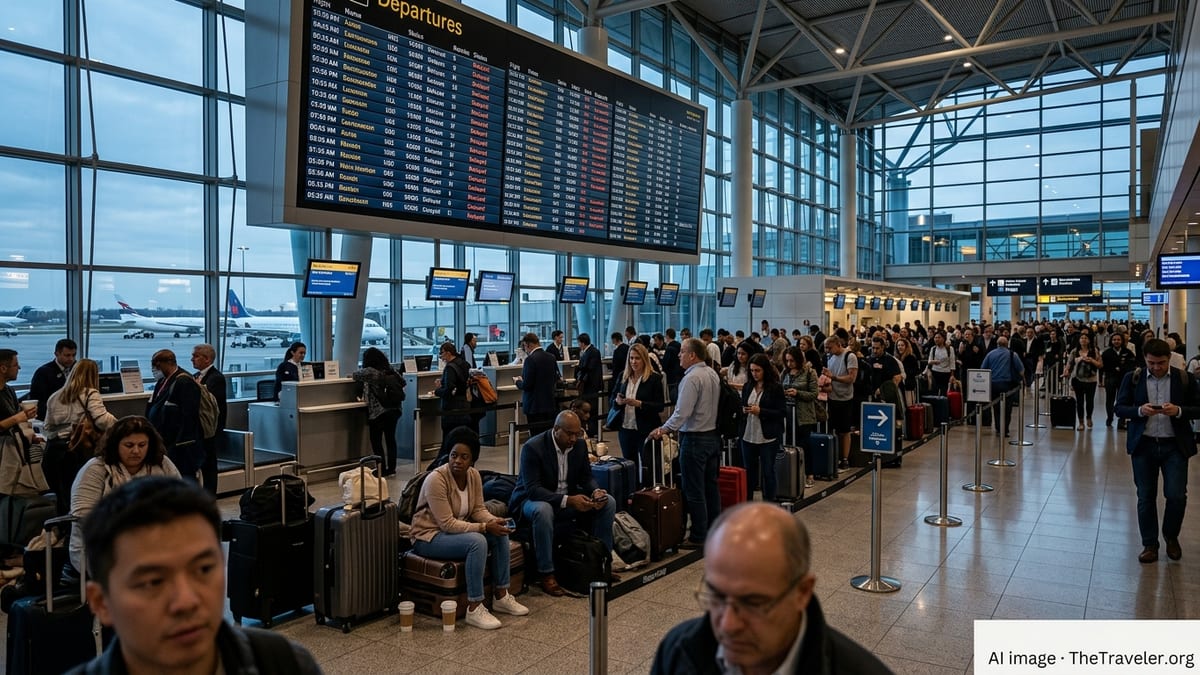
Expanded UK Warning Follows Airport Attacks
Updated UK Foreign, Commonwealth and Development Office (FCDO) travel advice now effectively discourages non-essential trips across Saudi Arabia after a wave of attacks on key airports earlier in October 2026. Guidance that previously focused on border regions and specific provinces has been widened in response to the deteriorating security situation and the targeting of civilian aviation infrastructure.
The change follows a series of missile and drone strikes on multiple Saudi airports between 6 and 12 October, including an incident at King Khalid International Airport in Riyadh on 10 October that caused significant casualties and damage. Publicly available information from official advisories indicates that British nationals are being urged to avoid the affected airport while security assessments continue and to expect further disruption to flights.
Monitoring tools that track amendments to FCDO country pages show that the most recent updates extend restrictive guidance beyond the long-standing warnings around the Yemeni border area. In practical terms, travellers are advised to treat journeys that are not clearly essential with caution and to reassess plans in light of the new nationwide risk profile.
The tightened stance aligns the UK more closely with several other governments that have also raised their alert levels on Saudi Arabia in recent days, with some advising citizens to reconsider or postpone travel entirely, including for religious or transit-only itineraries.
What the New Advice Means for Holiday and Business Travel
Under the revised approach, leisure trips, city breaks and many short business visits are likely to fall into the category of non-essential travel that UK nationals are urged to postpone. While Saudi Arabia’s major cities, including Riyadh, Jeddah and Dammam, had seen growing visitor numbers in recent years, the focus has now shifted to security around air hubs and key infrastructure.
For package holidaymakers, the updated advice has important implications for consumer protections. UK tour operators typically cancel or rebook trips when official guidance moves to an “all but essential” footing, and many travellers with departures later in October and November are already reporting re-routing or suspension of itineraries. Airlines may switch services to alternative regional gateways, but schedules remain fluid and subject to late change.
Independent travellers face more complex choices. Public information on airline operations indicates that some carriers continue to fly into Saudi Arabia, although services to Riyadh have seen cancellations and last-minute adjustments. Travellers are being encouraged to check directly with their airline before heading to the airport and to be prepared for changes to routings, transit points or timings at short notice.
For corporate travel managers, the guidance is likely to trigger formal reviews of duty-of-care policies. Many companies align internal risk thresholds with UK government advisories, and there are signs of employers pausing non-critical trips or seeking remote alternatives for meetings that would otherwise have taken place in Saudi Arabia.
Impact on Religious Visitors and Umrah Bookings
The tightened UK stance comes at a sensitive moment for religious travellers planning Umrah or other faith-related visits. Publicly available discussion among travel organisers and pilgrims indicates rising concern about trips scheduled for late 2026, with some agencies indicating that non-refundable hotel and ground arrangements may be affected if flights are cancelled or rerouted.
Unlike full Hajj seasons, which operate under tightly controlled quotas and timelines, Umrah visits run year-round, often booked through specialist agents combining flights, hotels and local transport. The shift in FCDO guidance has created uncertainty for those who have already paid in full for November and December departures, particularly when air tickets are non-refundable.
Reports from travellers show that some UK-based agencies are continuing with existing itineraries while monitoring developments, whereas others are advising clients to defer journeys where possible. Prospective visitors are being urged to examine booking terms carefully, including whether packages are ATOL-protected and how suppliers define force majeure in the context of changing official advice.
For pilgrims who still intend to travel, focus has turned to practical risk management, including staying informed about the situation in gateway cities such as Jeddah and Medina, allowing extra time for security checks at airports, and preparing contingency plans in case of sudden route changes or temporary closures.
Travel Insurance, Transit Itineraries and Practical Planning
One of the most immediate consequences of the UK tightening its stance on non-essential travel to Saudi Arabia is the impact on travel insurance. Many standard UK policies exclude cover when a traveller chooses to visit a destination that is subject to official advisories against all but essential travel. As a result, some travellers with existing November departures are finding that their policies may no longer provide protection for medical expenses, disruption or cancellation if they proceed.
Insurance specialists typically distinguish between trips booked before and after an advisory change. Where journeys were arranged earlier, some policies may still respond if operators cancel or significantly alter services, but voluntary decisions to continue with travel against current guidance are less likely to be covered. Travellers are being encouraged to contact insurers in writing for a clear position on their individual policies.
Transit-only itineraries that use Saudi airports as hubs are also affected. While some travellers may not plan to leave the airside area, the current security focus on aviation has led several governments to extend their cautions to include transits, not only stays. Passengers routed via Riyadh or Jeddah may wish to explore alternative connections through other Gulf hubs, especially where airlines are willing to rebook without extra charge due to security-related schedule changes.
Those who still need to travel for essential reasons are being advised, in publicly available guidance, to maintain flexible plans, keep digital and printed copies of key documents, register for travel alerts, and monitor both local and international news for updates on airport operations, curfews or further security incidents.
Key Considerations for UK Travellers Weighing Their Options
For UK nationals currently in Saudi Arabia, the tightened guidance does not automatically require immediate departure, but it does underline the importance of reassessing whether their stay remains essential. Travellers are encouraged by public advisories to ensure that they have contingency funds, to keep mobile phones charged and connected, and to remain in close contact with airlines or tour providers about any potential changes to return journeys.
Those with upcoming plans face more difficult decisions. Individuals travelling for family visits, tourism or non-urgent business may wish to weigh the potential loss of non-refundable costs against the risk of further escalation or disruption to air services. The evolving pattern of airport attacks earlier in the month suggests that aviation infrastructure could remain a focus for hostile activity, which in turn may affect flight reliability.
Published guidance stresses that the security situation can change quickly and without warning. Travellers are therefore encouraged to avoid relying on assumptions based on past visits to Saudi Arabia and instead to base decisions on the most current official information available close to their planned dates of departure.
As winter approaches and demand for regional travel typically rises, the UK’s tighter stance on non-essential journeys to Saudi Arabia is likely to remain under close review. For now, the message in public guidance is clear: reconsider trips that are not strictly necessary, pay careful attention to airline and insurance conditions, and be prepared to adapt plans in line with further developments.