


More news on this day
Russia’s already strained aviation system suffered a fresh shock on June 7, as at least 62 flights were reportedly cancelled and more than 200 delayed across major carriers including Aeroflot, Rossiya and UTair, disrupting travel plans for thousands of passengers at key airports.
Get the latest news straight to your inbox!
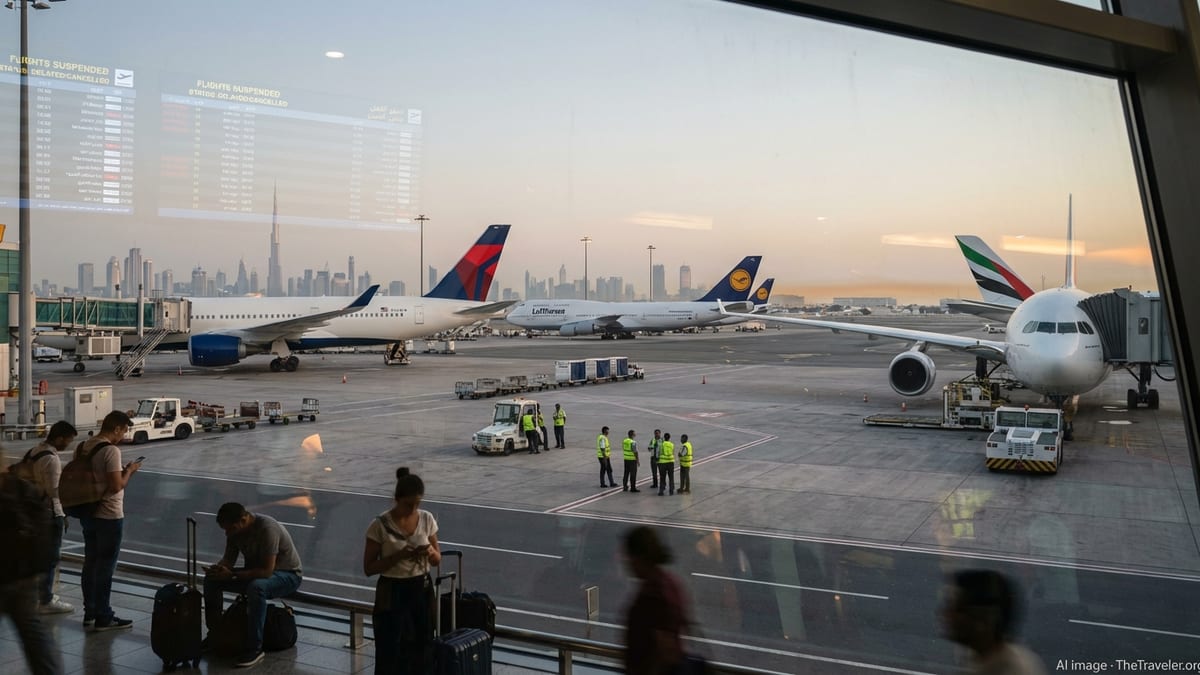
Major Carriers Struggle With Fresh Wave of Disruptions
Preliminary tallies from airport boards and flight-tracking platforms on June 7 indicate a sharp spike in cancellations and delays involving Russia’s largest airlines. Aeroflot, Rossiya and UTair appeared among the most affected, with dozens of services scrubbed and many more operating well behind schedule on domestic and international routes.
Publicly available data from live boards at regional airports, combined with commercial tracking services, point to at least 62 outright cancellations by midday, alongside more than 200 delayed flights. The figures are still evolving as schedules are updated through the day, but they signal one of the more acute single-day disruptions for Russian carriers so far this summer season.
The heaviest pressure is falling on Moscow’s main hubs and Saint Petersburg’s Pulkovo Airport, which serve as central nodes for Aeroflot and Rossiya respectively. Passengers connecting through these airports are reporting missed onward flights, lengthy queues at check-in and transfer desks, and difficulty securing rebookings on already congested later services.
While individual delay notices cite a variety of operational reasons, the wider pattern reflects a system that has been running with little spare capacity for months, leaving airlines and airports highly vulnerable to cascading disruption when even minor problems occur.
Operational Strains Meet Tight Fleet Capacity
The June 7 disruption is unfolding against a backdrop of mounting pressure on Russian carriers’ fleets. Since 2022, sanctions and export controls have complicated access to Western-built aircraft, spare parts and maintenance services, prompting airlines to keep older jets in service longer and lean heavily on a shrinking pool of airworthy aircraft.
Industry analyses and recent coverage of Russian aviation policy highlight how Aeroflot Group, including subsidiary Rossiya, has been relying more extensively on domestically produced Sukhoi Superjet 100 aircraft, while also juggling maintenance cycles for its Airbus and Boeing fleets under constrained conditions. UTair, primarily focused on domestic routes, faces similar challenges in sustaining reliable schedules with limited backup aircraft available when technical issues arise.
This structural fragility is visible in the delay patterns emerging on June 7. Flight status tools show a mix of late departures and arrivals on high-frequency trunk routes into Moscow and Saint Petersburg, where even short disruptions quickly ripple through the network. With many aircraft operating tightly timed rotations, a single late inbound service can trigger a series of departures that each push further off schedule.
Airline performance data compiled in recent months has already suggested a deterioration in on-time reliability for several Russian carriers, especially during peak travel periods. The latest wave of cancellations and delays underscores how exposed the system remains to weather swings, technical snags, airspace restrictions or staffing gaps that might be more easily absorbed in less constrained markets.
Passengers Confront Long Queues and Limited Options
For travelers caught in the June 7 disruption, the immediate effect is a day of uncertainty and logistical headaches. Social media posts and passenger reports describe crowded terminals, lines at service counters and difficulty reaching call centers as airlines work through a surge of rebooking and refund requests.
At hub airports, some travelers are being accommodated on later same-day departures, but limited spare seats on popular domestic routes mean others are facing overnight stays or multi-stop reroutings via alternative carriers. International passengers, particularly those without Russian visas transiting through Moscow or Saint Petersburg, face additional complications if missed connections force them to clear immigration or rebook on non-Russian airlines at short notice.
Consumer-rights groups and legal advisory firms that track air-passenger complaints have previously noted rising frustration with disrupted services across Russia’s aviation market, especially when communication is slow and passengers are unsure whether they are entitled to compensation or paid accommodation. The pattern of June 7, with widespread delays concentrated in a short window, is likely to fuel further grievances.
Travel experts generally advise affected passengers to monitor airport and airline status pages in real time and, where possible, use official apps or online platforms to change bookings instead of relying solely on in-person counters that can quickly become overwhelmed during major disruptions.
Wider Aviation Context Raises Questions for Summer Peak
The events of June 7 add to a growing list of recent shocks to Russian air travel. Over the past year, the sector has contended with drone-related airspace closures, periodic groundings of specific carriers and lingering effects from a high-profile cyber incident that temporarily halted Aeroflot operations. Each episode has underscored the vulnerability of a network operating with few redundancies.
Analysts following the sector note that Russian regulators have simultaneously tightened oversight of some airlines while also signaling flexibility on extending the service life of older aircraft, including Superjet and Soviet-legacy models. That combination reflects both safety concerns and the difficulty of rapidly renewing fleets when access to Western manufacturers and financing is restricted.
With the peak summer travel season approaching, the June 7 wave of cancellations and delays is likely to sharpen debate over whether airlines have sufficient capacity and contingency planning to cope with surging passenger demand. Tour operators and corporate travel managers are watching closely for signs of prolonged instability that could complicate domestic tourism campaigns and business travel within Russia and to neighboring countries.
For now, the picture remains fluid. As airlines work through the backlog of delayed flights and adjust rotations in the days ahead, the scale of knock-on effects from the June 7 disruption will become clearer. What is already evident, however, is that Russian travelers are entering the busiest months of the year amid an aviation environment where even a single bad day can ripple widely across the network.