


More news on this day
Fire crews from Station 1 have joined forces with Chipola College paramedic students in a series of realistic emergency simulations designed to sharpen response skills in Florida’s rural Panhandle communities.
Get the latest news straight to your inbox!
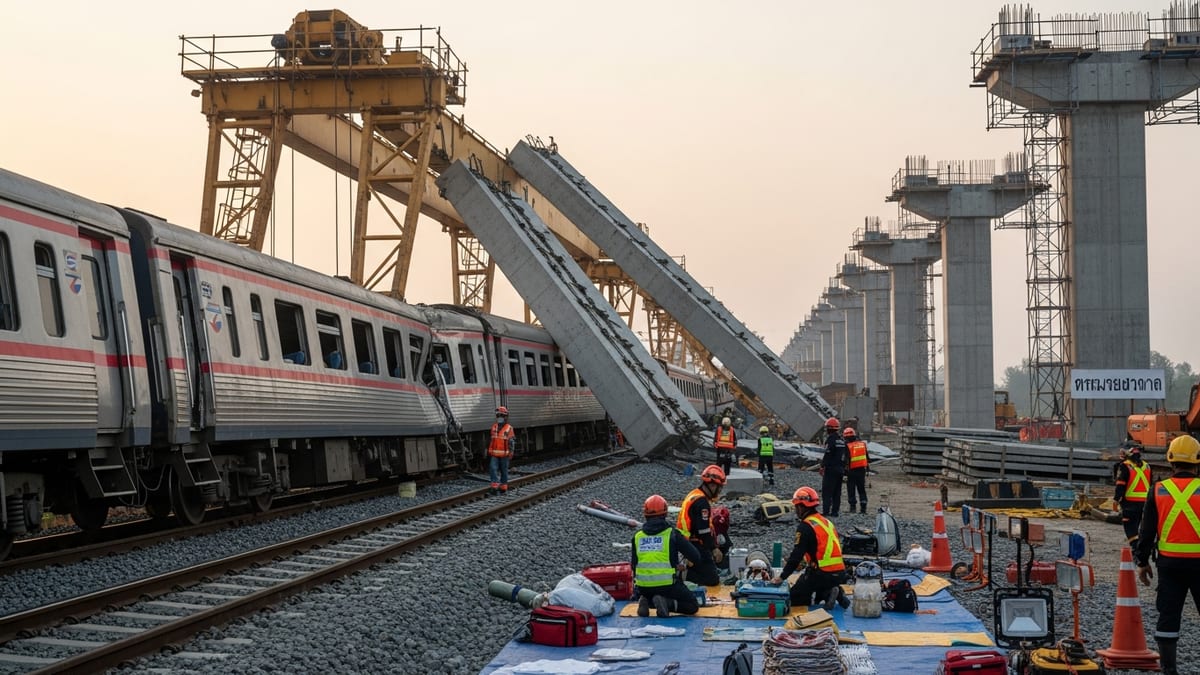
Hands-on training links classroom learning to real emergencies
Recent joint exercises bring together Station 1’s front-line firefighters and Chipola College’s paramedic students in simulated emergency calls that are structured to reflect the pressures of real incidents. Publicly available information on Chipola College’s Emergency Medical Services curriculum shows that students are required to complete extensive clinical and field experiences in addition to classroom and lab work, and the Station 1 scenarios are being used to bridge those requirements with day-to-day practice in the field.
The training days typically unfold as a sequence of mock calls, ranging from traffic collisions and cardiac events to trauma cases, allowing students to move repeatedly from the parking apron to the back of an ambulance, then into a simulated emergency department handoff. Station 1 crews treat each event as they would a real dispatch, with response vehicles rolling out, radios active, and students embedded in the team as they practice assessments and interventions under time pressure.
Reports on program design at Chipola indicate that both EMT and Paramedic tracks emphasize competency-based learning in the cognitive, psychomotor, and affective domains. By pairing students with experienced Station 1 personnel, the joint drills are intended to reinforce those competencies, giving trainees the opportunity to perform under supervision while adapting to rapidly changing scenes.
Observers note that the partnership also reflects a wider shift toward scenario-based education in emergency services, where controlled simulations are increasingly used to expose students to complex calls before they take on full responsibility for patient care.
High-fidelity scenarios mirror rural Panhandle conditions
The Station 1 and Chipola collaboration focuses on emergencies that are common in the Florida Panhandle’s largely rural service area. Training scenarios are designed around long transport times, limited nearby hospital options, and the possibility of multiple patients, all factors that can complicate care and resource allocation during an actual incident.
In one type of drill, a mock vehicle crash is staged with volunteers acting as injured occupants, complete with moulage to simulate bleeding and fractures. Paramedic students work alongside Station 1 firefighters to stabilize the scene, triage patients, manage airways, and coordinate extrication while balancing safety and speed. These exercises are structured so that senior crew members model scene leadership, while students rotate through critical roles such as primary assessment and medication administration within the limits of their training.
Other scenarios focus on medical calls that demand nuanced judgement, such as chest pain, stroke, or diabetic emergencies. Here, the emphasis is on rapid patient evaluation, accurate interpretation of vital signs, and early communication with receiving facilities. Training materials released by Chipola describe an emphasis on complex decision-making and differential diagnosis, and Station 1 crews incorporate those expectations by prompting students to verbalize treatment plans and anticipated complications as the simulations unfold.
For both partners, situating drills in realistic local settings, including roadways, residential neighborhoods, and community facilities, adds an extra layer of authenticity, helping students understand how geography, distance, and limited access can influence on-scene strategy and transport decisions.
Chipola’s EMS curriculum built around simulation and fieldwork
Chipola College’s published program outlines show that its Emergency Medical Technician and Paramedic certificates combine classroom instruction with lab work, hospital clinicals, and ride-alongs with local agencies. The Paramedic program in particular is structured as a multi-semester sequence that broadens advanced life support knowledge and skills in areas such as airway management, cardiology, trauma care, and special populations.
Course descriptions emphasize scenario-based learning, case studies, and skills stations as key methods to reinforce theory. Integration with Station 1’s training calendar allows faculty to align classroom content with upcoming simulations so that students can immediately apply recently covered topics in a controlled but realistic environment. For example, modules on trauma assessment or respiratory emergencies are often followed by live drills where those competencies are central.
Program documents highlight that Chipola’s EMS offerings adhere to national education standards and state regulatory frameworks, with a focus on preparing students for state licensure and national certification exams. High first-time and overall pass rates reported in the college’s performance summaries suggest that this combination of formal curriculum and field-based practice has produced strong outcomes for graduates entering the emergency services workforce.
The collaboration with Station 1 supports these goals by increasing the volume and variety of patient encounters that students can experience before certification, extending their exposure beyond hospital corridors and into the dynamic environments where many of their future calls will occur.
Building teamwork between future paramedics and fire crews
The joint training is also being used to cultivate the team dynamics that are central to modern emergency response. In many Florida communities, firefighters and paramedics respond together as a unified unit, and effective care depends on clear communication, shared protocols, and trust among crew members who may be meeting for the first time at a chaotic scene.
During Station 1 drills, paramedic students practice giving concise patient reports, relaying critical changes in status, and coordinating with fire personnel on lifting, moving, and extrication tasks. Crews rehearse basic incident command concepts, including who is leading medical care, who is responsible for safety, and how information flows between teams on the ground and dispatch. This structure mirrors principles described in emergency services training literature, where role clarity is linked to fewer errors and faster decision-making.
Participants in the exercises have noted that working side by side in high-stress simulations helps students become more comfortable speaking up and asking for assistance, while also learning to recognize when they should defer to more experienced providers. For the Station 1 crew, the rotations offer a chance to mentor prospective colleagues and to reinforce their own skills through teaching and demonstration.
By the time they approach graduation, many Chipola paramedic students will have completed multiple evolutions with Station 1 and other local agencies, giving them an early network of contacts and a practical familiarity with the equipment, terminology, and culture of fire-based EMS operations.
Regional benefits for small communities and future recruits
Beyond the immediate educational advantages, the partnership between Station 1 and Chipola College represents a pipeline strategy for staffing emergency services in smaller Panhandle communities. Public information from the college describes a broad health sciences portfolio, including nursing, EMT, paramedic, and firefighting programs, all of which are considered limited access and targeted to regional workforce needs.
By exposing students to the realities of work in rural districts, the training scenarios may encourage more graduates to seek employment with local departments that often face recruitment challenges. The opportunity to train alongside Station 1 professionals provides clear insight into shift life, call volume, and community expectations, which can help students decide whether to pursue long-term careers in the area.
Community members also stand to gain from emergency responders who have already navigated complex, locally tailored drills before taking on independent assignments. As simulations increasingly incorporate multi-patient incidents, hazardous conditions, and coordination with other public safety partners, the experience may translate into more confident responses when real events occur.
For Chipola College and Station 1, the ongoing collaboration underscores the role that regional colleges and local fire and EMS agencies can play together in sustaining essential services, particularly in areas where distance, limited resources, and severe weather can turn routine calls into high-stakes operations.