


More news on this day
A series of recent U.S. government updates on disease, weather and security risks is prompting travelers to rethink trips to classic tropical escapes, from the Caribbean and Mexico to far-flung islands in the Indian Ocean and South Pacific.
Get the latest news straight to your inbox!
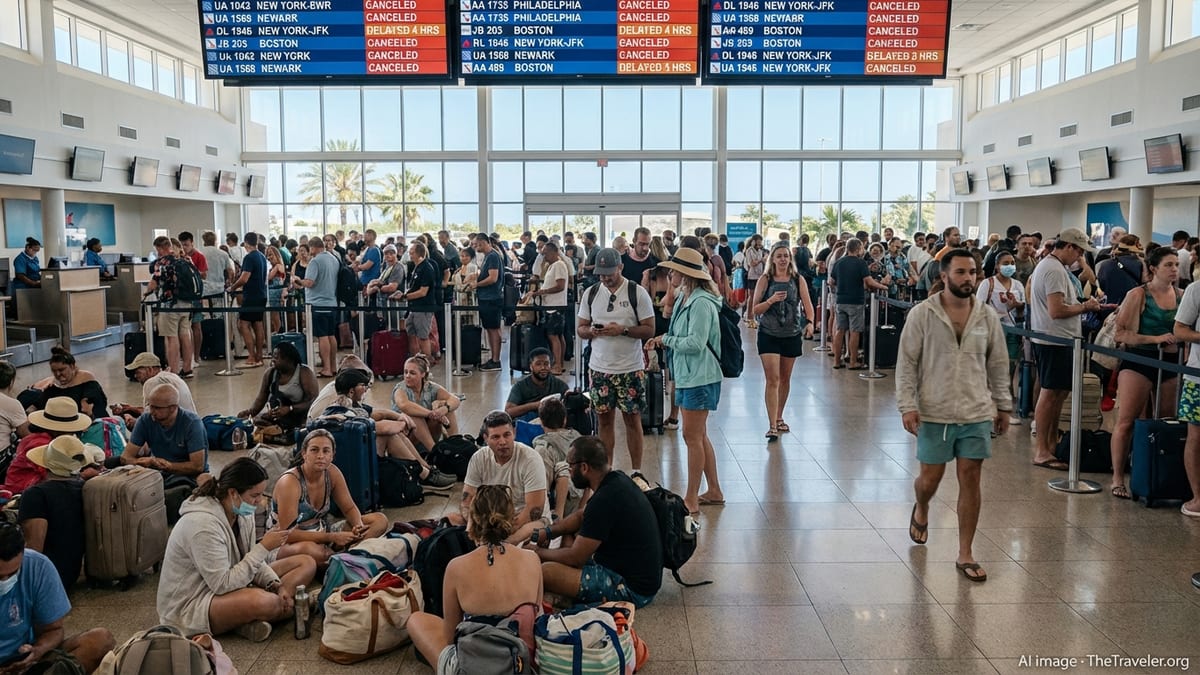
Heightened alerts for mosquito-borne illnesses in beach hotspots
Health-focused travel notices now highlight a broader band of tropical and subtropical destinations where mosquito-borne illnesses are a growing concern for visitors. Centers for Disease Control and Prevention materials describe dengue as a year-round risk in many parts of the world, with amplified activity in the Americas, Caribbean, parts of Asia and the Pacific. For U.S. travelers, that includes some of the most sought-after winter and spring beach destinations.
Recent surveillance reported thousands of travel-associated dengue cases among U.S. residents, with a significant share linked to trips in the Caribbean and Latin America. Public health information stresses that even short resort stays can coincide with local transmission, particularly during regional outbreaks. Travelers considering all-inclusive packages or cruise calls in tropical ports are being encouraged by public sources to understand local conditions before they arrive.
Updated guidance recommends a layered approach to prevention, including using insect repellent registered with the U.S. Environmental Protection Agency, wearing loose long sleeves and pants when possible, and choosing accommodations with screens or air conditioning. Information aimed at clinicians also notes the importance of monitoring returning travelers who develop fever, warning that symptoms can escalate in a small proportion of cases.
Health notices additionally point to a growing menu of online tools for checking destination-specific risks in near real time. These include interactive maps highlighting countries with increased dengue activity, as well as destination pages that summarize current outbreaks and outline precautions for higher-risk groups such as older adults and people with underlying medical conditions.
Storm season and coastal safety along tropical shorelines
For many oceanfront destinations, the annual cycle of tropical storms and hurricanes is also shaping new travel warnings. U.S. government advisories for Mexico, for example, note that the country’s Pacific and Caribbean coasts can experience tropical storms and hurricanes from roughly May through November, with heavy rain, coastal flooding and dangerous surf possible during active systems.
Travel information for low-lying island nations such as the Maldives highlights vulnerability to seasonal storms and localized flooding. Publicly available country profiles describe a tropical climate with monsoon periods and note that authorities have invested in early warning systems and evacuation planning following past major events. While severe cyclones are not an everyday occurrence, even weaker systems can disrupt inter-island transport, seaplane transfers and boat excursions that form the backbone of many resort itineraries.
Advisories consistently remind visitors that infrastructure in small islands or rural coastal areas may be limited compared with large cities. Power cuts, temporary port closures and damaged roads can complicate evacuations or shelter-in-place orders. Travelers planning remote beach stays are being encouraged to monitor regional meteorological updates, register with consular notification programs and keep flexible buffers in their itineraries during peak storm months.
On popular resort beaches, guidance also touches on everyday ocean safety. Rip currents, strong surf and limited lifeguard coverage are cited as risks at some unsupervised stretches of coastline in the Caribbean, Central America and the Pacific. Open-source safety campaigns recommend that visitors pay attention to local flags and signage and consider the availability of emergency services before venturing into remote coves or isolated surf breaks.
Security and crime concerns in select tourist corridors
Beyond health and weather, security-related travel advisories are influencing how travelers evaluate certain tropical destinations. The U.S. State Department’s global advisory map divides countries into four levels, from normal precautions to do not travel, and some of the clearest warnings affect regions where coastal tourism intersects with organized crime or civil unrest.
Mexico remains under close scrutiny, with the latest country advisory emphasizing that risk levels vary widely by state. Well-known resort regions on both coasts continue to draw millions of visitors each year, yet individual states may face heightened warnings linked to cartel violence, kidnappings or local conflicts. Separate reporting on 2026 cartel unrest underscored how fast conditions can change when clashes affect highways or airports serving beach destinations.
Elsewhere, island nations that market themselves as secluded luxury retreats are not immune to cautions. Travel pages for the Maldives, for example, currently recommend that visitors exercise increased caution, citing terrorism and scams among the concerns. Background materials note that while most trips are uneventful, incidents related to theft, fraud or targeted attacks can have outsize impact in compact island communities that depend heavily on tourism.
Security-related guidance often urges travelers to stay aware of their surroundings, avoid demonstrations or large gatherings and keep a low profile in nightlife districts where alcohol and cash transactions are concentrated. Public resources also emphasize the importance of sharing itineraries with family or friends at home and maintaining copies of travel documents in case of loss or theft abroad.
How travelers are adjusting plans for sun-and-sand escapes
These overlapping advisories are not stopping most trips, but they are prompting shifts in planning habits. Travel industry coverage indicates that many U.S. vacationers now incorporate advisory levels and health notices into destination comparisons, particularly when choosing between similarly priced Caribbean islands or between Mexico and non-Mexican beach options in Central America and the Pacific.
In response, tour operators and hotels are highlighting safety and health readiness measures more prominently in marketing, from on-site medical support and hurricane-hardened infrastructure to flexible booking policies that allow last-minute changes if advisories tighten. Industry commentary notes that properties able to demonstrate robust contingency planning may be better placed to retain bookings during active storm seasons or disease outbreaks.
Travel insurers, meanwhile, are updating policy language to clarify what is and is not covered when advisories or health notices change after a trip is booked. Some plans now distinguish between medical emergencies related to illness and trip interruption tied to weather or security events, which can affect whether travelers are reimbursed for canceling or cutting short a beach holiday when new warnings appear.
For individual travelers, the growing volume of publicly available information can feel overwhelming, but it also offers more opportunity to align risk tolerance with destination choice. Comparing official advisories from multiple countries, consulting independent travel medicine clinics and monitoring regional news coverage are emerging as common steps for those seeking palm-fringed escapes without unwelcome surprises.
Practical steps before booking a tropical vacation
Experts in travel risk management recommend a systematic approach to planning trips to tropical destinations in light of recent warnings. A first step is to check both security advisories and health notices for any country under consideration, paying attention not just to overall levels but to the specific reasons cited, such as crime, unrest, disease outbreaks or weather hazards.
Health-focused preparation often includes confirming routine vaccinations, discussing destination-specific risks like dengue or other mosquito-borne illnesses with a healthcare provider and assembling a basic travel health kit. Many travelers are also being advised through public channels to consider whether pre-existing medical conditions, pregnancy or travel with young children might warrant choosing destinations with stronger healthcare infrastructure.
On the logistics side, sources highlight the value of flexible arrangements. Refundable or changeable airfares, hotels with clear hurricane or force majeure policies and comprehensive travel insurance can reduce the financial impact if a storm system strengthens, a security situation deteriorates or an outbreak prompts stricter advisories. Keeping copies of important documents and emergency contact numbers separate from originals can also smooth the path if complications arise.
For those still dreaming of turquoise water and white sand, recent warnings are less about discouraging travel and more about sharpening preparation. By pairing careful destination research with realistic contingency planning, many travelers are continuing to enjoy tropical getaways while staying alert to the evolving mix of health, weather and security risks that shape today’s postcard-perfect escapes.