


San Francisco is a compact city with big-city energy, a dramatic waterfront, and distinct neighborhoods that feel like their own little worlds. This guide focuses on where to base yourself, which sights are worth your time, how to move around efficiently, and how to tap into experiences locals actually enjoy, all with up to date, on the ground details for 2026 travel.
Get the latest updates straight to your inbox!
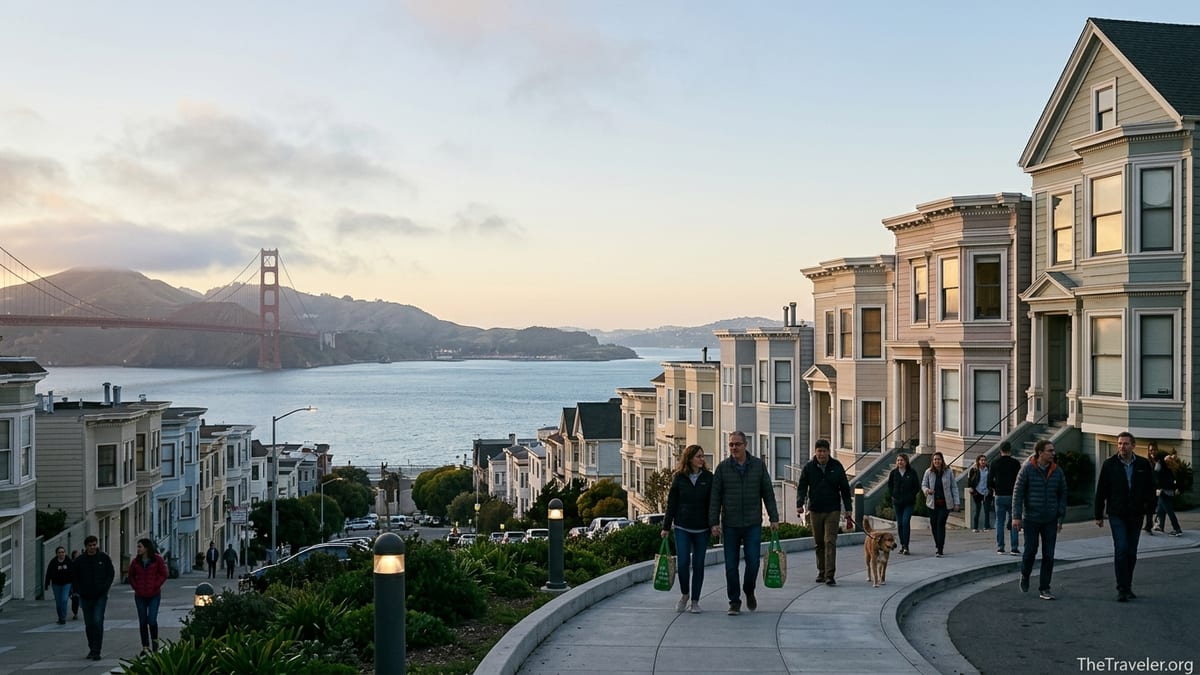
Choosing the Right Neighborhood Base
San Francisco is just seven miles by seven miles, but choosing the right neighborhood can make the difference between a trip spent walking to great cafes and parks or one spent commuting in from a noisy, nightlife corridor. For many visitors, the most convenient bases are Union Square, Nob Hill, Fisherman’s Wharf, North Beach, and the Marina. These areas give reasonably easy access to the city’s core sights while offering a range of hotel prices and evening options.
Union Square is the traditional hotel district, with large chain properties in historic buildings and straightforward transit access. You are a short walk from Powell Street BART, which connects to San Francisco International Airport and much of the East Bay, and you can hop straight on Muni buses and historic streetcars along Market Street. The flip side is that Union Square feels more commercial than residential; think department stores, office towers, and busy roads. Nightlife runs more to cocktail bars and theater than neighborhood pubs, and some streets closer to Market can feel gritty after dark, so many travelers prefer to walk in pairs at night and use rideshares for late returns.
Fisherman’s Wharf is popular with first time visitors because you can walk to the ferry piers, Ghirardelli Square, and the start of the cable car lines. Hotels here are often modern midrange chains with family-friendly rooms and breakfast included. The tradeoff is that restaurant prices skew higher and menus are designed for tourists more than locals. If your priority is waking up near the water, seeing sea lions at Pier 39 before the crowds, and having flat, stroller friendly streets, the Wharf is a practical base, even if you will use transit or rideshares to explore other neighborhoods.
For more of a local feel, look at North Beach, the Marina, or Pacific Heights. In North Beach, small inns sit above Italian restaurants and espresso bars, and you can have an early morning cappuccino at a decades-old cafe before strolling to Coit Tower. The Marina and nearby Cow Hollow are flat, walkable, and packed with brunch spots, casual wine bars, and boutique gyms. Here you are a short walk from the waterfront trail to the Golden Gate Bridge and the Palace of Fine Arts. These districts have more of a neighborhood vibe, though evenings can be lively, especially around Chestnut and Union Streets.
Essential Attractions Worth Your Time
Alcatraz, the Golden Gate Bridge, and the historic cable cars are still the big three, and for good reason. Alcatraz tickets often sell out days in advance, especially for morning departures that include time on the island and the audio tour of the former prison. If you want the popular night tour, which adds ranger programs and dramatic city views after sunset, it is wise to book at least a week ahead during peak months. Expect to spend three to four hours door to door, including the ferry ride from Pier 33 and time exploring the cell house and grounds.
The Golden Gate Bridge is best experienced up close. On clear mornings you can walk or bike from the visitor area on the San Francisco side, where you will find restrooms, a small cafe, and viewpoints. Many visitors rent a bike near Fisherman’s Wharf, ride over the bridge to the town of Sausalito, have a leisurely lunch looking back at the skyline, and then take the ferry back across the bay. If you prefer to stay on foot, consider walking only partway out on the bridge for photos, then heading down to Crissy Field or Fort Point for a different low-angle view.
Riding a cable car at least once still feels like stepping straight into the city’s history. The Powell Street lines connect Union Square with Fisherman’s Wharf, and the California Street line runs over Nob Hill with views of the Bay. You can pay on board using a Clipper transit card, the MuniMobile app, or contactless bank cards in many cases, and you should be prepared to queue at the terminal stops during mid-day. For a less crowded ride, go early in the morning or board a couple of stops up the line rather than at the terminus.
Beyond the icons, practical time investments include Golden Gate Park and the waterfront. Golden Gate Park is large enough that you will want to focus your time: you might pair a morning at the de Young Museum with the Japanese Tea Garden, or combine a visit to the California Academy of Sciences with a walk to Stow Lake for pedal boats. Along the bay, the Ferry Building hosts a popular farmers’ market several days a week, with vendors selling everything from local oysters to fresh pastries, and even on regular days its indoor hall is lined with bakery counters, cheese shops, and coffee roasters favored by residents who work downtown.
Getting Around: Transit, Rideshares and Hills
San Francisco’s public transit network can be confusing on first glance, but once you understand the basics it is often the fastest and most economical way to move around. The Clipper system is the main fare card that works across Muni buses and trains, BART, ferries, and several regional systems, and as of late 2025 it has been upgraded so that you can also tap in with many standard contactless credit and debit cards. A single adult Muni ride paid via Clipper or the MuniMobile app is typically under three dollars, with transfers good for a set period, which suits visitors hopping between neighborhoods in a single day.
BART is the regional rapid transit system that connects San Francisco with the airport and East Bay cities. From San Francisco International Airport you can ride directly to downtown stations such as Powell Street, Montgomery Street, or Embarcadero in about half an hour, and pay by Clipper or contactless bank card at the fare gates. Within the city, BART is most useful for reaching the Mission District and for making quick jumps between downtown and the eastern neighborhoods, while local Muni buses and the light-rail lines cover routes to Ocean Beach, the Sunset, and other residential areas that BART does not reach.
Rideshare services like Uber and Lyft are widely available and remain practical when you are traveling in a small group, handling luggage, or returning late at night. In central neighborhoods you can usually expect a car within a few minutes, though evening surcharges are common during big events or weekend nights. Many locals choose a mixed strategy: BART from the airport to downtown, then rideshare only when transit connections involve multiple transfers or when traveling with kids after dark. Parking in most central areas is limited and pricey, so renting a car just for city sightseeing is rarely cost effective unless you plan to explore the wider Bay Area or Napa and Sonoma wine country.
Be realistic about hills and walking distances. A fifteen minute walk in the flat Marina feels very different from a fifteen minute climb up Nob Hill. Streets like Filbert, Taylor, and California can be steep enough to be challenging for strollers and anyone with mobility issues. When planning your days, group sights by topography as much as by geography: combine North Beach and the Embarcadero on one day, or Golden Gate Park and the Inner Sunset on another, and use a bus or rideshare to bridge the steepest segments so that you arrive at major viewpoints like Coit Tower or Twin Peaks with enough energy to enjoy them.
Neighborhoods for Food, Culture and Nightlife
The Mission District remains one of the most rewarding areas for food and street life. During the day you can pick up a Mission-style burrito from a classic taqueria, try fresh pan dulce from a Mexican bakery, and wander along Valencia Street to discover independent bookstores and small design shops. In the evening, the same streets turn into a hub for cocktail bars, craft breweries, and intimate restaurants serving everything from Californian tasting menus to casual Southeast Asian dishes. Murals on Clarion Alley and around Balmy Alley give a sense of the neighborhood’s activist and artistic roots, and walking these blocks is still one of the most vivid urban experiences in the city.
Chinatown and neighboring North Beach offer a different kind of cultural layering. In Chinatown, you can watch locals shop for produce and dried goods along Stockton Street, stop for dim sum at a no-frills dining room, or visit a small temple tucked above the street-level storefronts. A few blocks downhill, North Beach still carries its Italian heritage, with cafes where regulars linger over espresso and small restaurants serving straightforward pasta and grilled fish. At night, jazz and comedy clubs tucked along Columbus Avenue and nearby side streets attract both residents and travelers, making it easy to craft an evening that moves from dinner to live music without long rides in between.
The Hayes Valley and SoMa areas are more contemporary in feel. Hayes Valley’s streets around Patricia’s Green are lined with boutiques, wine bars, and dessert shops, and on a sunny afternoon the park fills with families, students, and workers from the nearby civic center. SoMa, short for South of Market, stretches from Moscone Center toward the bay and contains major museums, tech offices, and some of the city’s busiest nightlife corridors. While parts of SoMa still struggle with visible homelessness and open-air drug use, especially along certain blocks, many visitors find that sticking to main arteries, traveling in groups at night, and using rideshares for late returns lets them enjoy concerts and clubs while minimizing exposure to the roughest streets.
For relaxed evenings, the Inner Sunset, Inner Richmond, and Noe Valley neighborhoods feel closer to everyday San Francisco. In the Inner Sunset you can step out of Golden Gate Park and immediately find casual noodle houses, bakeries, and pubs along Irving Street. The Inner Richmond offers Russian bakeries, dim sum houses, and low-key bars around Clement Street, and Noe Valley’s 24th Street is dotted with family-friendly restaurants, playgrounds, and ice cream shops. These areas see far fewer tour buses, and conversations you overhear are more likely to be about school schedules and dog walkers than sightseeing routes, which many travelers find refreshing midway through a busy city stay.
Local Experiences That Feel Authentic
Some of San Francisco’s most memorable experiences are simple and low cost. Joining locals on an early morning walk along Crissy Field, for example, gives you uninterrupted views of the bay and Golden Gate Bridge in softer light, plus a front-row look at people jogging, walking dogs, and commuting by bike. On weekends, parks like Dolores Park in the Mission and Alamo Square near the Painted Ladies fill with picnickers. Travelers often pick up picnic supplies at a neighborhood grocery or farmers’ market and spend an afternoon people-watching with the skyline as a backdrop.
Another way to connect with local rhythms is to plan your day around a neighborhood market or community event. The Ferry Building farmers’ market on select mornings attracts chefs and home cooks from across the city, with stalls selling seasonal produce, fresh flowers, prepared foods, and local cheeses. Smaller markets in the Richmond, Sunset, or Noe Valley bring out families and local musicians. Likewise, checking event calendars for concert series at venues like the Independent or local theaters in the Mission and Hayes Valley can turn an ordinary evening into a chance to see how residents actually spend their nights out.
Exploring beyond the most photographed viewpoints can also add texture to your trip. Instead of only visiting the famous Lombard Street switchbacks by car, you might approach from the bottom and walk up, noticing the small apartment buildings, gardens, and everyday stairways that surround the landmark. In Chinatown, step off the main Grant Avenue drag to discover narrow alleyways hung with laundry and lined with herbal shops and family associations. On the ocean side of the city, Land’s End offers coastal trails with views of the Pacific, the ruins of the Sutro Baths, and a classic cliffside restaurant where locals still go for sunset drinks.
For travelers with more time, local-led tours can deepen your understanding of the city’s recent changes. Walking food tours in the Mission or Chinatown often combine tastings with discussions of gentrification, housing pressures, and how small businesses are adapting. Architecture walks through downtown and South Beach might highlight how former industrial warehouses are now home to tech companies and design studios. These experiences cost more than exploring alone, but they often provide insight into how residents feel about evolving safety, transit, and the post-pandemic landscape in a way you would not get just from looking at landmarks.
Costs, Safety and Practicalities in 2026
San Francisco is an expensive city by any measure, and visitors feel it most in lodging and dining. Hotel rates vary widely by season and by neighborhood, but even simple chain hotels in central areas often price significantly higher than comparable rooms in many other U.S. cities, especially once city hotel taxes and tourism fees are added at checkout. Travelers on tighter budgets frequently choose smaller hotels or guesthouses in the Richmond, Sunset, or Mission, accept a slightly longer transit ride, and put the savings toward meals and experiences. Booking midweek or outside of major conference dates can also bring rates down, especially around Union Square and SoMa.
Day to day costs depend on how often you eat out and whether you favor sit-down restaurants or casual spots. A basic breakfast at a neighborhood cafe might involve a coffee and pastry for under ten dollars, while a full brunch at a popular spot in the Marina or Hayes Valley can quickly climb much higher once you add specialty coffee and shared plates. Food trucks and taquerias remain some of the best value in town, offering filling meals at more modest prices. Many travelers mix formats: grab simple breakfasts, enjoy one memorable dinner at a view restaurant near the Embarcadero or in North Beach, and rely on grocery stores or markets for snacks to avoid constant impulse spending.
Crime trends have shifted noticeably in the last few years. Citywide, reported violent crime has dropped compared with earlier in the decade, and local officials have highlighted significant declines in homicides and robberies. At the same time, some neighborhoods, particularly parts of SoMa and sections of the Mission, continue to experience higher levels of property crime and visible street-level drug use. For visitors, the practical takeaway is to stay alert, avoid leaving any belongings in parked cars, keep phones and cameras secure when moving through crowded areas, and favor busy, well-lit streets at night. Many locals note that while the statistics are moving in the right direction, feeling comfortable still comes down to block-by-block awareness.
Healthcare and emergency services are of a generally high standard, but the usual travel precautions apply. Travel insurance that includes medical coverage is sensible, as is carrying a list of any prescriptions you rely on. Weather can change quickly even within a single day, so dressing in layers is more than a cliché. A morning that starts with fog and cool winds along the bay can turn into bright afternoon sun in the Mission or Noe Valley. Carrying a light windbreaker and an extra layer in your day bag will help you stay comfortable whether you find yourself in the shade of downtown high-rises or on a breezy overlook above the Pacific.
The Takeaway
San Francisco rewards visitors who approach it as a mosaic of neighborhoods rather than a checklist of individual sights. Choosing a base that matches your priorities, whether that is waterfront access in the Marina, transit convenience near Union Square, or local flavor in the Mission, will shape your trip as much as deciding to visit Alcatraz or walk the Golden Gate Bridge. Understanding the transit system, being realistic about hills, and budgeting for higher lodging and dining costs will help you avoid surprises.
At the same time, the city is more than its famous skyline and postcards. It is morning walks through fog along Crissy Field, late afternoon conversations in a Dolores Park picnic circle, and dim sum served from carts rolling past families who have been eating in the same dining room for generations. With recent improvements in public safety, continued investment in transit, and a resilient food and cultural scene, San Francisco in 2026 offers visitors a complex, evolving city that feels both challenging and deeply rewarding. Approach it with curiosity, a bit of flexibility, and a willingness to explore just one neighborhood more, and you are likely to leave already planning your return.
FAQ
Q1. Is San Francisco safe for tourists right now?
Overall violent crime rates have declined compared with earlier in the decade, and many popular visitor areas feel noticeably calmer. That said, some districts still experience visible homelessness, open-air drug use, and higher rates of theft. Most visitors who stay aware of their surroundings, avoid leaving anything in parked cars, and stick to busy streets at night have smooth trips without serious incidents.
Q2. Which neighborhood is best for a first visit?
For a first trip, many travelers find Fisherman’s Wharf or Union Square most straightforward. Fisherman’s Wharf puts you within walking distance of the waterfront, pier attractions, and the starting points for some bay cruises, while Union Square offers easy access to BART, Muni, shopping, and theaters. If you prefer a more local vibe and are comfortable using transit, North Beach or the Marina can be excellent alternatives.
Q3. Do I need a car in San Francisco?
No, most visitors do not need a car. The combination of BART, Muni buses and trains, ferries, and rideshares can get you almost everywhere you want to go within the city. Parking is scarce and often expensive at hotels and in central neighborhoods. Renting a car only makes sense if you plan day trips to places like Muir Woods, Point Reyes, or wine country, and even then many travelers opt for organized tours instead.
Q4. How should I pay for public transportation?
The simplest option is to use a Clipper card or a contactless credit or debit card. Clipper works on Muni, BART, and most regional systems, and you can add value at station machines or certain retail locations. Using a single payment method across agencies makes transfers smoother and helps you avoid figuring out separate tickets each time you board.
Q5. When is the best time of year to visit?
Late spring and early fall are often the most pleasant times to visit, with relatively mild temperatures and a good chance of clear days. Summer can bring cooler, foggier conditions along the bay, especially in June and July, even as inland areas warm up. Winter is generally rainy but rarely extremely cold. Whatever the season, packing layers is more important than focusing on the exact temperature forecast.
Q6. How many days do I need to see the main sights?
With three full days you can cover many headline attractions, including Alcatraz, the Golden Gate Bridge, a ride on a cable car, Golden Gate Park, and a couple of neighborhoods like Chinatown and the Mission. Five days allows for a more relaxed pace, time in quieter residential districts, and perhaps a short day trip across the bay or down the coast.
Q7. What are some good free or low cost activities?
Excellent budget friendly options include walking along the waterfront from the Ferry Building to Fisherman’s Wharf, exploring Golden Gate Park, visiting Land’s End and the Sutro Baths ruins, and people watching in Dolores Park or Alamo Square. Neighborhood window shopping along Valencia Street in the Mission, Clement Street in the Richmond, or Hayes Street in Hayes Valley can fill an afternoon with little more than the cost of a coffee or snack.
Q8. Is it worth visiting if there is fog?
Yes. While fog can obscure some viewpoints, it also creates a distinctly San Francisco mood and often clears by midday in many neighborhoods. On foggy mornings, you might prioritize indoor attractions like museums, markets, and cafes, then head to parks or viewpoints once the sky brightens. Some visitors seek out the foggy conditions specifically for photography along the bridge and cliffs.
Q9. How should I handle tipping?
Tipping customs are similar to much of the United States. In restaurants with table service, many diners tip around 18 to 20 percent before tax when service is good. For counter service cafes, adding a small amount in the tip jar or on the card reader is appreciated but not required. Rideshare drivers, bartenders, and hotel staff also commonly receive modest tips, especially when they provide extra help or local advice.
Q10. Are there areas I should avoid as a visitor?
There are blocks in central neighborhoods, particularly parts of the Tenderloin and sections of SoMa and the mid-Market corridor, where open drug use and encampments are more common. These areas are not tourist destinations and can feel uncomfortable to navigate, especially at night. Most visitors simply route around them by using main streets, staying aware of their surroundings, and choosing transit stops and walking routes that keep them in busier, better lit zones.