


More news on this day
San Juan is rapidly consolidating its position as a gateway for U.S. travelers heading into the Caribbean and Latin America, as airlines add routes, hotel bookings climb and regional destinations from the Dominican Republic to Mexico report record visitor numbers from the United States.
Get the latest news straight to your inbox!
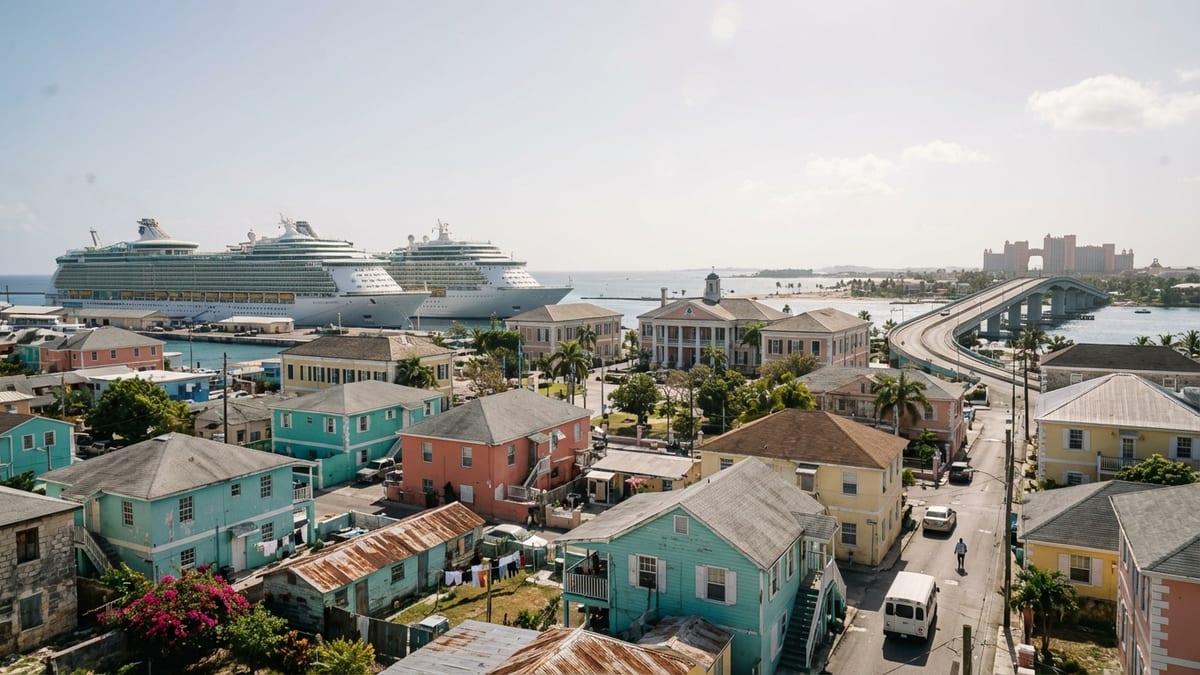
San Juan’s Airport Expands Its Reach
San Juan’s Luis Muñoz Marín International Airport is seeing a steady expansion of its route map, reinforcing the city’s role as a hub between the mainland United States and the wider Caribbean. Recent schedule data indicates that the airport now offers nonstop flights to close to 60 destinations across more than a dozen countries, with both U.S. low-cost and legacy carriers deepening their presence.
New and announced services include additional links to major mainland gateways, as well as longer-haul connections such as San Juan to Madrid. Industry databases show that these routes place the Puerto Rican capital in direct competition with larger regional hubs, making it easier for American travelers to reach secondary islands and Latin American cities via one-stop journeys.
At the same time, some capacity is being reshuffled. Low-cost carriers have trimmed a handful of underperforming routes from San Juan to certain U.S. cities, even as others prepare new seasonal services beginning late 2026. Aviation observers note that this pattern reflects a broader trend of airlines fine-tuning Caribbean networks to match strong leisure demand with profitable schedules.
Travel forums and recent trip reports also suggest that San Juan is attracting more first-time visitors from the mainland United States, who often combine a short city stay with onward exploration of the island or neighboring countries. That combination of urban tourism and connectivity is helping sustain high passenger volumes through the airport.
Tourism Numbers Climb Across the Caribbean
The wider Caribbean continues to post robust tourism growth, driven in large part by American vacationers. Regional statistics released in 2026 point to tens of millions of stopover visitors in the first months of the year, up significantly compared with the same period in 2025. Industry assessments describe this as a stronger performance than many analysts had forecast at the start of the year.
Hotel occupancy has also risen, with some monthly indicators for early 2026 surpassing any month in 2025. Travel trade publications highlight that traditional resort centers such as Cancún, Punta Cana and Aruba are again dominating summer travel for U.S. visitors, supported by dense nonstop airlift, large all-inclusive inventories and aggressive marketing in the American market.
Data from several national tourism boards underscores the trend. The Dominican Republic, described by Caribbean-focused outlets as the region’s tourism powerhouse, recorded a record first half of 2026, with more than 6.6 million visitors and American travelers accounting for more than half of international arrivals in June. Other islands, including smaller destinations such as Curaçao, have reported double-digit percentage increases in U.S. arrivals compared with previous years.
These patterns suggest that, while growth has moderated from the rapid post-pandemic rebound, interest from U.S. travelers in nearby sun-and-sea destinations remains exceptionally strong. Analysts note that short flight times, stable air capacity and the appeal of year-round beach climates continue to underpin demand.
Puerto Rico Builds on Record Tourism Heights
Within this regional picture, Puerto Rico is working to build on what officials have described in public reports as record tourism results in 2025. A summary released in early 2026 by the island’s destination marketing organization pointed to historic highs in visitor spending and hotel revenue, reinforcing the importance of travel and tourism to the local economy.
Forward-looking indicators have remained positive. A lodging pace report shared with industry stakeholders in 2026 showed that bookings for early 2026 were tracking ahead of the same period in 2025, suggesting ongoing strength in demand for stays in San Juan and beyond. Industry observers see this as evidence that Puerto Rico is converting its increased air connectivity and media exposure into sustained overnight visits.
San Juan, in particular, has benefited from travelers seeking a blend of culture, food and convenient beach access. Recent accounts from visitors circulating on travel forums describe a busy Old San Juan, rising prices linked to inflation and a growing mix of boutique hotels and short-term rentals in popular neighborhoods. Many travelers report pairing time in the capital with excursions to El Yunque National Forest, coastal towns and nearby islands.
At the same time, Puerto Rico faces familiar challenges, including infrastructure strains and, more recently, localized water rationing measures linked to dry conditions in parts of the island. Travel advisories and local news coverage advise visitors to stay informed about current conditions, particularly during late summer and early autumn when the Atlantic hurricane season overlaps with peak heat and drought risk.
U.S. Travel Forecasts Point South
National-level forecasts from U.S. travel industry groups suggest that Americans will continue to travel in greater numbers through 2026, with leisure trips driving much of the growth. A spring 2026 outlook from a major industry association projected that total U.S. person-trips would exceed 2019 levels, with air travel in particular expected to rise as a share of overall journeys.
Analysts note that international travel from the United States still lags slightly behind domestic volumes but is steadily closing the gap. Nearby destinations in Latin America and the Caribbean are among the primary beneficiaries because they offer relatively short flights, familiar brands and, in many cases, the ability to pay in U.S. dollars or enjoy favorable exchange rates.
Travel trend reports focusing on multi-day itineraries for North American travelers highlight growing interest in regional circuits that link U.S. cities with multiple stops across Mexico, Central America and the Caribbean. Operators report that Americans are showing stronger appetite for combining classic resort stays with cultural, culinary or nature-focused experiences in neighboring countries.
For San Juan and similar hubs, this means increased potential as jumping-off points for broader itineraries. The city’s expanding network of flights to other American countries supports one-stop journeys that were more complex or costly just a few years ago, encouraging travelers to view Puerto Rico not only as a destination but also as a convenient staging point for wider exploration.
Opportunities and Pressures for American Destinations
The surge in interest in San Juan and other destinations in the United States, the Caribbean and Latin America presents both opportunities and pressures. On one hand, higher visitor volumes create jobs, support small businesses and generate tax revenue that can be reinvested in infrastructure and community projects. On the other, rapid growth can strain local services, inflate housing and hotel prices, and heighten concerns about sustainability.
Caribbean-focused policy papers and regional tourism analyses emphasize the need for diversified tourism offerings that spread visitors beyond a handful of overcrowded districts. For Puerto Rico, that includes steering travelers from Old San Juan into lesser-known coastal areas and interior towns. For the Dominican Republic and Mexican Caribbean, it means balancing the dominance of mega-resorts with emerging interest in eco-tourism and heritage travel.
Environmental and climate-related risks add another layer of complexity. Reports on recent seasons note that while 2026’s Atlantic hurricane outlook has been described as milder than some previous years, drought conditions and heat waves have affected parts of the northern Caribbean. Measures such as water rationing in Puerto Rico underscore how climate variability can directly shape the visitor experience.
Industry observers say that how destinations manage these intersecting trends over the next several years will help determine whether the current boom in American travel to San Juan and its regional neighbors evolves into a sustainable, resilient tourism economy or exacerbates existing vulnerabilities.