


More news on this day
Air travel to Saudi Arabia remains heavily disrupted after a series of attacks on Riyadh’s King Khalid International Airport, with major carriers from Europe, Asia and the Gulf suspending or trimming flights into the kingdom and, in some cases, delaying future route launches.
Get the latest news straight to your inbox!
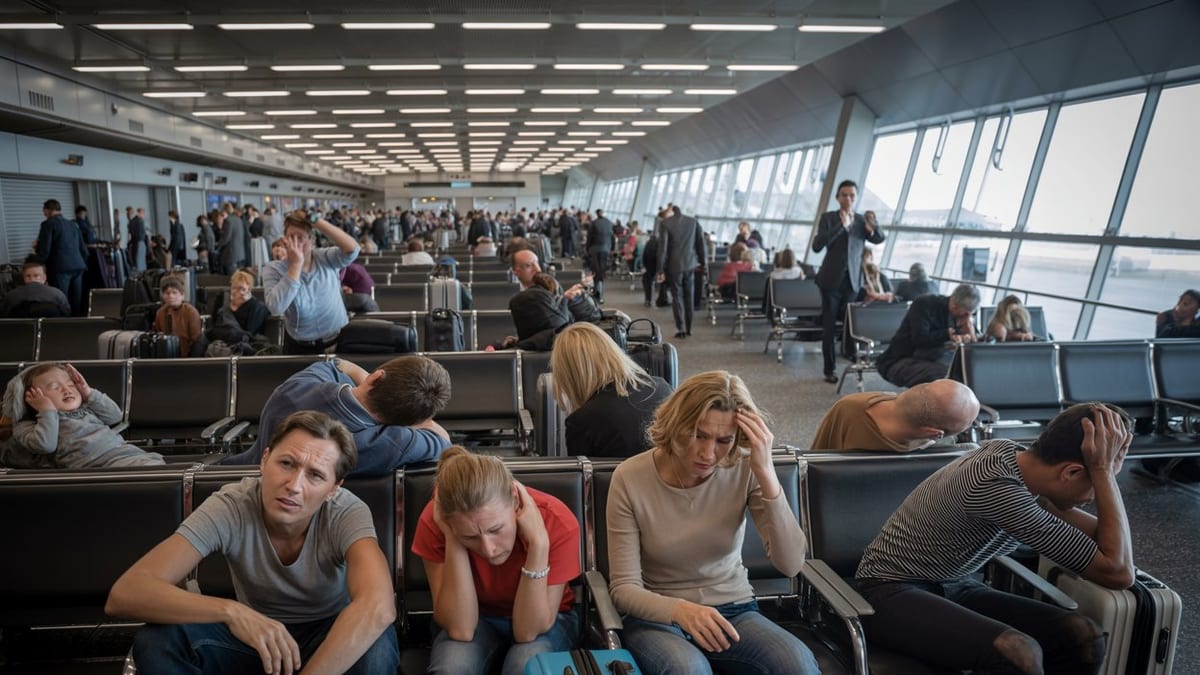
Riyadh airport closure drives widespread schedule cuts
Flight operations at Riyadh’s King Khalid International Airport have been repeatedly suspended since attacks earlier in October, prompting mass cancellations across domestic and international networks. Published coverage indicates that hundreds of flights to and from the Saudi capital were grounded following explosions that damaged terminal infrastructure and raised fresh concerns about the safety of the surrounding airspace.
Reporting over the weekend suggests that Riyadh’s main international terminal remains effectively closed to regular passenger traffic, with only limited movements operating under special restrictions. Aviation industry analysis notes that the disruption has spilled over to other Saudi gateways, including Jeddah and Dammam, as airlines consolidate schedules and avoid routings that require transiting Riyadh.
Aviation data cited in specialist outlets shows that Saudi-based airlines normally account for roughly two thirds of scheduled departures from the kingdom. The current interruptions therefore affect both home carriers and a wide range of foreign airlines that feed connecting traffic through Riyadh to destinations across the Middle East, Asia and Africa.
Travel platforms tracking cancellations emphasise that there is no confirmed date yet for a full restoration of normal service across Saudi airports. Instead, each airline is publishing its own end dates for cancellation windows, often framed as provisional and subject to further security assessments.
European and North American airlines scale back Saudi operations
Among European carriers, reports indicate that Lufthansa has temporarily suspended flights to Riyadh following the latest airport attacks, joining earlier moves to ground services in the immediate aftermath of the explosions. Flight-tracking data shows multiple consecutive days with no Lufthansa-operated arrivals or departures at King Khalid International Airport.
Industry factboxes compiled on October 12 and 13 list additional European and transatlantic operators adjusting their plans. One prominent North American airline has postponed the launch of its long-announced Atlanta to Riyadh route until March 2027, pushing back a key element of a broader partnership with a new Saudi carrier. The decision follows travel waivers and advisory notices pointing to elevated security risks in Saudi airspace.
Other European flag carriers are using a mix of outright cancellations and aircraft swaps on remaining Saudi routes. Published timetables show reduced frequencies into Jeddah and Dammam, while some flights that previously routed via Riyadh are being rerouted through alternative Gulf hubs to maintain connectivity without exposing aircraft to the capital’s airspace.
Travel industry guidance stresses that passengers holding tickets with European or North American airlines to any Saudi destination in October should closely monitor schedule updates, as the situation remains fluid. Many carriers have introduced flexible rebooking policies and, in some cases, full refunds where flights are cancelled or significantly rerouted.
Gulf carriers extend suspensions on key Saudi routes
Airlines based in the United Arab Emirates and wider Gulf region have introduced some of the most extensive short-term cancellations to Saudi Arabia. Coverage from regional business outlets indicates that Emirates, Etihad Airways and flydubai all cancelled multiple rotations on their Dubai or Abu Dhabi to Riyadh routes in the days immediately following the attacks.
Subsequent updates show that Etihad and flydubai have extended their Saudi cancellations beyond the initial weekend window. Publicly available information compiled by passenger rights organisations points to Etihad suspending all Abu Dhabi to Riyadh services through at least mid-October, while also cancelling selected flights to Jeddah and Dammam. Flydubai is reported to have halted several Saudi services to dates spanning October 14 and beyond, advising passengers to rebook or seek refunds.
Regional coverage further notes that an Abu Dhabi based aviation group has suspended all flights to Saudi Arabia until at least October 13, highlighting concerns not only about arrivals and departures at Riyadh but also about overflights across parts of the kingdom. Safety bulletins reproduced in trade media reference warnings that threats could pose risks to aircraft at all altitudes, including transit flights that do not land in Saudi territory.
Other Gulf and Middle Eastern carriers, including low cost operators and regional airlines, have introduced more targeted adjustments. Some have cancelled only Riyadh services for specific days, while maintaining reduced schedules to other Saudi cities where security conditions are assessed as comparatively less volatile.
Indian and Asian airlines adjust Riyadh, Jeddah and Dammam links
India’s large outbound market to Saudi Arabia, important for business travel, religious tourism and labor mobility, has also felt the impact of the Riyadh airport disruption. Factbox style summaries from international newswires state that India’s largest airline has extended cancellations on its routes to Riyadh and Dammam through at least October 15, reflecting continuing caution over the security picture.
The second largest Indian carrier is reported to have cancelled flights to Dammam and Jeddah for specific dates in mid October while keeping services to Riyadh suspended until the same mid month threshold. These measures affect both point to point routes from major Indian metros and connecting itineraries carrying passengers onward to third country destinations via Saudi hubs.
Beyond India, regional reporting and airline statements highlight adjustments by other Asian carriers that serve Saudi Arabia. Royal Brunei Airlines, for example, has announced the cancellation of at least one round trip between Brunei and Jeddah scheduled for October 13, citing the evolving security environment and the need for a precautionary approach to operations.
Travel blogs tracking long haul connections from Southeast Asia also note uncertainty around future resumptions by certain low cost carriers that had planned or recently launched Saudi routes. Some prospective services have been removed from booking systems, while others remain on sale but flagged as subject to change as airlines reassess the viability of operations into Saudi airspace.
What travelers with Saudi tickets need to know right now
For travelers holding tickets to Saudi Arabia in October, the most immediate effect of the current situation is a high probability of last minute schedule changes. Flight data from recent days shows entire blocks of departures from Riyadh being removed within hours of planned departure times, as airlines respond to evolving security assessments and airspace notices.
Passenger rights organisations advise that travelers whose flights are cancelled should first consult the airline’s official channels to confirm the latest status and available options. Many carriers are offering fee free date changes or rerouting via alternative hubs, and some are providing full refunds where no reasonable alternative itinerary is available. The precise remedies, including eligibility for compensation, vary by airline and by the jurisdiction under which the ticket was sold.
Government travel advisories updated since the Riyadh attacks reinforce the need for caution. At least one European government now advises against all but essential travel to Jeddah and Dammam, and to all airports in Saudi Arabia except Madinah. That guidance is likely to influence insurance coverage, as some policies restrict benefits where travelers enter areas under elevated security warnings.
Given the rapidly shifting picture, aviation analysts and travel platforms agree that there is currently no firm timeline for a full resumption of regular Saudi flight schedules. Travelers planning trips to or through the kingdom in the coming weeks are encouraged to maintain flexible arrangements, monitor airline and government updates closely, and be prepared to reroute through alternative regional hubs if necessary.