


More news on this day
Saudi Arabia has prolonged the closure of Riyadh’s King Khalid International Airport after a series of deadly attacks attributed to Yemen’s Houthi movement, extending severe disruption for passengers across the region.
Get the latest news straight to your inbox!
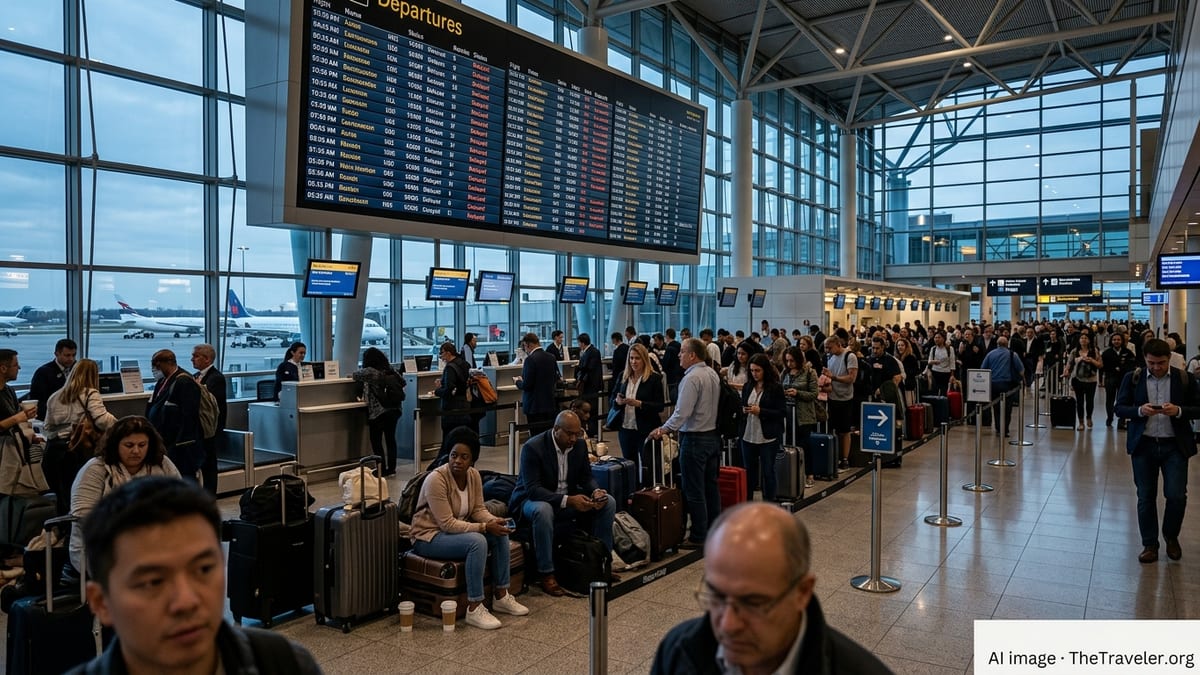
Suspension Extended After Deadly Weekend Strikes
Publicly available information from Saudi Arabia’s General Authority of Civil Aviation indicates that operations at King Khalid International Airport remain suspended following multiple attacks over the weekend. Reports describe at least one major strike on Saturday that hit a passenger terminal, killing at least 12 to 13 people and injuring more than 300 others. Subsequent projectiles and missile interceptions near the airport prompted officials to keep runways and terminal operations closed while damage assessments continued.
Coverage by regional and international outlets shows that the suspension, first announced after the weekend attacks, has now been extended with no clear time frame for a full reopening. Some reports cite an extension of the closure until at least later in the week, while civil aviation notices emphasize that resumption of flights depends on the completion of safety inspections and confirmation that airport infrastructure is secure.
Authorities have focused on inspecting terminal buildings, boarding gates and apron areas where aircraft park, as well as critical systems such as fuel lines, navigation aids and power supplies. Public statements emphasize that flights will not resume until structural checks are complete and risk levels are reassessed in coordination with aviation and security agencies.
Impact on Airlines and Flight Schedules
According to published airline statements and aviation tracking data, the extended closure has forced a broad range of carriers to cancel or reroute services into the Saudi capital. Major regional and international airlines serving King Khalid International Airport, including carriers based in Europe, South Asia and the Gulf, have announced temporary suspensions of Riyadh operations or diversions to other Saudi cities.
Indian media coverage notes that airlines such as Air India and IndiGo have canceled or diverted flights scheduled to land in Riyadh, citing the continuing security situation and the suspension of airport operations. Other carriers, including Lufthansa and additional Gulf and Asian airlines, have also paused services or adjusted their schedules, creating knock-on delays across connecting networks.
Passengers with tickets to or from Riyadh are being offered rebooking options where possible, with some airlines allowing changes to alternative Saudi gateways such as Jeddah or Dammam without additional change fees. However, publicly available booking information shows that seat availability on alternative routes is limited, especially for near-term travel dates, and some travelers are facing multi-day delays before they can secure replacement itineraries.
Guidance for Affected Travelers
Travel advisories from foreign ministries and airline notices urge passengers not to travel to Riyadh’s King Khalid International Airport until they have received written confirmation that their flight has been retimed or rerouted. With the airport fully closed to regular passenger traffic, travelers arriving in Saudi Arabia are being advised to use other international hubs in the kingdom and continue overland or via domestic flights once services stabilize.
Airlines are directing customers to manage disrupted bookings through official websites, mobile apps and call centers rather than at the airport itself, given that terminal access around Riyadh remains tightly restricted. Flexible booking policies vary by carrier, but many are allowing one-time date changes or refunds for journeys that specifically include Riyadh during the closure period.
Travelers transiting through Riyadh who have yet to start their journeys are encouraged to contact their airline or travel agent as early as possible, since alternative routings through cities such as Dubai, Doha, Jeddah or Istanbul may sell out quickly. Publicly available information also suggests that some carriers are waiving change fees for passengers willing to reroute through different Gulf or regional hubs until services to Riyadh resume.
Regional Airspace and Security Considerations
The latest closure at Riyadh’s main airport follows years of Houthi missile and drone activity directed at airports and other infrastructure in Saudi Arabia. Conflict-monitoring reports and United Nations documentation show that airports in Abha and other southern cities have previously been targeted, prompting temporary flight suspensions and enhancements to air defense and warning systems.
Aviation risk assessments produced for commercial operators note that missile and drone launches from Yemen can threaten air corridors used by civilian traffic across parts of the Arabian Peninsula. As a result, some carriers have already adjusted flight paths or cruising altitudes over the region, while others have adopted stricter operational thresholds that trigger diversions whenever military activity is reported near key waypoints.
Travel risk consultancies observing the current situation highlight that airspace above and around Riyadh remains subject to rapid operational changes. While Saudi air defenses intercept many incoming projectiles, each interception can still prompt temporary airspace restrictions, affecting arrival and departure sequences for nearby airports even when terminals themselves are not directly hit.
What the Closure Means for Upcoming Travel Plans
For travelers planning trips to Riyadh in the coming days, publicly available information points to a high likelihood of continued disruption. Airline schedules for the week show widespread cancellations on routes into King Khalid International Airport, and booking engines either block sales or flag Riyadh as unavailable for near-term travel dates.
Travel experts advise monitoring both airline alerts and official travel advisories before committing to new bookings involving the Saudi capital. Those with nonessential trips are being encouraged to delay travel until there is clear public confirmation that airport operations have resumed at scale, including the restoration of international arrivals and departures and the lifting of broader airspace restrictions around the city.
Business and leisure travelers with essential reasons to visit Saudi Arabia may find it more practical in the short term to route via alternate gateways and continue by domestic services once conditions permit. However, given that timetables and safety assessments remain fluid, the most reliable strategy for now is to maintain flexible plans, avoid tight connections, and verify all segments of a journey shortly before departure.