


More news on this day
Scotland’s national rail operator has issued urgent heatwave travel advice as temperatures climb toward 30 degrees Celsius and above, prompting warnings of potential disruption and renewed scrutiny of how rising heat is affecting the United Kingdom’s rail network.
Get the latest news straight to your inbox!
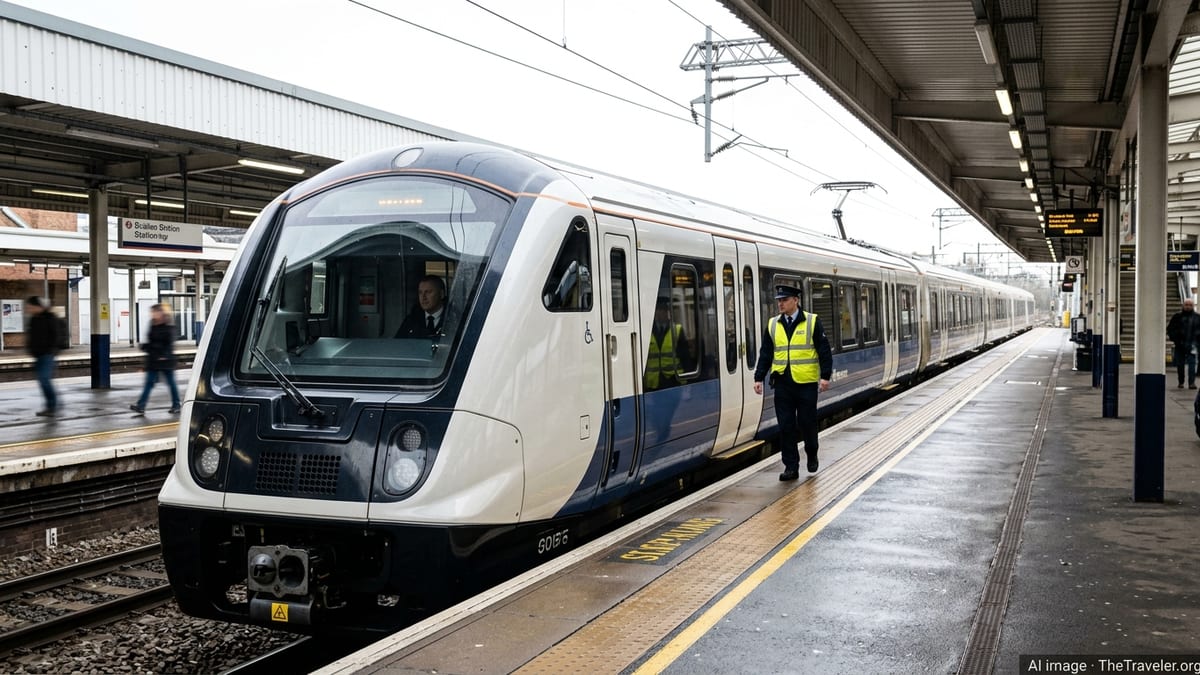
Heatwave Conditions Put Scotland’s Railway Under Pressure
The latest Met Office forecasts indicate that much of Scotland will experience unusually high temperatures through the middle of the week, with some central and eastern areas expected to approach or exceed 30 degrees Celsius. Publicly available information shows that these conditions are part of a wider UK heatwave that has already triggered reduced timetables and safety restrictions on rail routes in England and Wales.
Reports indicate that Scotland’s Railway, the partnership including ScotRail and Network Rail Scotland, is preparing for similar challenges on key intercity, commuter and rural lines. While Scotland is outside the rare red extreme heat warning currently focused on parts of southern Britain, rail managers are treating the forecast as a significant test of infrastructure designed for cooler conditions.
According to published coverage, the combination of prolonged sunshine, high track temperatures and already busy summer travel patterns is increasing the risk of delays, speed restrictions and short-notice alterations. Passengers are being urged to check journey planners before setting out and to allow extra time in case services are disrupted.
Why High Temperatures Disrupt Train Services
Technical briefings from Network Rail and UK rail safety bodies explain that steel rails expand as they heat up, which can increase the risk of track buckling if temperatures rise faster than the engineering tolerances built into the network. In a heatwave, track temperatures can run significantly higher than the air temperature, especially on exposed sections of line.
To manage that risk, infrastructure controllers often impose temporary speed restrictions, slowing trains so that dynamic forces on the rails are reduced. While this lowers the chance of track damage, it also lengthens journey times and can create knock-on delays across interconnected routes. Publicly available guidance notes that overhead power lines can also sag in extreme heat, adding another layer of operational constraint in electrified corridors.
In parallel, passenger comfort and safety become more difficult to maintain. Older rolling stock and crowded commuter services may struggle to keep interiors cool, and there is higher demand for drinking water and medical support for vulnerable travelers. Recent rail-industry briefings around the UK highlight how operators are being encouraged to provide clearer advice on carrying water, wearing light clothing and seeking help if feeling unwell while on board.
ScotRail’s Travel Advice for Passengers
ScotRail has issued updated guidance urging customers to plan ahead, monitor service information frequently and consider whether journeys are essential during the hottest parts of the day. According to information posted through official channels and reported by Scottish media, passengers are being reminded that services may be slower than normal, with short-notice changes possible if infrastructure temperatures exceed expected thresholds.
Travelers are being advised to check digital journey planners and station departure boards before leaving home, and again immediately before boarding any connecting service. Where possible, passengers are encouraged to travel earlier in the morning or later in the evening, when conditions are marginally cooler and the rail network may be under less heat stress.
Published advice also stresses basic heat safety: carrying sufficient drinking water, keeping electronic devices charged in case of delays, and being prepared for busier trains as people adjust their plans around the forecast peak temperatures. ScotRail’s messaging aligns with UK-wide guidance that recommends passengers avoid unnecessary travel if they are particularly susceptible to heat or if their journey crosses routes where significant restrictions are already in place.
Knock-on Effects Across the Wider UK Network
The Scottish warnings come as other UK operators announce amended timetables and cautionary travel advice in response to the same heatwave pattern. Coverage from regional rail companies in western and central England describes significantly reduced services, with some urging customers to travel only if necessary on the hottest days. These measures reflect a broader effort to keep trains running safely while minimising the risk of infrastructure failure during the peak of the heat.
Network Rail has previously highlighted that modernisation and climate adaptation work is under way across Britain’s railways, including the use of different rail-stressing techniques and materials to cope with more frequent periods of extreme temperature. However, independent assessments of UK transport resilience have repeatedly noted that existing infrastructure still faces challenges when exposed to conditions that were once considered rare.
For travelers heading between Scotland and the rest of the UK, this means planning for the possibility of disruption well beyond the Scottish border. Long-distance services can be affected by restrictions hundreds of miles away, and passengers may find that onward connections in northern England or further south are subject to additional delays, replacement buses or emergency timetables introduced at short notice.
Climate Change and the Future of Summer Rail Travel
Transport and climate policy documents from the Scottish Government and UK-wide agencies anticipate that heatwaves are likely to become more frequent and intense in the coming decades. Rail is identified as one of the transport modes most vulnerable to prolonged high temperatures, both because of the physics of track expansion and because of the concentration of passengers in enclosed carriages.
Industry and government adaptation plans set out measures such as upgrading track materials, refining stressing regimes, improving real-time monitoring of rail temperatures and enhancing station facilities to offer shade and cooling in urban hubs. There is also growing emphasis on public communication, ensuring that travelers understand why safety-driven restrictions are put in place and how best to plan around them.
For now, the immediate focus in Scotland is on guiding passengers through this week’s heatwave while maintaining as much connectivity as conditions allow. As temperatures climb, the current ScotRail advice serves as a reminder that summer rail travel in the UK increasingly requires flexibility, extra preparation and a close eye on the forecast as well as the timetable.