


More news on this day
A Link light rail train derailment near Seattle’s downtown core has led to a sudden suspension of service on parts of the regional rail network, stranding riders and triggering a scramble for replacement buses and alternate routes across the city.
Get the latest news straight to your inbox!
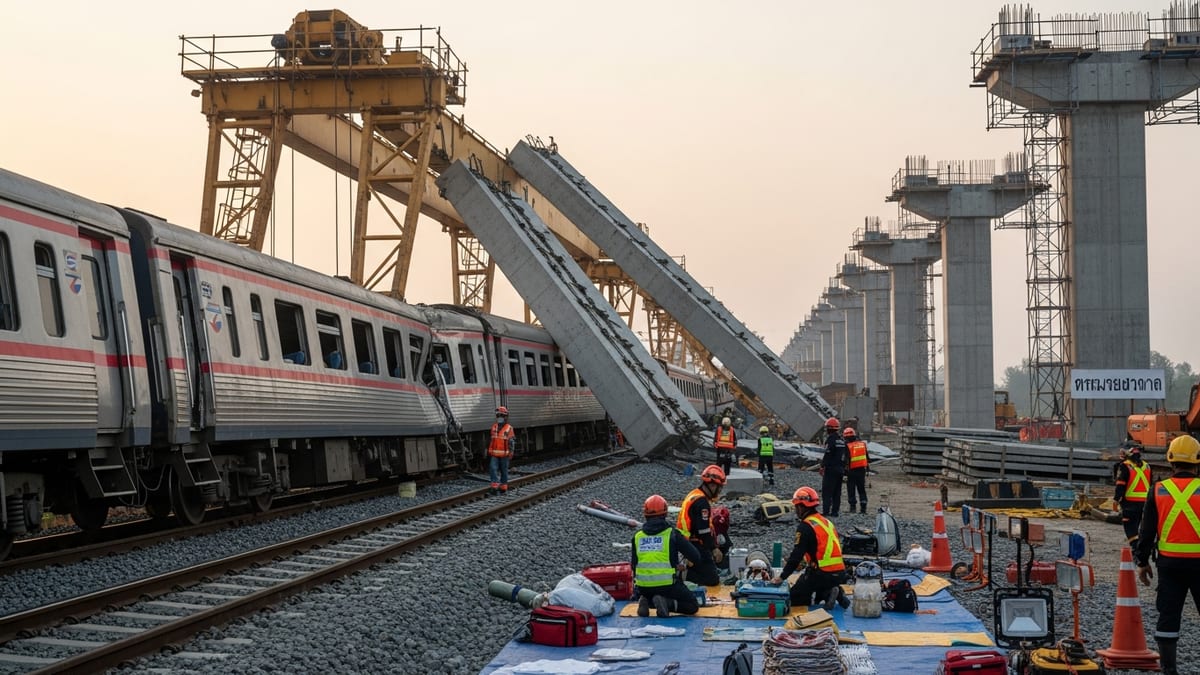
Service suspension after downtown derailment
Publicly available information and rider accounts indicate that a Link light rail train derailed near the International District/Chinatown area, prompting an immediate shutdown of service through the central segment of the system. Initial details suggest the incident occurred in or near the Downtown Seattle Transit Tunnel, a critical corridor that carries both airport-bound trains and north–south commuter traffic.
Reports from riders on board and at nearby stations describe trains braking abruptly and then being held for extended periods before passengers were asked to leave rail cars and clear platforms. Some trains were reportedly turned back before reaching downtown, while others were taken out of service at the next available station as staff worked to stabilize operations.
Early indications point to no serious injuries, but the derailment has severely reduced capacity on one of the region’s busiest transit links. With power to overhead lines reportedly shut off in the affected tunnel section, crews have been working to secure the derailed train, assess track and signal damage, and determine when limited operations can safely resume.
Key light rail segments shut down or curtailed
Following the derailment, service patterns across the Link network shifted quickly. Trains on the 1 Line and 2 Line were reported turning back at Stadium Station to the south and at Judkins Park and Capitol Hill stations to the north, effectively cutting the central spine of the system into separate fragments.
North of downtown, riders described frequent holds and announcements of “extended delays,” with some trains terminating short of their usual destinations. Recent weeks have already seen intermittent reduced service between Northgate and University of Washington stations due to ventilation and power-related issues, and the new derailment has added stress to an already strained segment.
To the south, airport-bound travelers experienced longer waits and more crowded trains as rail operators prioritized keeping service running between Angle Lake, SeaTac, and Stadium, while avoiding the disabled train in the tunnel. Published coverage of past incidents shows that Sound Transit has previously suspended all service through downtown while damaged trains were removed and safety systems checked, and the current disruption appears to be following a similar pattern.
Replacement buses and alternate transit options
As rail service ground to a halt through downtown, attention turned to bus bridges and alternate routes. King County Metro and Sound Transit typically activate emergency shuttles when Link service is suspended for a prolonged period, including a designated Route 97 shuttle that replaces 1 Line trains through the core corridor during major outages.
Rider reports from the latest derailment describe efforts to set up bus bridges connecting stations on either side of the incident, though some accounts suggested delays in getting enough coaches and drivers in place. In the meantime, travelers heading between North Seattle and downtown were encouraged to use regular bus routes from Northgate, Roosevelt, and the University District, then transfer to surface bus corridors serving the central business district.
For those traveling to and from SeaTac International Airport, publicly available trip-planning guidance pointed to RapidRide and express bus routes connecting downtown with the airport area, as well as rideshare and taxi services. Past service disruptions in the region have also seen riders redirected onto commuter rail, but the timing and location of the derailment limited the usefulness of those options, especially for trips focused on central Seattle.
Wider impact on commuters and visitors
The derailment and subsequent suspension of service hit at a time when Link light rail has become a primary way for visitors and residents to reach downtown attractions, sports stadiums, and the airport. The 1 Line carried tens of millions of passengers in 2025, making it the backbone of regional transit. Any shutdown in the tunnel section effectively severs fast, frequent rail connections between Northgate, central Seattle, and key destinations to the south.
Travelers reported missed flights, delayed connections, and crowded transfers as they moved from rail platforms to street-level bus stops. Some riders turned to app-based ride services to bridge gaps left by the suspended trains, underscoring how unplanned rail incidents can spill over onto other modes and increase congestion on already busy streets.
For visitors unfamiliar with local routes, the disruption added complexity to reaching hotels, cruise terminals, and neighborhoods that are usually a straightforward train ride from the airport. Some riders expressed frustration that trip-planning apps did not immediately reflect the suspended service, making it difficult to identify the best detours in real time.
Ongoing investigation and travel advice
Investigators are expected to focus on the cause of the derailment, including the condition of track and switches in the tunnel segment, recent maintenance history, and any potential issues with train equipment. Public transportation safety reports for the region have documented past rail incidents ranging from vehicle collisions at grade crossings to equipment faults, and agencies typically conduct detailed reviews before fully restoring normal service.
Until full operations resume, travelers moving through Seattle are advised, based on published guidance from previous disruptions, to allow extra time, check current service alerts before leaving, and consider backup routes that use both rail and bus. For north–south trips that would usually rely on Link, this may mean combining neighborhood buses with remaining rail segments, or using express buses and RapidRide lines that parallel parts of the 1 Line corridor.
As crews work to clear the derailed train and confirm the safety of the affected tracks, agencies are expected to adjust shuttle routes and rail frequencies to match demand. Visitors planning trips in the coming days are encouraged to monitor local transit alerts and be prepared to modify itineraries, especially for time-sensitive journeys such as airport departures and cruise departures.