


More news on this day
Light rail service through Seattle’s International District/Chinatown Station resumed after an empty train derailed near the station over the weekend, disrupting downtown travel and triggering an intensive round of track inspections and repairs.
Get the latest news straight to your inbox!
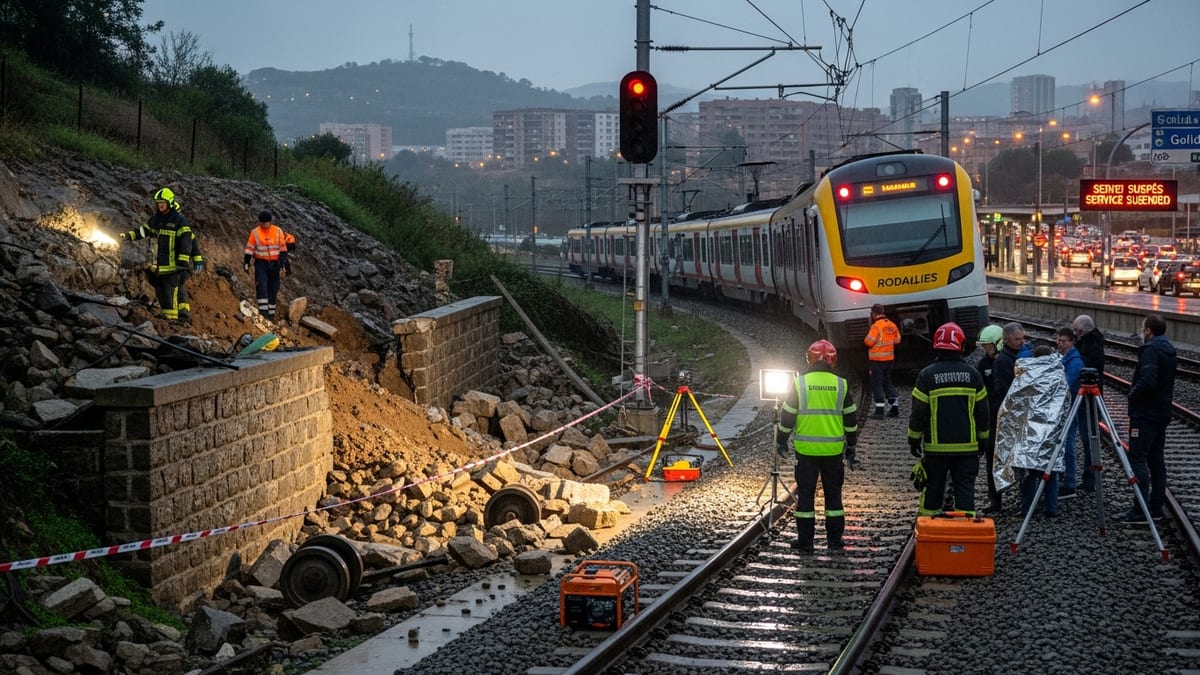
Weekend derailment halts trains through downtown core
According to published coverage and rider accounts posted online, the derailment occurred late Saturday near the International District/Chinatown Station, often referred to as CID Station, on the central spine of the light rail network. The train involved was not carrying passengers and was operating out of service when it came off the tracks at low speed while negotiating a crossover near the station.
Reports indicate the incident blocked one of the system’s most critical pinch points, where trains serving North Seattle, the airport, and the Eastside all funnel through the same downtown segment. Riders returning from evening events, including a major concert, described crowded platforms and long waits as trains were held out of the station and service patterns shifted on short notice.
Publicly available information shows there were no injuries and no collision with another train or vehicle. However, the position of the derailed cars and the need to protect track workers required a full suspension of service through the immediate area while a specialized re‑railing and inspection operation took place.
Crews worked into the night to stabilize the equipment and assess track and switch components at the crossover where the derailment occurred. Transit alerts and local media coverage on Sunday morning noted that trains remained out of service through downtown while the light rail operator and contractors completed structural and electrical checks.
Shuttle buses and alternate routes ease disruption
With trains unable to pass through the International District/Chinatown bottleneck, the regional network was effectively split into multiple segments. Riders on the North Link corridor were advised to transfer to buses at downtown stations, while those on the south and Eastside portions of the system were directed to shuttle services bridging the gap around the closure.
Based on rider reports shared on social media, substitute bus bridges operated between key stations to maintain access to major destinations, including the stadium district and neighborhoods south of downtown. Some passengers opted to walk between nearby stations to bypass the disruption, particularly those familiar with surface transit options and frequent downtown events.
The timing of the derailment amplified its impact. The incident unfolded as crowds left large weekend events, concentrating demand in a narrow window when trains are typically packed. Travelers described extended waits at platforms and uncertainty about which services were still operating, even as real‑time alerts and station announcements were updated throughout the evening.
Despite the inconvenience, the absence of injuries and the relatively low speed of the derailment limited the physical damage compared with higher‑energy rail incidents. Publicly available information indicates that the main challenges for the operator involved clearing the disabled train, verifying the integrity of the switching equipment, and coordinating alternative transportation in the dense downtown environment.
Repairs, inspections and gradual restoration of service
By Sunday, maintenance teams had removed the derailed train and shifted focus to repairing and realigning affected track components. Discussion threads referencing internal radio traffic suggested that some bolts and other hardware were damaged at the crossover, necessitating detailed inspections before normal light rail speeds could resume through the area.
Industry practice in similar derailments typically requires a combination of visual inspections, measurements of track gauge and alignment, checks on signaling and switch mechanisms, and, where necessary, replacement of worn or damaged parts. In this case, publicly available updates indicated that rail infrastructure crews worked through the night and into Sunday to complete these steps, allowing test trains to run over the affected section before regular service restarted.
Once the tracks and switches passed inspection, trains began moving through the International District/Chinatown area under controlled conditions. Initial service often returns at reduced speeds or with additional monitoring, a pattern seen in previous light rail and metro incidents in other cities. Over the course of the morning, headways and operating patterns were adjusted back toward the normal weekend schedule.
By the time full service was restored, most of the visible signs of disruption had shifted from the tracks to ongoing customer communications. Transit riders reviewing the incident online expressed relief that the closure was measured in hours rather than multiple days, as sometimes occurs when derailments severely damage track, overhead power, or third‑rail components.
Questions over crossover design and system resilience
The derailment near CID Station has prompted questions from riders and transit enthusiasts about the design and maintenance of the downtown crossover, a three‑track configuration used to turn trains and balance capacity between the different lines. Publicly shared diagrams and commentary note that these crossover locations involve complex switchwork and signaling, which must be carefully maintained to prevent wheelsets from taking divergent routes.
While the precise technical cause of the derailment has not yet been detailed in official documentation, past investigations in other systems have often pointed to factors such as switch alignment issues, track gauge problems, worn components, or operator error. Safety specialists generally emphasize that low‑speed, non‑injury derailments at crossovers, yards or pocket tracks can serve as early warnings about underlying maintenance or inspection needs.
The International District/Chinatown area is a particularly sensitive node for Seattle’s light rail network. It serves as a key transfer point between lines and is one of the few locations where trains can be turned back or rerouted during incidents. As the region expands its rail system, including further Eastside and southward extensions, the reliance on such crossovers is expected to grow, making their reliability and safety performance a continuing focus.
Public discussion following the derailment has also revisited broader questions about system resilience. Riders pointed to the speed with which bus bridges were organized, but also to the strain that even a single disabled train can place on downtown mobility. Urban transit research has documented how unplanned rail outages often push passengers onto parallel bus routes and city streets, increasing congestion and travel times across the network.
Next steps for safety reviews and rider communication
Following incidents of this kind, light rail operators typically conduct internal reviews that examine train handling, equipment performance, and the condition of track and signal infrastructure. In many jurisdictions, rail safety oversight agencies may also review reports or request additional information, especially when an event involves a derailment at a critical junction. Any findings can lead to revised maintenance procedures, new inspection intervals, or changes in how and when crossovers are used during normal operations.
Publicly available information suggests that, in the near term, riders can expect continued monitoring of the International District/Chinatown trackwork and potentially some minor speed restrictions as data are collected on how trains perform over the repaired section. Future service notices are likely to highlight any planned maintenance windows related to the incident, particularly if additional adjustments to the switch or rail geometry are required.
The derailment has also highlighted the importance of clear, timely rider communication in fast‑moving disruptions. Travelers described learning about the incident through a mix of station announcements, transit alerts and social media posts, with varying levels of detail. Transit agencies across North America have increasingly relied on real‑time notifications and mobile apps to guide passengers to alternative routes when rail segments are unexpectedly closed.
For regular users of the Seattle light rail system, the swift restoration of service at CID Station provides reassurance that the network can rebound quickly from localized equipment failures. At the same time, the weekend disruption has renewed calls from riders and transit advocates for sustained investment in maintenance, robust redundancy at key junctions, and transparent reporting whenever a train leaves the rails, even at low speed and without injuries.