


More news on this day
Japan’s Seibu Railway is preparing a major fleet overhaul for 2028 that breaks with the rail industry’s traditional scrap-and-buy cycle, opting to upcycle more than 100 existing commuter train cars instead of replacing them with brand-new stock.
Get the latest news straight to your inbox!
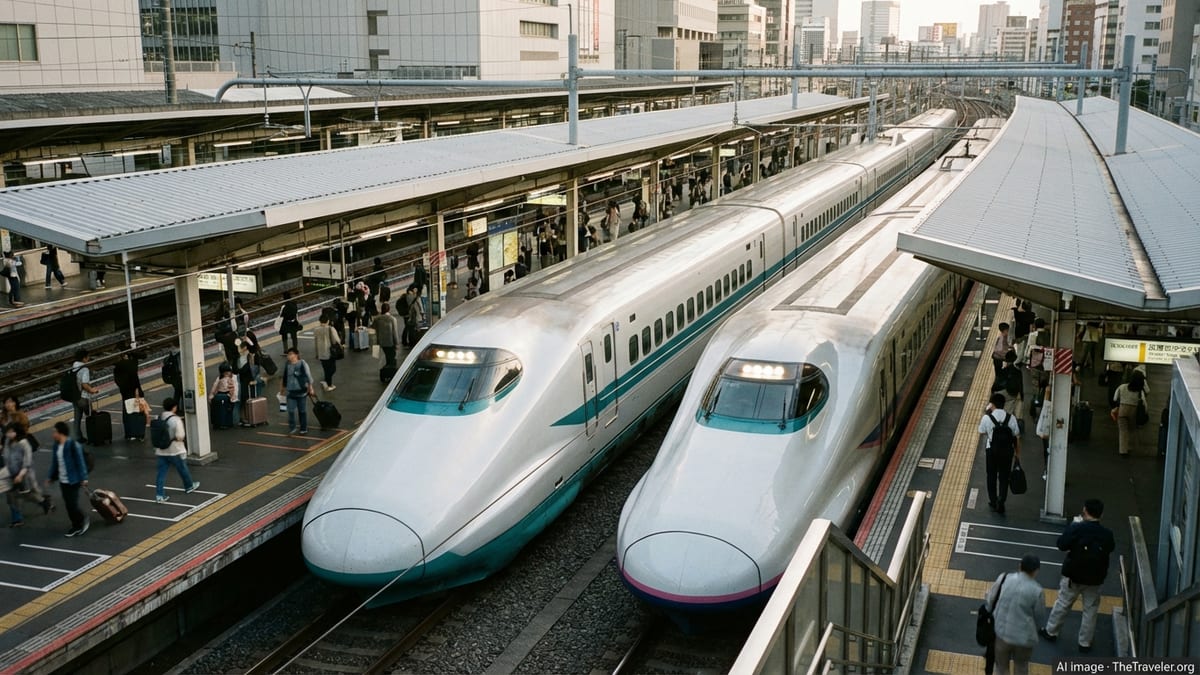
From Scrapping to Upcycling on Tokyo Commuter Lines
According to recently published industry coverage, Seibu Railway and Hitachi Rail plan to modernize 144 cars from Seibu’s Series 20000 commuter fleet, with the refurbished trains scheduled to re-enter service progressively from 2028. The work will focus on trains that currently operate on Seibu’s core commuter corridors in the Tokyo metropolitan area, where demand remains strong and rolling stock is heavily used throughout the day.
The decision contrasts with the long-standing approach in many rail markets in which ageing trains are withdrawn and scrapped when a new generation of rolling stock is ordered. Publicly available information indicates that Seibu will instead upgrade the existing vehicles’ systems, interiors and accessibility features, extending their working lives while avoiding the full environmental cost of manufacturing complete new sets.
Reports on the project characterise it as a significant shift in fleet strategy, complementing Seibu’s separate orders for new trains rather than replacing them. The upcycled Series 20000 sets are expected to continue handling high-frequency commuter traffic, while other new trains target premium and tourist markets.
Design Overhaul for Seibu’s Series 20000 Fleet
Railway-focused outlets reporting on the program state that Hitachi Rail, which originally supplied the Series 20000, will lead the redesign and engineering work. The project scope is understood to include renewal of on-board electrical equipment, improvements to passenger information systems, and changes to interior layouts to support changing travel patterns.
Coverage in Japanese media highlights that Seibu aims to improve comfort and usability, with updates such as more flexible free spaces and priority seating areas designed to respond to diverse mobility needs. These changes align with broader trends across Japan’s private railways, where operators are reconfiguring commuter trains to better accommodate luggage, strollers and wheelchairs without sacrificing capacity.
Externally, the trains are expected to receive refreshed design treatments to visually distinguish the upgraded sets from the current fleet. While detailed renderings have not been widely released, the modernization is being framed as both a technical and aesthetic renewal that preserves the basic structure of the existing cars.
Environmental and Cost Benefits Under Seibu’s Sustainability Agenda
Seibu Group’s sustainability and finance documents outline a strategy that places strong emphasis on carbon reduction and resource efficiency, including the reuse of rolling stock components where feasible. Public materials on the group’s sustainable finance framework note that reusing train cars can significantly reduce lifecycle emissions by cutting both the manufacturing footprint of new vehicles and the disposal burden of older ones.
In earlier disclosures about fleet renewal, Seibu has quantified the potential effect of reusing cars obtained from other operators, estimating substantial reductions in carbon dioxide output at both the production and end-of-life stages. While those figures relate to a separate program, the Series 20000 modernization follows the same underlying logic of extending asset life instead of scrapping rolling stock as soon as it is technologically superseded.
Industry analysis suggests that this approach can also ease capital expenditure pressures. By upgrading core systems and interiors rather than commissioning completely new trains, operators can redirect part of their investment capacity toward safety technologies, digital signaling and station improvements, while still delivering a noticeably improved passenger experience.
Part of a Wider Shift in Seibu’s Fleet Strategy
The Series 20000 upcycling program is only one element of a broader reshaping of Seibu Railway’s fleet ahead of the late 2020s. The company has announced plans for new sightseeing and premium trains, including a fine dining service scheduled to enter operation around March 2028, developed in partnership with Hitachi Rail and intended to build on the success of Seibu’s existing restaurant train.
Other public announcements describe how Seibu is upgrading older limited express stock into new tourism-focused services, refreshing interiors and adding features such as semi-private compartments and bar counters for leisure travelers. These trains are planned to debut around the 2028 fiscal year, indicating that Seibu is synchronizing multiple projects to coincide with expected post-redevelopment demand along key leisure corridors.
At the same time, Seibu continues to pursue a target of converting its fleet to modern, energy-efficient traction systems by around 2030, including the introduction of so-called “sustainable cars” sourced from other private railways. The upcycling of the Series 20000 sits alongside these measures as another route to lower energy use per passenger-kilometer without a wholesale expansion of new-build rolling stock.
Implications for Travelers and the Broader Rail Industry
For everyday passengers, the most visible effect of Seibu’s 2028 upcycling program is likely to be refreshed interiors and updated amenities on familiar commuter trains. Regular users of Seibu’s core lines can expect more modern passenger information displays, enhanced accessibility features and a generally cleaner, more contemporary feel, while the timetable and basic service patterns are expected to remain stable.
More broadly, Seibu’s choice to modernize 144 existing cars rather than rely entirely on new orders adds momentum to a wider rethinking of rail asset management in Japan and beyond. As operators confront rising material costs and increasingly stringent environmental expectations, the balance between scrapping old trains and upgrading them is emerging as a strategic question rather than a purely technical one.
Analysts following the sector note that if Seibu’s project delivers the anticipated improvements in passenger satisfaction and operational efficiency, it could encourage other private railways to adopt similar upcycling programs for mid-life fleets. In that scenario, the traditional scrap-and-buy cycle that defined much of the late 20th century rail industry may gradually give way to a more circular model, with trains undergoing multiple major renewals over their service lives instead of being retired outright.
Railway-News coverage of Seibu Series 20000 modernisation
Hitachi Rail announcement on Seibu fine dining train for 2028
Seibu Holdings sustainable finance framework (sustainability section)
Seibu Railway materials on environmental and rolling stock initiatives