


More news on this day
Travelers using Jackson–Medgar Wiley Evers International Airport are facing severe disruption as multiple regional carriers and Delta Air Lines cancel flights and trigger rolling delays across key domestic routes, according to live airline tracking data and operational reports on June 20, 2026.
Get the latest news straight to your inbox!
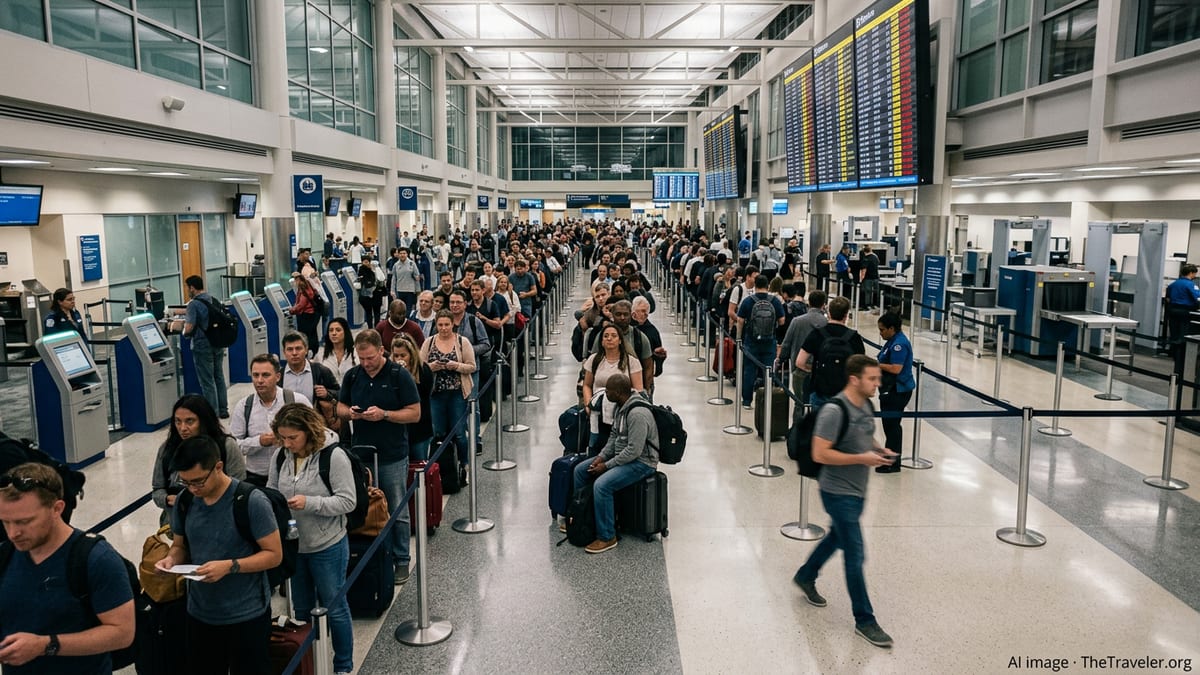
Regional Partners Pull Flights, Stranding Jackson Passengers
Operational data and traveler reports show PSA Airlines and Piedmont, two regional carriers that operate flights for major U.S. networks, have sharply cut back services touching Jackson–Medgar Wiley Evers International Airport. The reductions are contributing to a cluster of cancellations affecting connections through major hubs, particularly in the Southeast and Mid-Atlantic.
These regionals typically provide feeder traffic from Jackson into larger hubs, where passengers connect onward to cities across the United States. When those short-haul segments are pulled from the schedule, travelers can lose not only their initial departure but also their entire itinerary, including long-planned trips tied to events, cruises, and business meetings.
Recent patterns in U.S. airline operations indicate that regional carriers have been cancelling a higher share of flights than mainline operators during periods of disruption, magnifying the impact on smaller and medium-sized airports. Jackson, classified as a small-hub facility, is particularly exposed when these regional schedules are trimmed or reset at short notice.
Publicly available flight-status boards for Jackson show waves of cancellations grouped around peak morning and afternoon departure banks, suggesting that aircraft and crew rotations into the airport are being curtailed to protect operations at busier hubs.
Delta Reduces Frequencies as Weather and Network Pressures Build
Delta Air Lines, historically a key player in Jackson’s commercial air service, is also operating a reduced schedule across parts of its U.S. network, with ripple effects visible in Jackson-bound and Jackson-originating flights. Winter weather earlier in the year prompted significant cuts out of Atlanta and other hubs, and the carrier has recently been using schedule adjustments and advance waivers to manage high-risk travel days.
Published industry coverage of recent operations shows that Delta has periodically trimmed departures during severe weather systems and air-traffic constraints, especially at major connecting hubs that feed smaller airports. When mainline flights are consolidated or retimed at those hubs, corresponding regional legs that serve cities such as Jackson often face delays or cancellation.
Travelers connecting through Atlanta, Dallas–Fort Worth, and Charlotte report longer-than-expected ground holds and missed connections linked to Jackson flights, with some itineraries rebooked for arrivals many hours or even a full day later than originally planned. These delays are consistent with a pattern in which airlines prioritize aircraft and crews on trunk routes and international services before restoring regional segments.
Advisories distributed through airline apps and email channels indicate that passengers on affected Delta and regional partner routes are being encouraged to rebook where possible, with limited same-day seat availability on alternative flights out of Jackson.
Network-Wide Strains Push Delays Across Major U.S. Routes
The turmoil at Jackson–Medgar Wiley Evers International Airport is unfolding against a broader backdrop of strain in the U.S. air travel system. In recent days, storms have triggered ground delays and hundreds of cancellations at large airports in the Midwest, contributing to congestion that reverberates through airline networks and ultimately affects smaller markets.
When major hubs experience extended ground stops or volume restrictions, aircraft and crews can be left out of position, forcing carriers to reset rotations and trim schedules in subsequent waves of flying. Industry analysis and dispatcher commentary indicate that this knock-on effect often reaches regional flights first, leaving airports like Jackson with disproportionate disruption compared with their size.
Current operational snapshots from other airports show elevated cancellation rates among regional operators, including PSA and Piedmont, as carriers attempt to recover from weather and air-traffic bottlenecks. As these airlines serve as key connectors into national networks, each scrubbed departure from Jackson can cascade into multiple missed connections on longer routes across the country.
Travel analysts note that these kinds of rolling disruptions are becoming more visible to passengers as mobile apps and tracking tools provide near real-time updates, but they can still be difficult to interpret, especially when schedule changes are made in stages throughout the day.
What Travelers Through Jackson Should Expect Today
For passengers scheduled to depart from or arrive at Jackson–Medgar Wiley Evers International Airport on June 20, 2026, the prevailing picture is one of uncertainty and longer travel times. Publicly available schedule boards show a mix of outright cancellations, significant delays, and a smaller number of on-time departures, varying by airline and destination.
Travelers connecting through major hubs on PSA, Piedmont-operated flights, or Delta mainline services should anticipate potential missed connections and last-minute gate changes. Live operations data indicates that some itineraries are being proactively rerouted through alternative hubs where seats are available, while others are being shifted to flights later in the weekend.
Airport users are also likely to encounter longer queues at check-in and customer-service counters as passengers seek rebooking options, travel credits, or overnight accommodations. Industry experience suggests that, during peak disruption periods, automated rebooking through airline apps and websites can be faster than waiting at staffed counters, though availability remains constrained on heavily affected routes.
Ground transportation providers serving Jackson report heightened demand from travelers choosing to drive to larger hubs or nearby cities in search of more flight options. This pattern often emerges when regional cancellations outpace the ability of carriers to re-accommodate passengers locally.
Practical Steps and Planning Tips for Affected Flyers
Public-facing travel guidance from airlines and consumer advocates emphasizes the importance of monitoring flight status frequently on days of widespread disruption. For Jackson passengers, this means checking for schedule changes well before leaving for the airport and continuing to refresh departure boards and mobile app alerts while in transit.
Travel experts generally recommend that passengers with time-sensitive commitments consider voluntary changes when airlines issue flexible travel policies or waivers for affected routes. While availability can be limited, rebooking to earlier flights, alternative hubs, or even nearby airports can sometimes preserve critical connections.
Those already at Jackson–Medgar Wiley Evers International Airport are advised to keep boarding passes, identification, and any rebooking documentation readily accessible, as multiple checks may be required when itineraries are altered. Keeping receipts for meals and lodging may also be prudent for travelers seeking compensation or reimbursement where applicable under airline policies.
For upcoming trips in the next several days that route through Jackson, travel-planning resources recommend building in additional buffer time, avoiding tight connections, and considering travel insurance or refundable fares on itineraries that cannot tolerate significant delays. With PSA Airlines, Piedmont, and Delta all adjusting operations that touch Jackson, a conservative approach to timing and flexibility may help limit the knock-on effects of the current wave of cancellations.