


More news on this day
A powerful line of severe thunderstorms sweeping across western Illinois has derailed a BNSF Railway freight train near Monmouth, blocking key mainline tracks and disrupting both freight and passenger movements through one of the Midwest’s busiest rail corridors.
Get the latest news straight to your inbox!
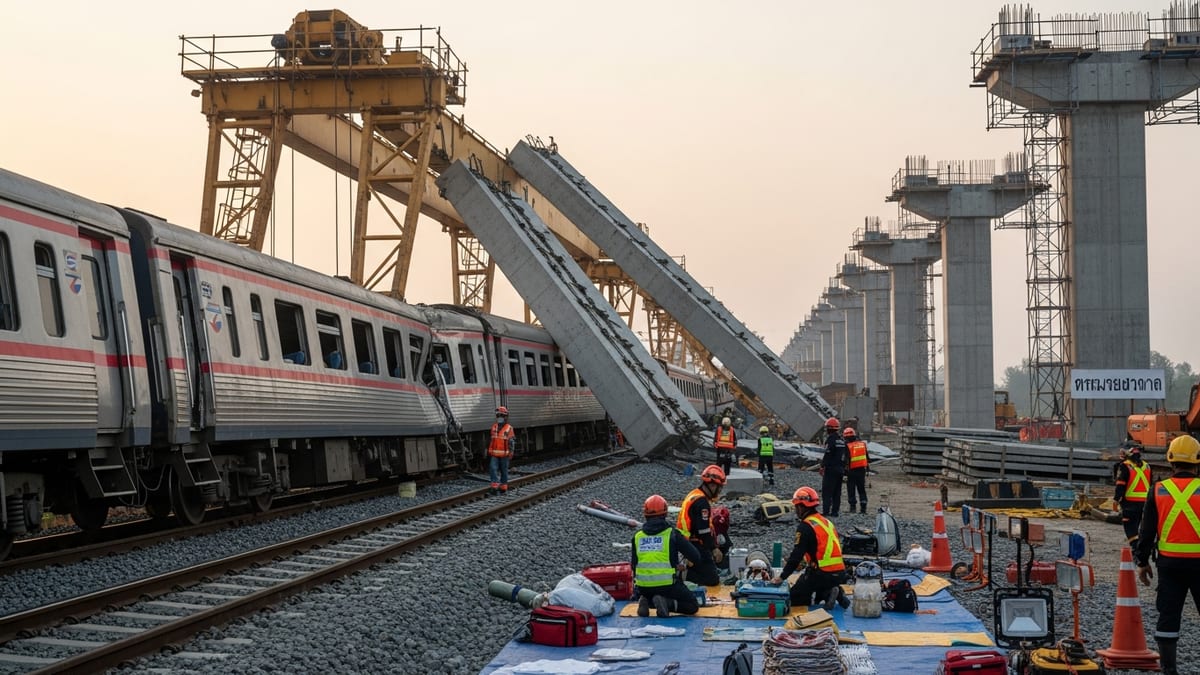
Derailment near Monmouth halts traffic on major BNSF corridor
Initial reports from regional media and rail-tracking communities indicate that the derailment occurred near Monmouth on a primary BNSF east west main line used heavily for intermodal, grain and general merchandise traffic. Several cars reportedly left the tracks during the height of the storms, creating a pileup that has rendered multiple tracks impassable.
Publicly available train-status information shows long freight consists holding at sidings on both sides of the incident zone as dispatchers attempt to reroute or stage traffic. Rail observers describe a rapid buildup of congestion across western Illinois as additional trains approach the affected area and are forced to stop short of the blockage.
As of Thursday, there were no immediate indications in public reporting of serious injuries, and no clear evidence that hazardous materials had been released. However, the extent of damage to rolling stock, track, and signaling equipment remains unclear, and rail operations professionals expect recovery to take many hours, if not longer, depending on the severity of the track damage.
According to publicly accessible railroad operations data, the affected line forms part of a major transcontinental BNSF route linking the West Coast with Chicago and other Midwestern hubs. Any extended outage at this location is likely to ripple across national freight flows, particularly for time sensitive intermodal shipments moving between ports and inland distribution centers.
Storm driven winds and flooding suspected in the derailment
The derailment near Monmouth coincided with a fresh round of severe weather that has hammered Illinois and neighboring states in mid June. Forecast discussions and storm outlooks from meteorological services describe an unusually volatile pattern over the Midwest, with fast moving supercell thunderstorms, damaging straight line winds and localized flooding affecting large swaths of northern and central Illinois.
Recent storm analyses released for the region highlight wind gusts that have exceeded 70 miles per hour in parts of Illinois, along with torrential rainfall that has left soils saturated and drainage systems under strain. In previous rail accidents across the Midwest, similar conditions have contributed to track washouts, embankment failures and debris on the right of way, any of which can threaten trains already on the move.
While the precise trigger of the BNSF derailment near Monmouth has not yet been established in publicly available material, the timing alongside the latest severe weather wave has led observers to focus on the potential role of storm impacts along the line. Rail safety case studies in the region have documented how intense rainfall and flash flooding can undercut ballast and bridge approaches, while high winds can bring trees and large debris onto tracks or directly impact moving trains.
Special weather bulletins issued for Illinois in recent days have underscored the risk of additional tornadic activity, large hail and damaging wind clusters. For railroads, these conditions often prompt slow orders, extra track inspections and temporary halts to operations; however, heavily trafficked main lines remain particularly exposed when storms intensify faster than forecast or strike over wide areas simultaneously.
Freight logistics and passenger travel face knock on delays
The BNSF main line involved near Monmouth functions as a high volume freight artery, carrying unit grain trains from the Plains, intermodal traffic tied to coastal ports, and mixed freight serving Midwestern industries. Disruption on this route can quickly translate into missed connections at rail hubs, delayed handoffs to other carriers and congestion at classification yards hundreds of miles away.
Rail timetable information and anecdotal accounts from travelers suggest that the derailment is already influencing passenger rail operations that depend on access to BNSF tracks in the wider region. Where reroutes are available, passenger trains may face longer journey times and altered stopping patterns as they share capacity with freight traffic relocated from the blocked segment.
For shippers, even a short term outage can lead to rebalancing of truck and barge capacity as customers seek alternative routes for critical loads. Logistics analysts often note that disruptions on Midwestern rail lines during the summer storm season can compound broader supply chain challenges, especially when they coincide with peak intermodal flows or ongoing power restoration and infrastructure repair after major weather events.
The degree of impact on national freight flows will depend heavily on how quickly BNSF can reopen at least one track through the area. In past incidents, limited single track operations have sometimes been restored within a day to relieve the most acute congestion, with full capacity following only after more extensive track and signal repairs.
Cleanup, inspections and safety reviews likely to follow
Standard post incident procedures in similar derailments typically begin with securing the site, assessing any potential fuel or cargo leaks, and removing derailed cars with heavy equipment. Track crews then work to repair or replace damaged rails, ties and ballast, while signal and communications specialists inspect and restore control systems before traffic can safely resume.
In cases where severe weather is suspected as a contributing factor, railroads and safety regulators often conduct expanded inspections along the affected corridor to identify additional vulnerabilities. These can include soft spots in embankments, erosion around culverts and bridges, and damage to wayside power or communications infrastructure that might not be immediately visible from passing trains.
Publicly available safety reports from previous Midwest derailments show that investigators frequently consider whether earlier weather alerts, flood warnings or wind advisories should have prompted slower speeds, additional patrols or temporary suspensions of service. Over time, such reviews can lead to changes in railroad storm response protocols, investments in improved drainage and embankment protection, and enhanced monitoring of problem locations.
Given the intensity of this month’s storms across Illinois and neighboring states, transportation observers expect renewed scrutiny of how rail infrastructure is coping with more frequent episodes of extreme weather. The Monmouth derailment is likely to be watched closely by rail users and communities along the corridor as more details emerge about the sequence of events and the condition of the line before the train left the tracks.
Travelers advised to monitor updates as storms continue
For travelers across the Midwest, the derailment near Monmouth comes amid a broader pattern of weather driven disruption to road, air and rail transport. Severe storms in recent days have already produced widespread power outages, downed trees and temporary closures on highways in Illinois and Indiana, with forecasters warning that further rounds of intense storms remain possible.
Passenger rail customers planning journeys that involve BNSF hosted routes, particularly those connecting to Chicago or crossing western Illinois, are being encouraged through publicly accessible advisories to check the latest status of their trains before departing. In recent weather events, some services have experienced multi hour delays or substitution by buses when tracks ahead became unavailable.
Local communities around Monmouth are likely to see an increased presence of heavy equipment and rail support vehicles as cleanup and repair work continues, along with potential detours or temporary closures on nearby roads used to access the site. Rail safety advocates often urge residents and visitors to maintain extra distance around work zones and to avoid attempting to view derailment sites from unauthorized vantage points.
With the severe weather season in full swing across the central United States, transportation planners and infrastructure managers will be watching closely how quickly rail traffic patterns normalize after the BNSF derailment near Monmouth. The incident offers another reminder of the vulnerability of key transport corridors to fast evolving storm systems, and of the cascading effects such events can have on travel and commerce far beyond the immediate crash site.