


More news on this day
Severe late-summer thunderstorms across several U.S. regions are again disrupting air travel, with fresh ground stops, lengthy tarmac delays, and rolling schedule changes rippling through major hubs and smaller airports alike.
Get the latest news straight to your inbox!
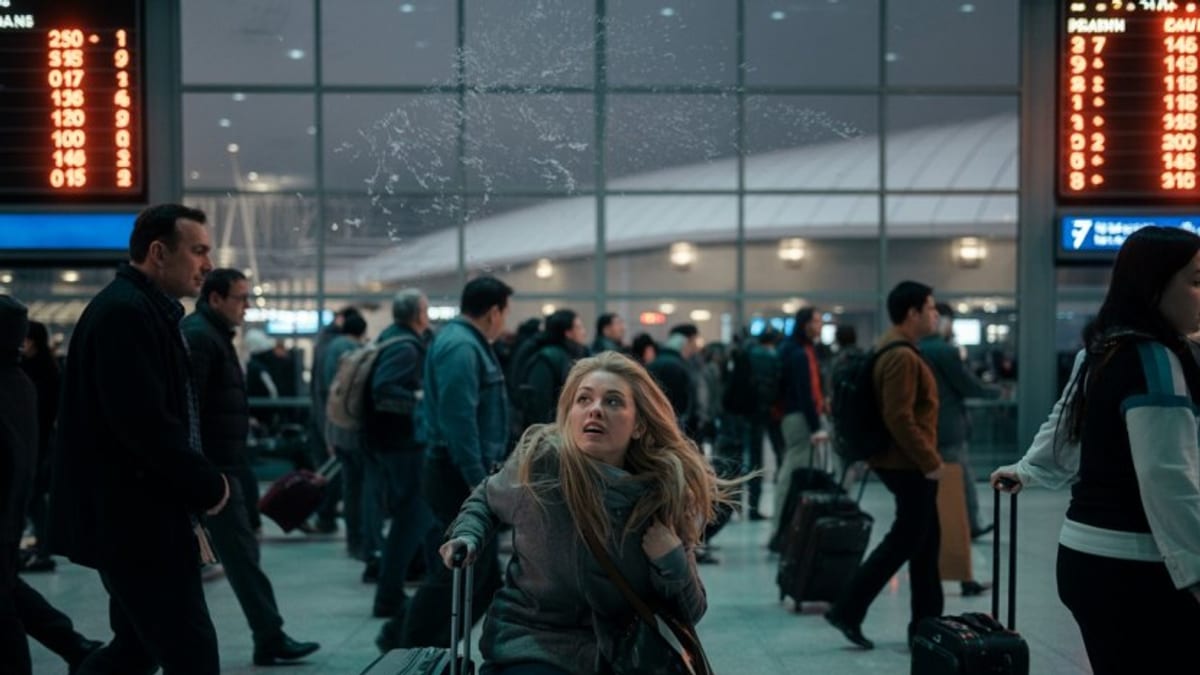
Stormy Pattern Hits Major Hubs Hardest
Publicly available tracking data and recent coverage point to a renewed spell of storm-related disruption at key U.S. airports, particularly in the Northeast, Mid-Atlantic, Midwest, and Rockies. On August 28, industry tracking showed more than 1,500 flights delayed and over 170 canceled within, into, or out of the United States, as thunderstorms snarled operations at New York’s LaGuardia and other large hubs.
Reports describe capacity being sharply reduced when storm cells encroach on approach and departure paths, prompting traffic-management measures that slow arrivals and departures even after the heaviest rain has passed. As aircraft and crews fall out of position, those constraints can translate into delays and cancellations stretching well into the evening and following day.
In recent weeks, multiple hubs have faced similar situations. Severe storms around Chicago O’Hare earlier in August led to back-to-back ground stops and what one analysis described as a global high in daily delays, while North Texas, Florida, and upper Midwest airports have all seen thunderstorms trigger extended waits and flight caps. The pattern underscores how quickly convective weather can push a busy airport network past its limits.
Thunderstorms Drive Ground Stops and Long Delays
According to published coverage from regional outlets, Denver International Airport experienced significant disruption on August 15 when thunderstorms moved onto final approach paths, forcing a temporary ground stop and delaying many arrivals by nearly two hours on average. Similar conditions around Detroit Metropolitan Wayne County Airport on August 22 prompted a halt to departures until storms weakened, with airlines working through a mid-day backlog once operations resumed.
In the Mid-Atlantic, recent storms around Washington’s three major airports led to substantial holding patterns and departure slowdowns. One report on an August 7 event around Reagan National, Dulles, and Baltimore described average departure delays near two hours at the peak, as lightning and strong winds forced traffic reductions and brief suspensions of ramp activity.
The New York–New Jersey corridor has also faced recurring evening thunderstorm complexes. Flight-data summaries from August 21 showed Newark Liberty International reporting multi-hour arrival delays while nearby airports cycled through intermittent ground stops. The National Weather Service had issued severe thunderstorm and tornado watches for parts of New Jersey that evening, citing high humidity and unstable air feeding intense storm cells.
These cases align with broader disruption summaries indicating that severe thunderstorms and heavy rain on August 25 brought widespread delays centered on New York, Philadelphia, Washington, and Baltimore. Those storms affected hundreds of flights and illustrated how conditions at a few tightly connected hub airports can rapidly slow travel nationwide.
Ripple Effects Far Beyond the Storm Zone
Operational analyses emphasize that the most disruptive storms are not necessarily those directly over a given airport, but those blocking key corridors in crowded East Coast and Midwest airspace. When traffic managers activate Severe Weather Avoidance Plans in those regions, routes are narrowed or closed, and ground-delay programs meter flights into constrained hubs.
Because airlines reuse aircraft and crews across multiple legs, a grounded jet in New York or Chicago can translate into a late departure hours later from a city with clear skies. Industry tracking from August 28 highlighted this effect, describing how weather around LaGuardia and other hubs contributed to more than 1,300 delays systemwide even as some origin airports reported relatively benign local conditions.
Travelers have reported spending extended periods on board aircraft awaiting new departure slots when storms repeatedly interrupt flow. Recent firsthand accounts from major carriers’ hub airports describe tarmac waits of several hours as flights cycle between holding for a gap in storms, returning to gates when ramp operations are paused for lightning, and rejoining departure queues once ground stops are lifted.
Regulatory filings from major U.S. airlines note that such interruptions at hub airports can have a “material adverse impact” on operations, given the tendency for summer thunderstorms and the limited ability to reroute large volumes of traffic around saturated airspace. The filings describe weather and air traffic control delays at a few key facilities as capable of affecting a significant portion of a carrier’s daily schedule.
Impact on Passengers and What to Expect Next
For passengers, the current stormy pattern means that even routine summer itineraries can be vulnerable to cascading delays, particularly when itineraries require tight connections through weather-prone hubs. Consumer-facing advisories recommend building in additional connection time and favoring earlier departures, which have a better chance of leaving before the day’s most intense convection develops.
Airlines and third-party travel services have issued guidance noting that aircraft, crews, and travelers can all end up out of place after major storms, with missed connections and rolling rebookings extending disruptions well beyond the initial weather event. Some carriers have responded in the last week by publishing flexible travel waivers for routes touching the New York area and other storm-affected cities, allowing passengers to switch flights within a limited date range without change fees.
Publicly accessible federal advisories from August also show the scale of sudden weather impacts at individual airports. An Air Traffic Control System Command Center notice issued for Orlando earlier in the month, for example, warned of wind shear and possible microbursts and advised that arrival delays of up to 30 minutes were likely. Such notices are part of a continuous flow of updates that can quickly alter the outlook for flights even when skies appear relatively calm at ground level.
With the Atlantic and Pacific tropical seasons entering a more active phase and frontal boundaries lingering over the central and eastern United States, meteorologists expect more days with scattered severe thunderstorms through the end of summer. For air travelers, that means monitoring airline apps and federal airport delay maps closely, and being prepared for rapid changes to departure times when new storm cells build near already busy skies.
Traveler’s Today: Storms snarl LaGuardia, major U.S. hubs
CBS Colorado: Denver International Airport delays and ground stop
Yahoo Travel: Over 1,662 flights delayed amid U.S. storms
Yahoo Travel: Newark and nearby airports hit by thunderstorms