


More news on this day
San Francisco International Airport faced another challenging travel day on July 2 as a combination of low clouds, air traffic spacing limits and ongoing runway construction contributed to delays and cancellations affecting major carriers including United Airlines, Air Canada and Southwest Airlines.
Get the latest news straight to your inbox!
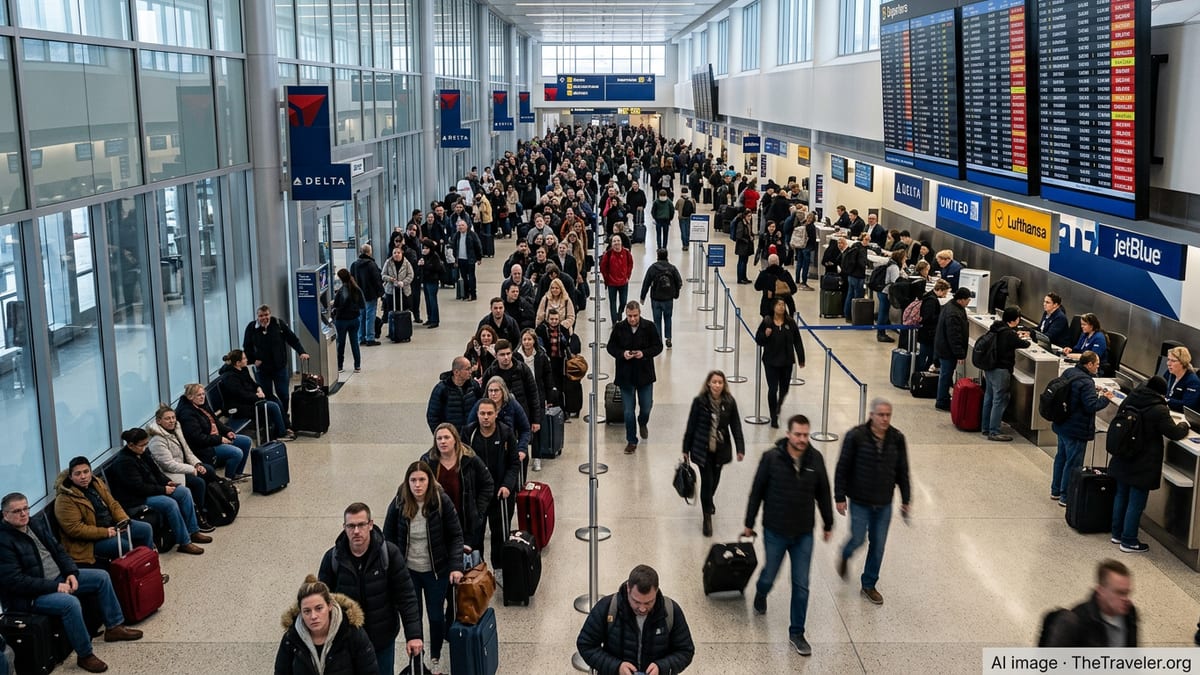
Weather, runway work and FAA spacing converge at SFO
Publicly available air traffic data for Thursday shows San Francisco International Airport listed among facilities subject to potential ground delay programs as afternoon traffic builds, with low ceilings and marine-layer clouds limiting arrivals. Forecasts and aviation briefings indicate that similar conditions have triggered previous delay programs at SFO in recent weeks, often lasting several hours and leading to rolling disruptions throughout the day.
The operational backdrop has been complicated by runway construction and modified arrival procedures. Airport and industry documentation describe a period of reduced capacity through at least early autumn, with one north-south runway partially closed and tighter federal rules on how closely aircraft can be sequenced on SFO’s parallel runways. Those measures are intended to bolster safety but effectively reduce the number of arrivals the airport can handle per hour during busy periods.
Analyses of SFO performance released this summer indicate that the combination of weather, air traffic management and construction-related capacity limits is expected to delay roughly one in three arriving flights by 30 minutes or more on typical days. When early-morning marine clouds linger or afternoon traffic surges, those averages can climb higher, and cancellations begin to appear as airlines reset schedules and reposition aircraft.
United cancellations ripple through hub operations
United Airlines, SFO’s largest carrier by departures, again appeared prominently on delay and cancellation boards on Thursday. Live flight-status boards and independent trackers showed select United departures from San Francisco scrubbed or pushed back, particularly on longer-haul and transborder routes where missed connection banks can undermine the viability of a flight.
In several cases, United flights scheduled to depart SFO for international and leisure destinations were assigned new departure times or marked for cancellation as the morning progressed and the impact of arrival spacing limits became clearer. When arriving aircraft are held in ground-delay programs at origin airports or routed around congestion, the aircraft and crews intended to operate later flights from SFO can arrive out of position, forcing last‑minute schedule changes.
Because United uses San Francisco as a major West Coast hub, a cancellation at SFO can affect passengers across the network. Travelers originating in other cities and connecting through SFO to Asia, Canada, Hawaii or Mexico may find their itineraries disrupted even if their local departure airport is operating normally. Consumer-focused data and prior federal reports show that, when large hubs such as San Francisco slow down, missed connections and rolling delays can cascade into the late evening.
Air Canada and Southwest feel cross‑border and domestic strain
Cross‑border routes between the Bay Area and Canada also showed signs of strain, with monitoring sites indicating schedule adjustments and isolated cancellations on Air Canada operations into and out of SFO. These flights often depend on tight turnarounds and specific arrival slots on both sides of the border, making them especially vulnerable when San Francisco introduces spacing programs or when inbound aircraft face holding patterns offshore.
Southwest Airlines, a major domestic carrier at SFO and across the Bay Area, likewise appeared among airlines reporting delayed or canceled departures on Thursday. Because Southwest emphasizes frequent, point‑to‑point service using quick aircraft turns, a single extended delay at a constrained airport can affect several subsequent legs, leading the airline at times to trim individual flights in order to stabilize the remainder of the schedule.
Publicly available performance data compiled for the current summer travel season indicates that both Air Canada and Southwest, like other major carriers at SFO, have seen elevated delay percentages compared with operations at some less capacity‑constrained West Coast airports. Industry observers note that the combination of construction, new federal spacing rules and typical coastal weather patterns has made San Francisco a particular pinch point for complex itineraries this year.
What today’s delays mean for summer travelers
The latest disruptions arrive at the height of the summer travel period, when aircraft are heavily booked and rebooking options can be limited. Aviation analysts reviewing recent Department of Transportation data note that when flights out of constrained hubs cancel late on busy days, it can be difficult for travelers to find same‑day alternatives, even on competing carriers, because most seats are already sold.
Passenger‑facing tools that compile live SFO data every few minutes show that, on days with ground delay programs or extensive arrival spacing, the share of flights departing more than 15 minutes late can climb notably above seasonal averages. Once morning delays accumulate, afternoon and evening flights often inherit those disruptions, especially if crews approach duty‑time limits or aircraft cannot complete scheduled rotations.
Travel experts reviewing published performance figures for SFO recommend that passengers connecting through the airport build in longer layovers than they might schedule at less weather‑sensitive hubs, particularly during early‑morning and late‑afternoon periods when marine clouds and peak arrival banks often intersect. They also point to historical consumer reports showing that proactive rebooking and monitoring of flight status can reduce the likelihood of extended tarmac waits or missed international connections when conditions tighten at SFO.
Longer‑term outlook for SFO reliability
Looking ahead, airport planning documents and federal notices outlining summer traffic expectations suggest that San Francisco’s capacity constraints will remain a defining feature for at least the rest of the 2026 peak season. Construction timelines extend into early fall, and current federal arrival spacing practices at SFO are expected to continue while regulators and the industry assess longer‑term procedures.
At the same time, scheduling notices show airlines continuing to treat SFO as a key international and domestic hub, with United, Air Canada and Southwest all maintaining significant summer schedules. Carrier planning materials for July indicate that United alone accounts for a substantial share of international departures from the airport, underscoring why weather and flow‑control decisions in the Bay Area can be felt across North America and beyond.
Observers say the airport’s long‑term reliability will depend on how quickly runway work progresses and whether technological or procedural changes can safely restore some of the lost arrival capacity. Until then, periodic days like Thursday, marked by clusters of delays and cancellations for airlines including United, Air Canada and Southwest, are likely to remain a recurring feature of the travel landscape at San Francisco International Airport.