


More news on this day
Malaysia Aviation Group has announced that all Malaysia Airlines pilots have returned negative results in a recently completed round of mandatory drug testing, clearing the way for the company to extend enhanced screening measures to its cabin crew following the arrest of a Malaysian pilot in Indonesia on narcotics charges.
Get the latest news straight to your inbox!
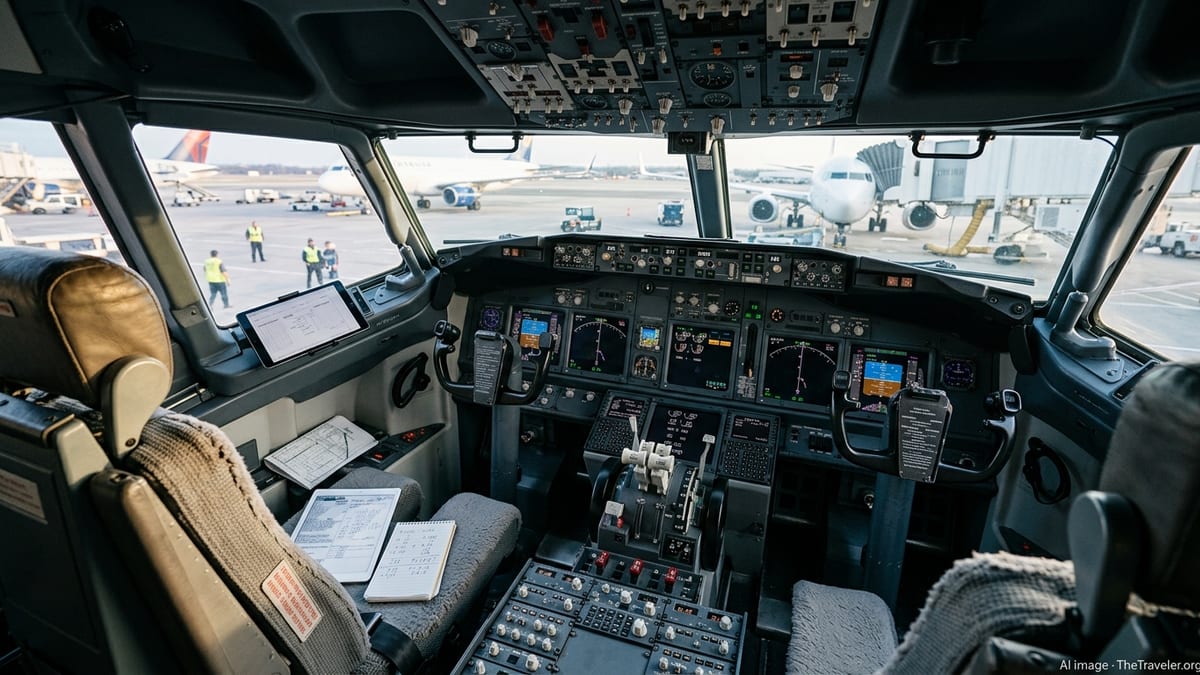
Pilot drug tests completed after Jakarta arrest
According to recent Malaysian and Indonesian media coverage, a Malaysia Airlines pilot was arrested in Jakarta earlier in August after Indonesian customs officers allegedly found a large quantity of ecstasy tablets in his luggage. The incident, which followed a flight from Kuala Lumpur to Jakarta, triggered public concern over airline safety and crew vetting practices on both sides of the border.
Publicly available information indicates that the pilot was detained on suspicion of trafficking tens of thousands of ecstasy pills, reportedly weighing more than 20 kilograms. Subsequent reporting from Indonesia has stated that the suspect also underwent a urine test that returned positive for narcotics. The case remains under investigation by Indonesian authorities, and no trial date has yet been reported.
The arrest immediately raised questions about whether the individual had been using drugs while operating commercial flights and how he was able to clear security screening at Kuala Lumpur International Airport. Commentaries in Malaysian media and on social platforms highlighted unease among travelers, with some users questioning the robustness and frequency of airline drug testing programs.
In this context, Malaysia Aviation Group, the parent company of Malaysia Airlines, initiated a comprehensive drug testing exercise covering all of the carrier’s pilots. Based on newly released statements summarized in local news coverage, the company has now confirmed that every pilot screened in this exercise tested negative.
MAG confirms all pilots cleared in screening round
Recent reports describe the pilot testing effort as a targeted response aimed at restoring confidence in Malaysia Airlines’ safety culture. Publicly available information shows that the screening covered flight crew across the network and was completed within a compressed timeframe, with laboratories returning all results as negative.
Malaysia Aviation Group has been quoted in Malaysian press summaries as saying that the tests were conducted in line with established procedures and regulatory requirements. While the company has not released line-by-line details of the process, industry practice typically involves urine-based multi-panel testing for a range of controlled substances, with any non‑negative samples subject to confirmatory analysis in certified laboratories.
Coverage of the initiative notes that regulators in Malaysia already require periodic medical examinations and fitness checks for pilots, including provisions for alcohol and drug screening. Safety investigation reports published in recent years by the Malaysian Ministry of Transport have also documented the use of post-incident drug and alcohol tests, with several inquiries explicitly recording that pilots involved in serious incidents had tested negative and were medically fit.
Analysts following the sector suggest that, while mandatory and random drug testing is a long-standing feature of commercial aviation, public perception often hinges on how airlines are seen to react after a scandal. In this case, the rapid confirmation that all pilots have cleared testing is being framed as an attempt by Malaysia Aviation Group to draw a clear line between one criminal case and the broader pilot community.
Shift to cabin crew screening underscores broader safety push
With the pilot screening phase now complete, Malaysia Aviation Group has indicated that it is moving to extend similar checks to its cabin crew. Reports referencing the group’s internal plans suggest that cabin crew from Malaysia Airlines and sister carriers under the MAG umbrella will be brought into the enhanced testing program.
Publicly available information on MAG’s recruitment processes indicates that cabin crew candidates already undergo pre-employment medicals and background checks, including drug screening. The new phase appears designed to introduce or intensify random and in-service testing for existing crew, aligning cabin crew oversight more closely with that applied to pilots.
Industry observers point out that this reflects a broader global trend in aviation, where all “safety-sensitive” roles, including flight attendants, are increasingly subject to rigorous testing and monitoring. In practice, this can involve a mix of scheduled, random and for-cause tests, with the possibility of additional screening after incidents or irregularities.
Malaysia Airlines’ in-flight safety information materials emphasize that passenger and crew safety is the carrier’s highest priority, detailing procedures that range from on-board medical preparedness to proactive risk mitigation. Extending systematic drug testing to a wider set of crew members is being presented in local coverage as another layer in this safety architecture.
Regulatory and public pressure for stronger oversight
The Jakarta case has drawn attention not only to airline procedures but also to coordination between aviation security, customs and law enforcement agencies. Media analysis in both countries has highlighted that airline crew often move through expedited security channels for operational reasons, which can create perceived vulnerabilities if not paired with robust oversight.
In Malaysia, publicly available commentary from government-linked agencies has indicated that internal reviews are under way to assess how the arrested pilot was able to depart Kuala Lumpur while allegedly carrying a substantial quantity of illegal drugs. Reports state that agencies responsible for border control and aviation security are examining processes at Kuala Lumpur International Airport, including screening of crew luggage.
Regional examples cited in aviation and mainstream media show that similar incidents involving flight crew and narcotics have occurred in other countries, prompting airlines and regulators elsewhere to tighten controls. In some cases, this has involved closer cooperation between airports, customs and airlines, better use of intelligence to identify high-risk individuals, and more consistent application of search procedures to crew as well as passengers.
For Malaysia Airlines, the present situation adds to a long-standing imperative to demonstrate rigorous adherence to international safety norms. Analysts note that the carrier, which has been through previous crises unrelated to drugs, remains under particular scrutiny whenever safety-related issues arise, making transparent and decisive responses especially critical.
Rebuilding traveler confidence in a competitive market
The latest testing program and the extension of screening to cabin crew come at a time when airlines in Southeast Asia are competing intensely for returning post-pandemic demand. Malaysia Airlines has been working to position itself as a full-service carrier focused on reliability, network connectivity and service quality, with its in-house magazine and customer communications repeatedly underlining a commitment to safety.
Travel industry specialists observe that reputational shocks involving crew conduct can have an outsized impact on traveler sentiment, particularly when social media amplifies images and commentary around high-profile arrests. The combination of visible disciplinary action in the individual case, tighter cooperation with authorities and broad-based testing across pilots and cabin crew is seen as central to limiting potential damage.
According to current coverage, Malaysia Aviation Group aims to complete the cabin crew screening phase swiftly, while continuing routine checks for pilots. If maintained over time, a more intensive, system-wide approach to drug testing could help reassure passengers that the Jakarta incident represents an isolated breach rather than a systemic weakness within the airline.
As investigations in Indonesia progress and Malaysian agencies finalize their own reviews, further policy adjustments around crew screening, airport security procedures and information sharing are likely. For travelers watching developments from afar, the immediate message is that all Malaysia Airlines pilots have now been cleared in the latest round of drug tests, and that the same level of scrutiny is being extended to cabin crew across the group.