


More news on this day
A technical change in how airlines can disclose fees is poised to reshape ticket pricing in the United States, raising concerns that travelers could end up paying more for the same trips without realizing it until late in the booking process.
Get the latest news straight to your inbox!
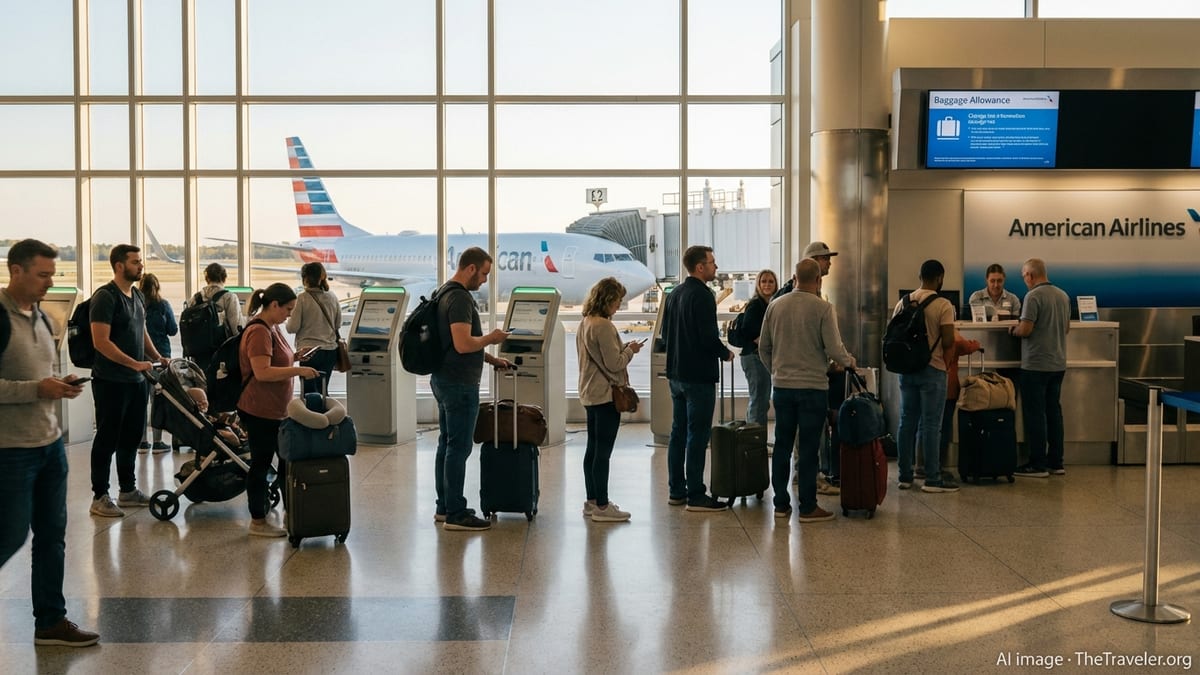
Regulatory Shift Rolls Back Tougher Transparency Rules
The U.S. Department of Transportation recently finalized a rule that reverses key elements of a 2024 regulation intended to make airline ancillary fees more transparent to consumers. That earlier rule would have required airlines and ticket agents to show upfront costs for common add-ons such as checked bags, carry on bags, and ticket changes at the initial search and booking screens, with passenger specific estimates based on frequent flyer status or military eligibility.
The new action instead restores an older framework dating back to 2011, after a federal appeals court vacated the 2024 regulation. Under the reinstated rules, airlines must still disclose baggage fee changes and provide information about ancillary services, but they have greater latitude in where and how those fees are presented during the booking journey. Industry and consumer advocates interpret this as a move away from integrated, one screen comparisons of the full cost of travel toward a more fragmented disclosure model.
Publicly available regulatory documents describe the change as a technical adjustment to bring federal regulations into line with the court decision. Consumer groups, however, have characterized it as a meaningful step back from efforts to simplify airfare shopping, arguing that the practical effect is to reduce the visibility of mandatory or near mandatory charges that are often essential for most passengers.
Why Less Transparent Fees Can Mean Higher Effective Prices
Economists and aviation analysts generally agree that airlines have leaned heavily on fees for baggage, seat selection, and itinerary changes to supplement base fares. Industry data over the past decade show that so called ancillary revenue has climbed steadily, becoming a core part of major carriers business models. When those fees are not displayed alongside the base fare, travelers may underestimate the total cost of travel at the search stage and only discover the full bill after committing to a particular airline or schedule.
Research on consumer behavior suggests that when prices are presented in parts instead of as a single all in number, many buyers focus on the headline fare and are less responsive to higher add on charges that appear later in the process. In practical terms, that can give airlines more room to raise baggage or seat fees without immediately triggering the kind of comparison shopping that would follow a visible increase in the base ticket price.
Advocacy groups have warned that rolling back stricter disclosure requirements could revive practices where a low advertised fare is paired with a growing list of optional or quasi optional extras. For travelers who need to check a bag, sit with family members, or retain flexibility to change plans, the total they pay may climb even if the nominal base fare remains the same. The concern is not just the level of fees but the difficulty of comparing offers across airlines when each carrier can highlight different components of the price.
Examples Travelers Are Already Seeing in the Market
Recent carrier policy updates show how quickly changes in disclosure rules can filter into real world pricing. Several large U.S. airlines have modified the conditions attached to their most restrictive basic economy tickets, tightening rules on upgrades, seat assignments, and changes while leaving headline fares relatively stable. Online discussions among frequent flyers increasingly describe scenarios in which avoiding cramped seating or securing family seats together requires paying for a higher fare class or additional fees.
At the same time, some travelers report more aggressive enforcement of carry on size limits and new restrictions on complimentary access to extra legroom seats when booking the cheapest tickets. While individual airline policies vary, these shifts often have a similar financial effect. The starting price looks familiar, but the cost of replicating what used to be a standard economy experience crests higher, particularly once baggage and seat selection are factored in.
Because airlines can now rely more heavily on their own websites and booking flows to present this information, the overall picture a traveler sees may depend on which comparison tools they use. Third party sites and travel agencies face practical challenges in keeping pace with carrier specific fees that are less standardized and less clearly required to be displayed alongside base fares in a uniform way.
Interaction With Broader Fee and Tax Rules
The airline specific rule change is unfolding against a wider backdrop of federal efforts to regulate so called junk fees in the broader economy. A separate nationwide rule overseen by consumer regulators requires many businesses to present an all in price that includes most mandatory charges up front, while allowing certain taxes and optional add ons to be itemized. Air travel occupies a complicated corner of that landscape, since ticket prices already bundle government taxes and security charges that adjust annually based on statute.
Industry groups have argued that giving airlines more flexibility in how they advertise and display prices allows them to compete more effectively on base fares while presenting government imposed charges and optional services separately. Consumer advocates counter that air travel is uniquely prone to confusion because of the sheer number of potential add ons, from checked bags and seat selection to priority boarding and change flexibility.
As federal agencies refine how general fee disclosure rules interact with sector specific aviation regulations, the risk is that travelers may confront a patchwork of standards. Some carriers may voluntarily continue to display more all in pricing, while others could adopt layouts that separate base fare and add ons in ways that make quick, apples to apples comparisons more difficult.
What Travelers Can Do to Avoid Surprise Costs
Although the latest rule does not directly impose new charges, it alters the information environment in which airlines set and present prices. That places a greater burden on travelers to examine each stage of the booking process carefully. Experts advise checking baggage and seat fees before selecting a flight, not just after choosing dates and times, and using comparison tools that attempt to estimate the full trip cost, including a typical checked bag and standard seat selection.
Passengers who favor the lowest upfront fare may need to factor in whether they are comfortable with restrictive basic economy conditions, such as no advance seat assignment, limited or no changes, and higher fees for checked or sometimes even full size carry on bags. For families or travelers on complex itineraries, paying a higher base fare that includes more flexibility can still be cheaper than layering on multiple individual fees later.
Travelers who understand the evolving rules and scrutinize every line item can still find competitive deals. However, the latest regulatory shift tilts the balance of information slightly more toward airlines and away from consumers who expect that the first price they see will closely match what they ultimately pay. As carriers continue refining their fee structures within this looser framework, the total cost of air travel may drift higher, even as advertised fares appear to hold steady.