


More news on this day
Travelers at San Francisco International Airport faced significant disruption on June 22 as more than 225 flights were delayed and at least eight were cancelled, affecting services operated by United Airlines, Frontier Airlines, SkyWest, Air Canada and other carriers on busy routes to cities including Chicago, Montreal, New York City, Las Vegas and Rome.
Get the latest news straight to your inbox!
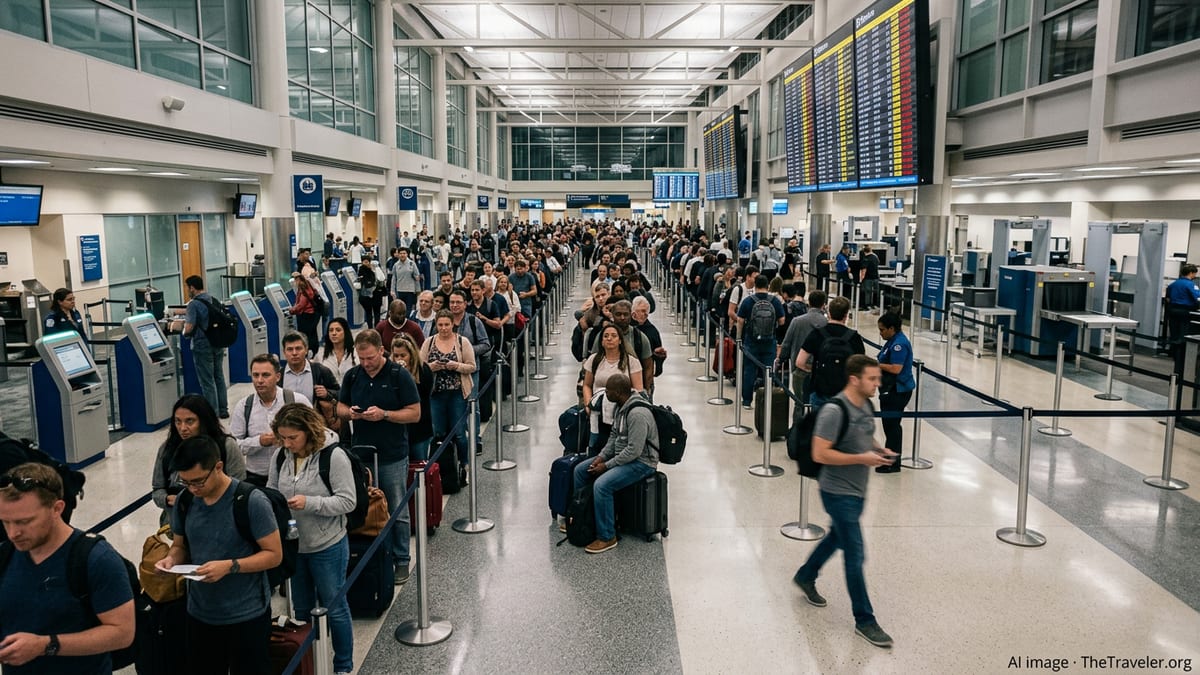
Delays Ripple Across Domestic and International Networks
Publicly available flight-tracking boards for San Francisco International Airport on Monday showed hundreds of services running behind schedule, with delays affecting both departing and arriving aircraft. The disruption was concentrated among large network carriers and their regional partners, including United Airlines and SkyWest, alongside low cost operator Frontier and Canadian flag carrier Air Canada.
Data for the day indicated that more than 225 flights experienced delays and at least eight services were cancelled outright, interrupting travel for passengers on high-demand domestic corridors and transborder routes. Flights to and from Chicago and New York, two of the nation’s busiest aviation hubs, were among those listed with extended departure or arrival times. Services linking San Francisco with Montreal, Las Vegas and major European destinations such as Rome were also affected.
Operational updates from airline status pages showed a pattern of creeping delays, where departures were repeatedly pushed back in short increments. Travel advisories published earlier in 2026 had already warned that San Francisco’s congested airspace and ongoing airfield constraints could leave carriers especially vulnerable to knock-on delays during busy periods, an effect that appeared visible in the day’s schedules.
While most flights continued to operate, the cumulative effect of late-running services and a small number of cancellations created bottlenecks across terminals and at connecting hubs, leaving many passengers facing missed onward flights and unplanned overnight stays.
Runway Constraints and Congested Airspace Add Pressure
Background information on San Francisco International Airport points to structural factors contributing to recurring disruption. The airport operates closely spaced runways and handles a dense mix of domestic and international traffic, a configuration that has long required conservative spacing between aircraft during periods of reduced visibility or strong winds. Industry commentary and traveler accounts posted in recent weeks have highlighted how these constraints can sharply reduce arrival and departure rates when conditions are not ideal.
Analyses published by local Bay Area outlets earlier this year noted that major runway rehabilitation and airfield work are expected to affect operations through the first half of 2026, with some reports estimating that up to one in ten flights could experience delays during peak periods. Those reports also pointed to patterns of disruption clustering around the morning and late afternoon banks when transcontinental and international departures are most concentrated.
On the day of the latest disruption, flight-status tools showed several morning and early evening departures from San Francisco already operating with revised times, suggesting that minor early issues may have cascaded into wider schedule challenges. Aviation observers frequently describe San Francisco as particularly sensitive to small disturbances, since limited runway capacity can make it difficult for airlines to recover once a backlog builds.
United, Frontier, SkyWest and Air Canada Among Most Affected
United Airlines, the dominant carrier at San Francisco International Airport, featured prominently on delay boards, reflecting its large portfolio of domestic and long haul routes from the hub. United and its regional partner SkyWest operate many of the short to medium haul services that feed traffic into long distance flights bound for the Midwest, East Coast and Europe, meaning delays on feeder routes can quickly affect onward journeys to cities such as Chicago and New York.
Frontier Airlines, which runs a lean point to point network, also saw disruptions among its departures. Consumer guidance documents about the airline’s operations in 2026 have previously emphasized that carriers with smaller fleets and fewer backup aircraft may have less flexibility to absorb irregular operations, leaving passengers more exposed when a single flight sequence is disrupted. Reports from past travel days at San Francisco show that when low cost carriers encounter extended delays or air traffic restrictions, they are sometimes forced to cancel individual flights rather than re-accommodate passengers on alternative same day services.
Air Canada services linking San Francisco with Canadian hubs faced delays as well, tightening connection windows for travelers heading onward to cities like Montreal. Regional operator SkyWest, which flies under the brand of several major airlines, appeared on multiple delayed-flight lists, underscoring the interconnected nature of the problem. When regional flights arrive late into San Francisco, the aircraft and crew involved are not available on time for their next scheduled departures, creating further knock-on impacts.
Passengers Confront Missed Connections and Overnight Disruptions
The combination of more than 225 delayed flights and several cancellations translated into long waits, missed connections and itinerary changes for passengers across the United States and beyond. Travelers booked on itineraries from San Francisco to Chicago, New York City and Las Vegas reported extensively padded travel times as connection windows narrowed. Those heading to international destinations such as Montreal and Rome faced particular uncertainty, since missed long haul departures can result in limited same-day rebooking options.
Recent traveler accounts shared on public forums have described similar disruption patterns at San Francisco in the weeks leading up to this latest episode, including prolonged ground holds, flights waiting at runway thresholds and departure times repeatedly pushed back in 20 to 30 minute increments. These experiences align with expert descriptions of how traffic management initiatives imposed for capacity or weather reasons can slow operations at airports with limited runway flexibility.
Consumer advocacy materials regarding airline delays and cancellations in 2026 note that passengers encountering significant disruption are generally advised to monitor airline apps and flight-tracking services closely, as these tools sometimes update more quickly than airport displays. Advisories also suggest that travelers build extra time into connections at congestion-prone hubs such as San Francisco, particularly during seasons when weather or construction projects are expected to constrain capacity.
Outlook for Summer Travelers Using San Francisco
Published forecasts for San Francisco International Airport have indicated that pressure on the airfield is likely to persist through the busy summer period, with airlines operating near pre-pandemic capacity levels and ongoing infrastructure work limiting flexibility. Aviation planners expect that days with even minor weather issues or upstream disruptions at other hubs will continue to test the system.
Industry analyses encourage travelers using San Francisco as either an origin or connection point to pay close attention to schedule reliability on their chosen carriers, particularly for evening departures that depend on aircraft arriving from earlier legs. Passengers connecting from domestic flights to long haul services bound for Europe or eastern North America may wish to select longer layovers, given the recent pattern of rolling delays affecting multiple airlines.
While the vast majority of flights at San Francisco ultimately operate, Monday’s count of more than 225 delays and eight cancellations underscores the fragility of tightly timed schedules in a constrained operating environment. As airlines, airport managers and air traffic agencies continue to work within those limits, travelers flying routes such as San Francisco to Chicago, Montreal, New York City, Las Vegas and Rome are likely to keep feeling the effects whenever conditions tip the system out of balance.