


More news on this day
San Francisco International Airport is preparing a new wave of premium amenities, with plans for private bedrooms, dedicated shower facilities and an expanded roster of luxury lounges aimed at travelers willing to pay more for comfort and privacy.
Get the latest news straight to your inbox!
Premium sleep and shower spaces move to the forefront
San Francisco International Airport has already become a hub for travelers seeking rest and refreshment between long flights, and new plans point to an even stronger emphasis on sleep and hygiene. Publicly available airport information highlights existing nap rooms and private showers in the International Terminal, marketed under the Freshen Up brand, where travelers can rent small rooms by the hour along with access to showers, toiletries and laundry services. That model is now serving as a baseline for additional, more upscale offerings.
Industry coverage and traveler reports indicate that airport planners are looking at more private, hotel-style spaces within the secure zone, designed for passengers facing long layovers or irregular arrival times. These concepts are expected to focus on fully enclosed rooms rather than simple reclining chairs or open rest zones, giving travelers a place to sleep, work or change clothes away from the main terminal flow.
Alongside enclosed bedrooms, showers are emerging as a core component of the premium mix. Many of SFO’s existing airline and shared-use lounges already include shower suites, but the airport’s latest moves suggest a broader strategy that treats the ability to fully refresh between flights as a standard expectation rather than an occasional luxury.
Analysts note that these changes place SFO in line with a wider international trend, in which major global hubs are rethinking terminals as wellness-focused environments, adding quiet zones, spa-style bathrooms and compact sleep pods as part of a tiered menu of services.
Growing stable of high-end lounges across terminals
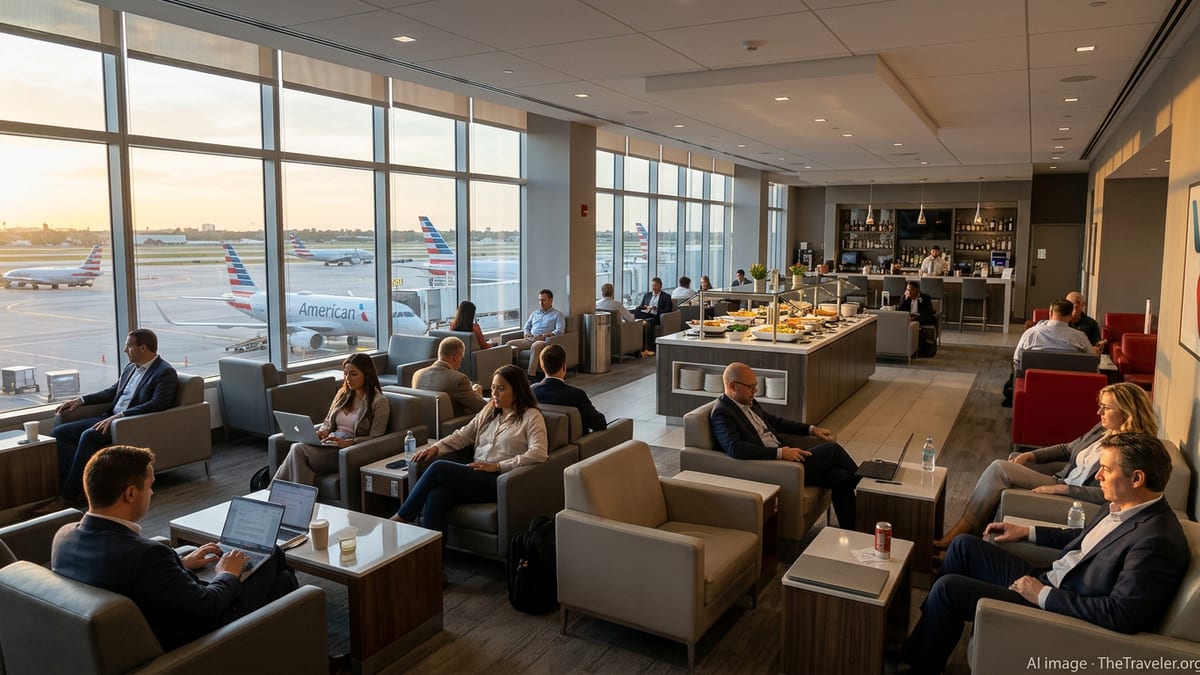
In parallel with bedroom and shower plans, SFO’s lounge landscape is becoming more crowded and competitive. The airport’s own lounge directory now lists more than a dozen airline-branded and shared-use lounges, ranging from flagship spaces in the international terminals to newer facilities in Harvey Milk Terminal 1 and Terminal 2. Recent additions include an Alaska Lounge in Terminal 1 and a new wave of independent clubs such as The Club SFO, which target passengers who gain entry through memberships or premium credit cards.
Several of these spaces have been recognized for their emphasis on comfort, food and design. The Club SFO in Harvey Milk Terminal 1, for example, has been highlighted in trade coverage for its role in reshaping the passenger experience, while United’s Polaris Lounge in the international G concourse continues to attract attention for its restaurant-style dining, nap areas and shower suites tailored to long-haul premium travelers.
The competitive dynamic has intensified with the arrival of new international carriers investing in their own premium spaces. Air India’s recently opened Maharaja Lounge in the A concourse, managed by a global lounge operator, brings a dedicated preflight space for the airline’s premium passengers with curated food, quiet zones and work areas. While this particular lounge does not offer showers, its design underscores how airlines are using branded lounges to extend their onboard identity into the terminal.
For travelers, the net effect is a growing menu of premium waiting areas at multiple price points, from all-inclusive airline lounges to pay-per-use clubs that sell access by the visit. The addition of private bedrooms and more shower capacity is expected to complement, rather than replace, this ecosystem of lounges.
Plans for an ultra-premium private terminal
The most dramatic element of SFO’s premium push sits outside the traditional concourse layout. Local and national coverage in July 2026 detailed proposals for a new private terminal concept at SFO, modeled on similar facilities at a handful of major airports. The project envisions a stand-alone terminal for passengers willing to pay a substantial fee for a highly controlled, high-touch experience away from the main crowds.
Concept material and planning documents describe a facility that could offer private security screening, direct transfers from terminal to aircraft, and a suite of luxury amenities more reminiscent of a boutique hotel or members’ club than a conventional gate area. Renderings and early descriptions reference secluded lounges, bar areas and intimate social spaces, suggesting that private bedrooms and high-end shower facilities would likely form part of the overall package.
Airport planning documents cast the private terminal as a response to what officials have publicly characterized in other forums as rising demand for “premium experiences” in air travel. This includes travelers who already pay for lie-flat seats or first-class cabins and who expect similar levels of privacy and comfort before boarding.
If approved and built, the private terminal would place SFO among a small group of U.S. airports experimenting with ultra-premium ground products, adding yet another layer on top of the existing hierarchy of airline lounges, shared-use clubs and public rest areas.
Wellness and privacy become selling points for long-haul flyers
The emphasis on bedrooms, showers and quiet lounges at SFO reflects shifting expectations among travelers, especially those on long-haul and overnight routes to Europe and Asia. Travel industry reporting shows that passengers increasingly treat time on the ground as an opportunity to adjust to time zones, freshen up after early-morning arrivals and manage work calls before or after flights.
SFO occupies a strategic position in this trend as a major West Coast gateway with an extensive long-haul network. Facilities such as the United Polaris Lounge, with its combination of dining, bar service, showers and rest spaces, exemplify how lounge operators are trying to attract passengers who see the airport as an extension of their office and hotel. Independent facilities that rent nap rooms and showers by the hour are tapping into the same desire for flexibility.
Wellness considerations are also influencing design decisions within newer terminals, where planners are weaving in natural light, quieter seating zones and yoga or stretching areas. While these spaces are typically open to all passengers, the next wave of development is concentrating on more private, reservable environments that offer guaranteed quiet and personal space during peak travel times.
Market observers suggest that as more travelers become accustomed to these amenities at major global hubs, offerings like private bedrooms and high-spec showers may increasingly be perceived not as aspirational extras but as expected features at leading international airports such as SFO.
What travelers can expect in the coming years
For now, most of SFO’s sleep and shower options remain clustered in existing lounges and the Freshen Up facility, alongside the on-airport Grand Hyatt hotel, which provides traditional overnight accommodation with direct AirTrain access. However, a series of projects either under construction or in planning stages point to an evolving premium landscape over the next few years.
Industry commentary about SFO’s lounge pipeline references additional United Club capacity, including a large club with an outdoor terrace, and new or expanded shared-use lounges that could incorporate shower suites and small private rooms as selling points. At the same time, the proposed private terminal concept is advancing through review processes, attracting attention from both aviation analysts and local residents.
Travelers passing through SFO in the near term are likely to encounter incremental upgrades first, such as refurbished lounges, new food and beverage concepts and expanded shower availability in existing spaces. Over the longer term, if plans for private bedrooms, wellness-focused pods and the ultra-premium terminal move ahead, SFO could emerge as a prominent example of how American airports are reshaping terminals around rest, privacy and high-end services.
For frequent flyers, the evolution means more choices about how to spend time on the ground, with options ranging from a quick shower and a quiet hour in a shared lounge to a fully private room or bespoke terminal experience tailored to the highest-paying passengers.