


For many travelers today, the hardest part of booking a trip is not choosing the destination. It is deciding where to click “Book now.” Between Expedia, Hotels.com, Vrbo, Orbitz and the rest of the Expedia Group family, you can compare thousands of options in a few minutes. At the same time, airlines, hotel chains and vacation rental hosts urge you to “book direct” and promise better prices or perks. The right choice depends on what you value most on a given trip. This guide looks at when an Expedia Group platform can be the smarter move and when it pays to go straight to the provider, using concrete, real‑world examples to help you decide.
Get the latest updates straight to your inbox!
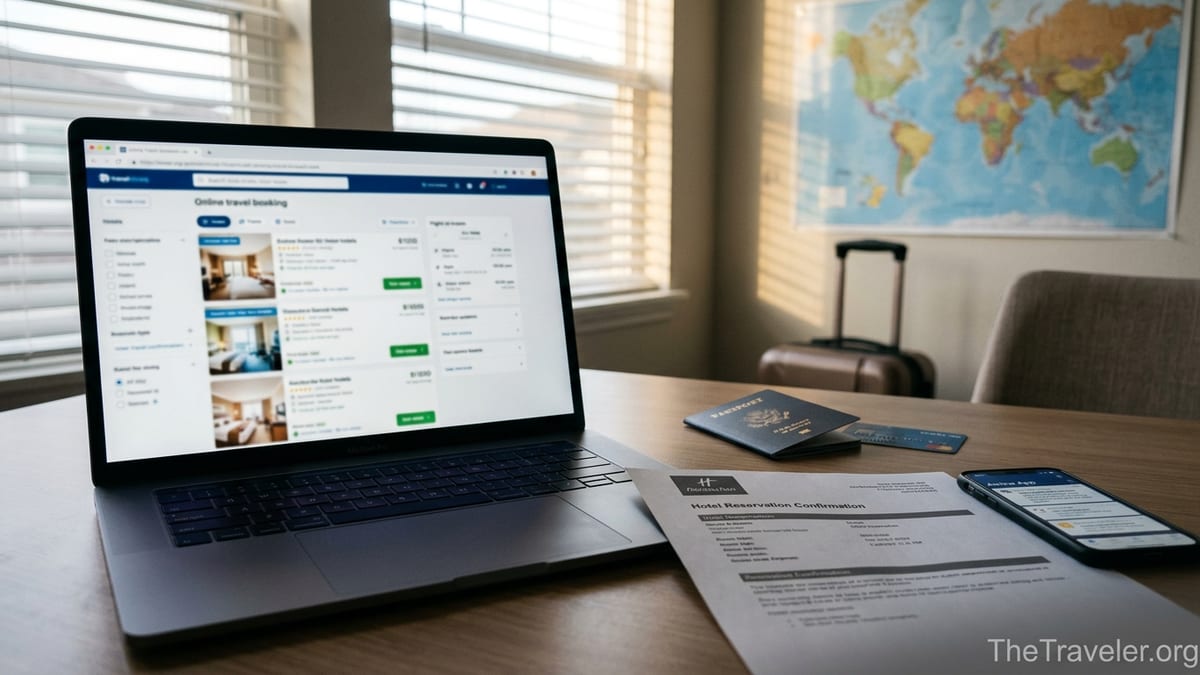
What Expedia Group Platforms Actually Offer
Expedia Group is one of the largest travel companies in the world, sitting behind familiar brands such as Expedia, Hotels.com, Vrbo, Orbitz and Travelocity. Although each site looks slightly different, much of the underlying flight, hotel and rental inventory is shared across the group. For a traveler, that means you can usually expect comparable availability and base pricing whether you open Expedia or Orbitz for a major route like New York to London or a hotel in central Paris.
The main appeal of these platforms is consolidation. You can bundle a Delta Airlines economy flight from Atlanta to Cancun with a three night stay at a beachfront all‑inclusive and airport transfers in one transaction. Some Expedia packages for Mexico or the Dominican Republic routinely come in at around 10 to 20 percent less than booking the same flight and hotel separately, especially during shoulder seasons. For a family trying to lock in a spring break trip, that can mean several hundred dollars saved in one click.
Expedia Group has also folded its major consumer brands into a shared loyalty program called One Key. If you book a long weekend at an independent boutique hotel through Hotels.com, a summer Vrbo lake house in Michigan and a basic United flight to Denver on Expedia, you can earn rewards across all three. Those rewards can then be redeemed on future stays or flights within the group. If you are not loyal to a single hotel chain or airline, this broad earning and redemption can feel more flexible than a traditional brand‑specific program.
Beyond price and points, these platforms invest heavily in user reviews and comparison tools. On a single screen you can sort Miami hotels by guest ratings, filter for oceanfront properties, and see photos plus thousands of recent reviews from other travelers. That level of detail and breadth is still more robust on major online travel agencies than on many individual hotel or airline websites, especially for small independent properties.
How Pricing Really Compares to Booking Direct
The common belief is that booking direct is always cheaper. In practice, prices between Expedia Group platforms and providers are often similar for base rates. Large hotel chains and airlines use rate parity agreements so that a standard room at a Chicago Marriott or an economy seat on American from Dallas to Los Angeles shows roughly the same base price on Expedia and on their own sites on a given day. Small differences tend to come from temporary promotions, loyalty discounts or coupon codes rather than fundamentally different starting prices.
One place Expedia can pull ahead is through promotions and coupon codes layered on top of standard prices. For example, it is common to see limited‑time Expedia offers such as 10 percent off select hotels in Las Vegas or extra savings on “last minute” stays booked within the next week. During a New York hotel sale, a midrange Times Square property that is 260 dollars per night on the hotel’s own site might drop to around 230 to 240 dollars per night on Expedia once a coupon is applied, especially for off‑peak dates like early February.
By contrast, hotel chains increasingly protect their direct channel with member‑only rates and loyalty perks. A traveler with Hilton Honors or Marriott Bonvoy status may see a “member rate” for a standard room that is 5 to 10 percent lower than the public rate advertised elsewhere. Over multiple nights, those discounts plus points earnings and potential benefits such as breakfast or late checkout can easily outweigh a small one‑time coupon on an Expedia booking, especially for frequent business travelers returning to the same brands.
For flights, Expedia’s base fares generally match what you will find on airline sites for the same cabins and restrictions, but airlines sometimes reserve special deals or promotional codes for direct channels. It is not unusual to see a major carrier run a “72 hour flash sale” on its own website that does not appear on Expedia. On the other hand, some low‑cost or regional airlines prefer not to appear on big online travel agencies at all, so you may only find the absolute cheapest fare for a route like Denver to Bozeman or intra‑Europe hops by visiting the airline’s site directly.
Flexibility, Changes and Cancellations
Flexibility is where the choice between an Expedia platform and booking direct has the most practical impact. Many travelers assume that if they book a “free cancellation” hotel on Expedia, they can simply call the hotel to change dates or cancel. In reality, the contract is usually with Expedia, not with the property. That means you often need to change or cancel through the platform’s app or customer service, and the hotel cannot always override those terms even if staff want to help.
In straightforward situations, the system works well. Suppose you book a refundable room at a business hotel in downtown Chicago through Hotels.com with free cancellation until 24 hours before arrival. If your plans change two weeks ahead, canceling in the app is usually instant and your credit card refund processes in the typical time frame. Issues tend to arise closer to the deadline or after partial stays. For instance, if a snowstorm forces you to leave a Denver ski hotel two days early and the original reservation was made on Expedia, front desk employees may tell you they cannot adjust the bill and you must contact Expedia for any refund on the unused nights.
Airline changes can be trickier when a third party is involved. Many U.S. carriers now allow no change fees on most standard economy and above tickets when booked directly, with travelers paying only the fare difference. Book the same American Airlines or Delta ticket through Expedia, and if you need to change routes or dates, you may have to pay both any airline fee and an additional service fee charged by the platform, depending on the fare rules. During large disruption events, such as a summer thunderstorm system in the Northeast or a winter blizzard that cancels hundreds of flights, airline agents at the airport usually prioritize helping customers who booked directly before those who came through online agencies.
Vacation rentals highlight another layer of complexity. On Vrbo, cancellation policies are set by the host and can range from very flexible to completely nonrefundable. If you reserve a beach house in the Outer Banks with a strict policy and later back out because friends cancel, Vrbo will typically enforce the host’s policy, while a local property manager you booked with directly might offer a partial credit as a goodwill gesture. Conversely, when natural disasters or major events prompt widespread cancellations, a large platform sometimes steps in with more standardized refund or credit policies than small independent managers can afford to offer.
Customer Service and Problem Resolution
Customer service quality is hard to judge from marketing copy, so practical scenarios help. Imagine you arrive in Rome late at night to find the boutique hotel you booked through Expedia has no record of your reservation, or has given your room away. With a direct booking, you would negotiate directly with the hotel for a solution. With an Expedia booking, you can call or chat with Expedia support, which in ideal cases will secure you a comparable room at a nearby property at no extra cost and handle the billing behind the scenes.
For many travelers, especially those who do not speak the local language, having a global customer service line available 24 hours a day is reassuring. If your 11 p.m. arrival in Bangkok reveals an overbooked property or incorrect room type, speaking to an English‑speaking Expedia agent who can advocate on your behalf with the hotel can feel easier than arguing alone at the front desk. The trade‑off is that you are adding another party into the conversation, which can slow things down if policies are unclear or if the hotel and the platform disagree on who should pay for a solution.
During major disruptions, such as severe weather closing airports or a city‑wide power outage, the limitations of booking through an intermediary sometimes become clear. Airline agents will often publicly tell affected passengers to “work with your original booking source,” which means travelers who booked a multi‑leg international itinerary through Expedia stand in a separate line from those who booked on the airline’s site. While Expedia agents can and do rebook flights, they are constrained by what the airline allows them to change and may not have access to certain special routing options that airline agents can offer their own direct customers in extraordinary circumstances.
Hotels and rental hosts may also prioritize direct guests when things go wrong. If a small mountain inn in Colorado oversells rooms for a peak ski weekend, it is more likely to walk an Expedia guest than someone who booked directly and is a repeat visitor or loyalty member. From the property’s perspective, it earns more net revenue on direct bookings after fees and wants to preserve that relationship first. This does not mean Expedia guests are left stranded every time there is an issue, but it underlines how booking channel can subtly affect how hard a provider will fight to keep you happy.
Loyalty, Perks and Hidden Value
Beyond headline prices, loyalty programs are where the long‑term value of your booking choices adds up. Expedia Group’s One Key program is designed to be simple: you earn rewards on eligible bookings across Expedia, Hotels.com and Vrbo, then redeem them later for discounts. For casual travelers who might book a Florida condo one trip, a boutique hotel in Lisbon the next and a flight to Vancouver after that, earning in one pooled account is more straightforward than juggling three or four separate airline and hotel programs.
On the provider side, however, direct loyalty benefits can be more generous over time. A frequent business traveler who spends 60 nights per year at Marriott or Hilton hotels and flies United or American monthly can reach elite tiers that deliver upgrades, lounge access, fee waivers and bonus points. Those benefits are typically restricted to bookings made directly with the brand or through approved corporate channels, not through Expedia or other online travel agencies. Even if a traveler occasionally finds a slightly cheaper rate on Hotels.com for a given night, choosing the direct booking that preserves elite night credits can be worth far more over the course of a year.
Consider a concrete example: a four‑night work trip to San Francisco at a midrange chain hotel running about 320 dollars per night. Booking through Expedia might earn a modest amount of One Key value, perhaps enough to shave a bit off a future weekend stay. Booking direct through the hotel’s site could earn points worth a fraction of the stay cost plus elite night credit that nudges you closer to a status level. Once you reach that level, you might receive suite upgrades, breakfast and late checkout on many stays, easily surpassing the savings from a single discounted booking.
For vacation rentals, loyalty is less developed on the provider side, since most properties are independent. Vrbo’s integration into One Key means that a family booking a large cabin in the Smoky Mountains through the platform can earn rewards toward a future hotel or rental elsewhere. But some property managers that handle multiple homes in a region run their own repeat guest programs, quietly offering returning direct guests early access to summer weeks or small discounts that are not available through Vrbo listings. If you plan to visit the same area yearly, it can be worth asking a manager you like whether they extend such benefits for direct repeat clients.
When Expedia Group Platforms Make the Most Sense
There are several scenarios where using an Expedia Group platform is particularly compelling. The first is complex, multi‑component trips where you want to bundle flights, hotels and possibly a rental car or transfers. A family planning a week in Orlando might find that an Expedia package including nonstop flights from Chicago, a midrange hotel near the theme parks and a car rental comes in significantly lower than booking each element separately. Even when the savings are modest, the simplicity of one itinerary and one payment date has real value.
Expedia, Hotels.com and Orbitz are also strong options when you are exploring a new destination and need to compare many different properties quickly. If you are planning a last‑minute long weekend in Lisbon or Austin, for example, you can filter for central neighborhoods, scan guest reviews for recurring complaints like noise or cleanliness, and book instantly. Smaller boutique hotels and guesthouses, which might not have sophisticated websites or booking engines of their own, often rely on these platforms for visibility, so you may genuinely discover places you would not have encountered by visiting big chain websites alone.
Another advantage is for travelers mixing different types of accommodation or transport. A couple might book a transatlantic flight on Expedia, a few nights at a chain hotel in London via Hotels.com and a countryside cottage through Vrbo, all earning into the same One Key account. For people who travel two or three times per year but in different styles each time, that kind of cross‑category earning can feel more attainable than chasing airline status or hotel elite tiers that require sustained brand loyalty.
Finally, if you value having a single customer service point, especially for international trips, an Expedia Group platform can be reassuring. You may find it easier to remember “contact Expedia” than track down a small Sicilian guesthouse’s phone number if your late night ferry is delayed and you need to shift check‑in. The company’s scale means it has established processes for common problems like overbookings or double charges, whereas tiny independent providers sometimes handle those on an improvised, case‑by‑case basis.
When Booking Direct Is the Smarter Choice
Despite the convenience of Expedia Group platforms, there are many cases where booking directly with the airline, hotel or rental provider is the better move. Direct booking almost always makes the most sense when you are invested in a specific loyalty program and are chasing elite status. If you are aiming for Platinum status with a major airline or top‑tier status with a hotel chain, you generally need your flights and stays booked in channels that earn full credit. Reserving a long business‑class flight from Los Angeles to Tokyo or a week at a flagship resort through Expedia might look the same on your credit card bill, but it often does not give you the same elite qualifying benefits as booking direct.
Direct booking can also shine when you anticipate changes or have special requests. If you are traveling with young children and need connecting rooms, a crib or specific room locations, calling the hotel directly after booking on its own site often gets better results than notes sent through a third‑party system. Similarly, if you know your work trip dates are uncertain, purchasing a flexible fare directly through the airline usually means simpler same‑day changes or credits for future travel compared to navigating change rules through a third party.
Price matching and best rate guarantees are another quiet advantage of going direct. Many large hotel chains publicly promise to match a lower rate you find on Expedia or another site for the same dates and room type, sometimes adding an extra discount or bonus points if they confirm the discrepancy. That means you can effectively use Expedia as a research tool to surface deals, then lock in an even better price by booking with the hotel itself and submitting a best rate claim, especially on longer, more expensive stays where small percentage differences add up.
For vacation rentals, direct booking with reputable local managers can provide more tailored support. If you are renting a high‑end villa on Maui for a milestone anniversary or a large ski chalet in Utah for a group of friends, managers sometimes prefer direct relationships, offering detailed pre‑arrival planning, grocery stocking or activity coordination that are harder to facilitate entirely through a standardized platform interface. They may still list on Vrbo for marketing, but encourage repeat guests to book future stays directly at slightly lower rates once trust is established.
The Takeaway
Choosing between an Expedia Group platform and booking directly is less about one being universally “better” and more about matching the channel to the trip. For short city breaks, complex packages or one‑off vacations where you want quick comparison shopping and the simplicity of a single itinerary, Expedia, Hotels.com, Vrbo and their sister brands are powerful, user‑friendly tools. Their promotions, bundled deals and unified loyalty program can deliver real savings and convenience, especially for travelers who do not pledge allegiance to a single airline or hotel group.
On the other hand, travelers who value elite perks, anticipate changes or prioritize a strong relationship with a specific hotel or airline often come out ahead by booking direct. Direct channels tend to offer clearer recourse when plans shift, better handling in irregular operations and access to loyalty benefits that can far outweigh small upfront price differences. They also make special requests and nuanced arrangements easier to handle person to person.
A practical rule of thumb is to use Expedia Group platforms for discovery, quick one‑time bookings and value‑driven packages, while leaning on direct bookings for trips where service, flexibility and long‑term loyalty value matter most. Before you click “Book,” take one extra minute to ask what you care about most for that specific journey. The right answer may change from a budget‑conscious weekend escape to a once‑in‑a‑lifetime trip, and knowing when to use each option is one of the most useful skills modern travelers can develop.
FAQ
Q1. Is it usually cheaper to book through Expedia than directly with a hotel?
It is often similar in price, because many hotels use rate parity, but Expedia promotions or coupons can make some stays slightly cheaper, while hotel member‑only rates and best rate guarantees can tilt the advantage back to booking direct.
Q2. Do I still earn airline miles if I book my flight on Expedia?
In most cases you can add your frequent flyer number and earn basic miles, but some deeply discounted or special fares may earn reduced credit, and tickets booked through third parties usually do not count the same way toward elite status as tickets bought directly from the airline.
Q3. Are hotel loyalty points awarded on Expedia or Hotels.com bookings?
Major hotel chains typically do not award their own loyalty points or elite night credits on stays booked through online travel agencies, so if you care about chain status, it is usually better to book directly with the hotel brand.
Q4. What happens if my flight is canceled and I booked through Expedia?
If your flight is canceled, the airline is still responsible for getting you to your destination, but agents will often direct you to work with Expedia for rebooking if you purchased the ticket there, which can add a step and sometimes limits the options compared to working directly with the airline.
Q5. Is Expedia’s “free cancellation” the same as the hotel’s policy?
Not always. When you book through Expedia, your contract is typically with the platform, so even if the hotel would be flexible, you generally must follow the specific cancellation terms shown on the Expedia booking page and process changes through the platform.
Q6. Are vacation rentals safer to book on Vrbo or directly with a host?
Vrbo offers standardized payment processing and platform‑level support, which many travelers find reassuring, while direct bookings with reputable local managers can sometimes provide more personalized service and slightly better rates if you are a repeat guest.
Q7. Can I call the hotel to change an Expedia reservation?
You can certainly call, but hotels are often limited in what they can modify for Expedia bookings and will frequently tell you to make changes through Expedia customer service or the app, since that is where the original payment and confirmation were handled.
Q8. When is using Expedia for a package deal a good idea?
Package deals on Expedia tend to be most valuable for trips where you need flights and hotels together, such as resort vacations or city breaks, and you are flexible on exact properties, which allows the platform to bundle options at lower overall prices.
Q9. Does booking direct give me better treatment at the hotel?
Often it does. Many properties quietly prioritize upgrades, special requests and problem resolution for guests who book directly or are members of their loyalty program, because those stays are more profitable for them than third‑party bookings.
Q10. How should I decide between Expedia and booking direct for each trip?
Ask yourself whether you care more about upfront price and simplicity or about loyalty benefits, flexibility and direct support. If you want quick comparison and bundling, Expedia Group platforms are strong; if status, special requests and easier changes matter, booking direct is usually the better choice.