


More news on this day
Regional transport planners in Germany’s Westphalia region are moving ahead with one of the country’s largest battery train projects, selecting Siemens Mobility to supply 61 battery-electric units that will progressively replace diesel services across northern North Rhine-Westphalia from the end of the decade.
Get the latest news straight to your inbox!
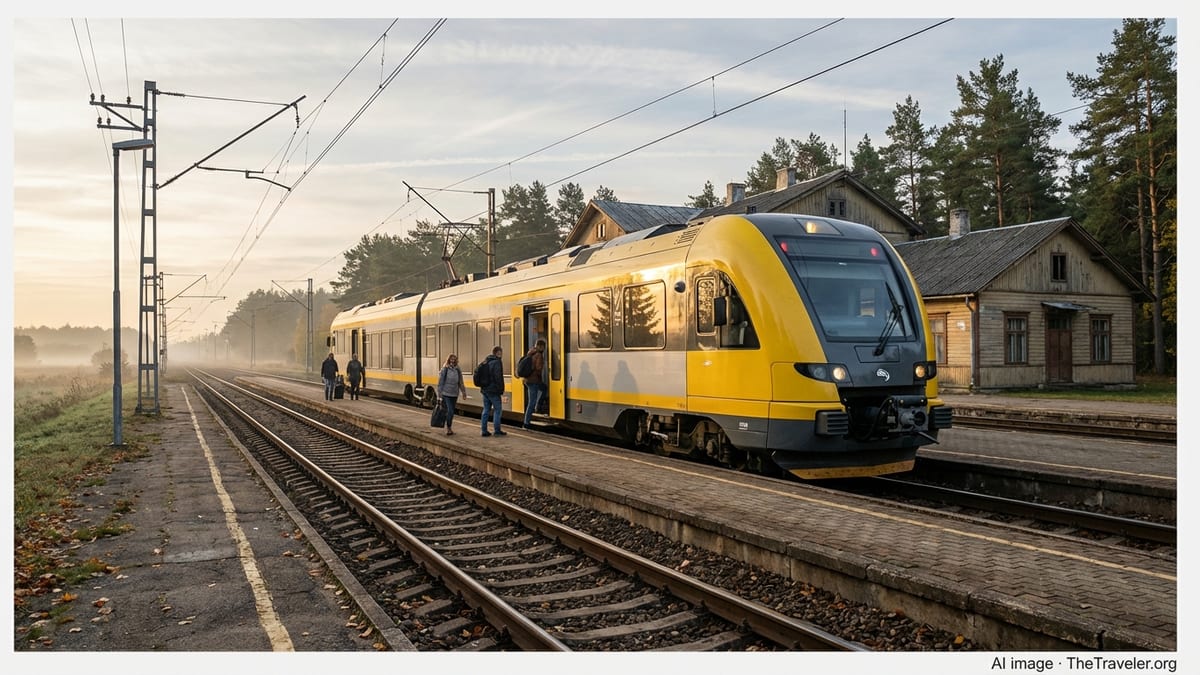
Large-Scale Fleet Order Targets Diesel Replacement
According to publicly available information from regional transport sources, the Westphalia-Lippe Local Transport Association has awarded Siemens Mobility a contract to supply 61 battery-electric multiple units for use on the so-called Northern Westphalia network. Reports indicate that the order represents the association’s largest single fleet renewal to date for regional rail transport, underlining the scale of the transition away from diesel traction in the area.
The new battery trains are planned to enter service from December 2029, operating on a range of regional routes where electrification is only partial or not yet in place. By deploying trains that can operate both under overhead wires and on battery power, planners aim to cover gaps in the electrified network without waiting for extensive new infrastructure works, accelerating emissions reductions on key corridors.
Publicly available coverage suggests that the 61 units will be leased via a long-term rolling stock financing model involving Rock Rail, which will provide the vehicles over an initial 15-year term. During that period, the fleet is expected to run millions of train-kilometers annually, allowing regional services to be converted from diesel to low-emission operation as timetables are restructured around the new trains.
The program positions the Westphalia-Lippe association among the leading German transport authorities investing in alternative traction, following earlier battery and hydrogen projects in other federal states. Observers see the size of the order as an indication that battery operation on regional lines is moving from pilot status to a central pillar of fleet planning.
Mireo Battery Technology Designed for Mixed Infrastructure
The 61 trains will be based on Siemens Mobility’s Mireo platform in a battery-electric configuration, often marketed as Mireo Plus B. Technical information published by the manufacturer and regional authorities describes these units as dual-mode vehicles able to draw power from overhead catenary where available and switch to high-capacity batteries on non-electrified sections.
The trains’ batteries are charged while operating under the wires and can also recapture energy through regenerative braking, which feeds power back into the storage system during deceleration. This approach is intended to reduce overall energy consumption and extend the range available on battery operation between electrified segments, making the concept suitable for regional networks with frequent stops and variable gradients.
Data from earlier Mireo battery deployments in other German regions indicates that similar trains can cover significant distances on stored energy alone, typically sufficient to bridge non-electrified gaps between mainline corridors and branch lines. In Westphalia, this capability is expected to enable continuous journeys across mixed infrastructure without passengers needing to change trains, improving both convenience and journey times.
Additional technical details made available for comparable fleets highlight the use of lightweight car bodies, modern traction equipment and climate-friendly design features, including a high proportion of recyclable materials. The combination of these elements is intended to lower lifecycle costs while cutting greenhouse gas emissions relative to the diesel multiple units they will replace.
Passenger Experience and Accessibility Improvements
In addition to environmental benefits, the new Siemens trains are expected to deliver a markedly different onboard experience for passengers traveling across Westphalia. Technical briefs and project descriptions emphasize step-free, level boarding at most platforms, which is designed to improve accessibility for wheelchair users, passengers with reduced mobility and travelers with luggage or strollers.
Interior layouts are expected to include modern seating, information systems and amenities such as onboard Wi-Fi and power outlets, reflecting standards that are increasingly common on newly procured regional fleets in Germany. Quieter battery operation, especially on lines that currently host older diesel stock, is anticipated to improve comfort both for passengers and for residents living near railway corridors.
Network planners have also highlighted operational reliability and flexibility as priorities for the new fleet. By standardizing on a modern train family across multiple routes and using a dedicated maintenance concept, authorities aim to reduce unplanned disruptions and facilitate more robust timetables. Battery trains that can switch seamlessly between wired and non-wired sections may also make it easier to adjust services as infrastructure projects progress.
The improved accessibility, reduced noise and upgraded interior standards are viewed as important tools for encouraging more people to shift from private cars to public transport for regional journeys. In a largely suburban and small-city region such as northern Westphalia, these incremental gains in comfort and reliability can play a significant role in meeting policy targets for modal shift.
Integration with Wider Westphalian Rail Modernization
The Siemens battery order aligns with a broader modernization effort in Westphalia, where authorities are pursuing a combination of line reactivations, depot investments and new rolling stock to expand rail’s role in everyday mobility. Recent infrastructure projects in the region include dedicated maintenance facilities for battery-electric trains and the reintroduction of passenger services on previously dormant branch lines.
Public planning documents for northern Westphalia point to several routes where battery trains will operate as part of this strategy, including lines that are being reopened or upgraded to better connect medium-sized towns with regional hubs such as Münster and Bielefeld. Battery operation allows these services to start running without the long planning and construction timelines associated with full electrification, which can involve complex engineering works and permitting.
The Westphalian initiative sits alongside similar battery fleet programs in other German states, contributing to a rapid build-up of experience with this technology under varied operating conditions. Observers note that such a critical mass of projects may help manufacturers and operators refine maintenance practices, energy management strategies and timetable design for future deployments.
For the region itself, the 61 new trains are expected to become a visible symbol of a wider shift in how public transport is planned and financed. By pairing rolling stock procurement with long-term leasing models and targeted infrastructure upgrades, Westphalia’s transport planners are seeking to lock in lower-emission mobility while keeping investment predictable for local budgets.
Environmental and Policy Context in North Rhine-Westphalia
The decision to commission a large fleet of battery-powered trains reflects both regional and national climate objectives. Germany’s federal transport and climate frameworks call for significant cuts in greenhouse gas emissions from the transport sector, and shifting regional rail away from diesel is seen as a relatively quick win where electrification is incomplete but passenger demand is strong.
North Rhine-Westphalia remains one of Germany’s most densely populated and industrialized states, and its rail network plays an important role in providing alternatives to road traffic. Publicly available assessments of regional rail development argue that modern, low-emission trains can help reduce air pollutants and noise, particularly in smaller communities along branch lines that have long relied on diesel traction.
Battery trains are also being evaluated as a cost-effective alternative to full overhead electrification in areas where civil engineering constraints, such as tunnels or protected landscapes, make conventional wiring particularly expensive or disruptive. In this context, the Westphalian order demonstrates how new rolling stock technologies can complement, rather than replace, infrastructure upgrades by targeting corridors where batteries offer the greatest operational and financial benefits.
As the Siemens fleet moves through design, testing and eventual service introduction, observers will be watching to see how energy consumption, reliability and passenger satisfaction compare with earlier generations of regional trains. The results are likely to influence future procurement decisions both within North Rhine-Westphalia and in other European regions weighing similar investments in battery-powered rail.