


Australia has long had a magnetic pull on travelers who want more than a sun lounger and a swim-up bar. As international arrivals rebound and domestic travel remains strong, the country is leaning into what it does best: big landscapes, bigger adventures, and one of the most diverse cultural tapestries on the planet. From climbing steel arches above Sydney Harbour to learning First Nations stories on red desert dunes, Australia continues to reward those who come looking for both adrenaline and depth.
Get the latest updates straight to your inbox!
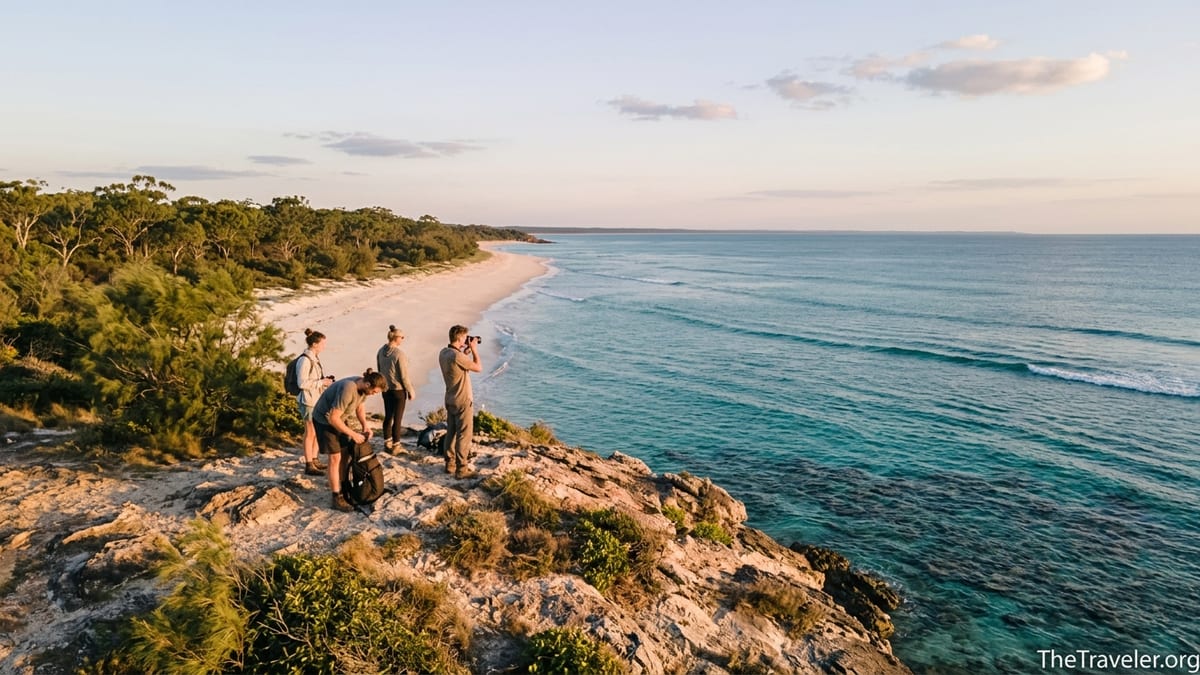
A Tourism Powerhouse Built on Nature and Adventure
Australia’s appeal is rooted in its geography. It is effectively a continent nation, roughly the size of the continental United States, yet with a population closer to that of Texas. For travelers, that means vast spaces, light traffic once you leave the cities, and a feeling that the horizon is always just a little further away. This physical scale underpins everything from multiday hikes in Tasmania to thousand-kilometer road trips along the eastern seaboard.
Recent tourism figures underline the country’s enduring draw. Tourism research and industry reports indicate that Australia welcomed around 7 to 10 million international visitors in 2024, with travel and tourism contributing a significant share of national GDP and hundreds of thousands of jobs. While exact numbers fluctuate, the trend is clear: visitors are returning in force, and many are seeking trips that combine classic sightseeing with meaningful adventure and cultural encounters.
Adventure tourism is a core pillar of this growth. Australia consistently ranks among the world’s top destinations in global adventure tourism indices, helped by its strong safety standards, political stability, and well-developed tourism infrastructure. Visitors can book everything from guided canyoning days in the Blue Mountains to liveaboard dive trips on the Great Barrier Reef, often through reputable operators that adhere to strict environmental and safety codes.
For travelers planning from abroad, this maturity matters. Not everyone is ready to strap on a backpack and go it alone. In Australia you can book a week that includes city galleries, a food tour, a couple of vineyard visits, and a day of white water rafting or a heli-hike, all with modern medical facilities and regulated operators nearby. The country offers high adventure within an environment that feels organized rather than chaotic.
Cities That Double as Adventure Gateways
Australia’s major cities are not just urban attractions. They are springboards to adventure. Sydney, Melbourne, Brisbane, Perth, Adelaide, Hobart, Darwin, and Canberra each plug directly into very different landscapes, from temperate rainforest to tropical reef and ochre desert. This makes it surprisingly easy for visitors to combine a sophisticated city break with a serious dose of nature.
Sydney is perhaps the world’s most iconic example of this dual personality. In the morning you can climb the Sydney Harbour Bridge with BridgeClimb, a guided experience that has welcomed millions of climbers since opening in 1998 and is often listed among the country’s top adrenaline attractions. Climbers wear safety harnesses and follow a secure route to the summit, where they look down over the Opera House, ferries and sailing boats. BridgeClimb experiences typically span several hours and run at various times of day, from dawn to night, catering to different budgets and comfort levels.
An hour or two from central Sydney by train or car, the Blue Mountains offer something completely different. Here, travelers can join guided canyoning trips, abseil down sandstone cliffs, or hike to viewpoints like Govetts Leap and Echo Point. Many backpackers base themselves in the town of Katoomba, where small local operators offer full-day adventures that include wetsuits, helmets, and lunch. It is an easy way to experience slot canyons and waterfalls without needing technical expertise.
Other cities offer their own urban adventure mashups. From Melbourne you can be surfing on the Mornington Peninsula or driving the Great Ocean Road within a few hours. Brisbane is the jumping-off point for Moreton Island sandboarding and whale-watching trips in season. Perth opens onto the Indian Ocean with easy access to surf beaches, Rottnest Island cycling and snorkeling, and longer journeys into Western Australia’s wild north. This pattern lets travelers anchor themselves in a comfortable base while making day or overnight forays into wilder edges.
Iconic Nature: From Great Barrier Reef to the Red Centre
Australia’s headline natural attractions still do much of the heavy lifting in luring visitors. The Great Barrier Reef, Uluru and the surrounding Red Centre, the Daintree Rainforest and Tasmania’s national parks are well known, but their scale and diversity still surprise first-time visitors. Even seasoned travelers who worry that these icons have been “overdone” often report that the reality far exceeds their expectations when approached thoughtfully.
The Great Barrier Reef remains a prime example. While climate change and coral bleaching are significant concerns, large sections of the reef still offer vibrant coral gardens and abundant marine life, especially on outer reef sites accessed from hubs like Cairns and Port Douglas. Travelers commonly book day trips on large catamarans that include snorkel gear, lunch, and guided reef talks, or choose liveaboard trips of two to five days for extended diving. Reputable operators often employ marine biologists as guides and build reef education into the experience, so visitors leave with a more nuanced understanding of this fragile ecosystem.
Inland, the Northern Territory’s Red Centre delivers a very different kind of adventure. Uluru-Kata Tjuta National Park combines desert landscapes with deep spiritual significance for the Anangu people. Visitors can join sunrise and sunset tours, guided base walks, and nighttime astronomy sessions that explain Aboriginal constellations. Many accommodations at nearby Yulara now emphasize low-impact design, water conservation, and First Nations employment, and tour operators commonly incorporate traditional stories and perspectives rather than presenting Uluru as a simple geological oddity.
Tasmania, often overlooked on first trips, has quietly become one of Australia’s premier adventure regions. Multi-day treks such as the Overland Track attract walkers from around the world, while shorter day hikes around Cradle Mountain or Freycinet National Park offer granite peaks, glacial lakes, and white-sand beaches. The island’s cooler climate, compact size, and strong food scene make it a favorite among self-drive travelers who want a mix of hiking, wildlife encounters, and small-town culture.
First Nations Experiences and Cultural Diversity
For many travelers, the most memorable part of an Australian trip is not a landscape but a conversation. Australia is home to the world’s oldest continuing cultures, and there has been a concerted effort in recent years to put First Nations tourism at the heart of the country’s visitor offering. Tourism Australia and state agencies highlight Indigenous cultural experiences as signature products, and data from tourism research bodies shows growing interest among both domestic and international tourists.
Travelers can now find Aboriginal-led tours in every state and territory, ranging from short urban walks to multi-day journeys on Country. In Sydney and Melbourne, guides lead visitors through city parks and harbor foreshores, explaining how these landscapes were used for thousands of years before modern development. In Western Australia, the Kimberley region offers rock art tours and bush tucker experiences with Traditional Owners, while in tropical North Queensland visitors can join Kuku Yalanji guides to walk through Mossman Gorge rainforest and learn about local plants and Dreaming stories.
These experiences are not merely add-ons. They are increasingly central to how Australia presents itself. Industry initiatives and government strategies commit resources to supporting Indigenous tourism businesses, with Western Australia and the Northern Territory often cited as leading regions in terms of visitor participation in Aboriginal experiences. At the same time, research also shows that many visitors still miss these opportunities simply because they are not aware of them when planning, which is why more tour operators, hotels, and visitor centers now proactively highlight Indigenous options.
Beyond First Nations culture, Australia’s broader population diversity shapes the travel experience. Cities like Sydney, Melbourne, and Brisbane have large communities with roots in Asia, Europe, the Middle East, and Africa. Travelers feel this diversity in everyday ways: eating Vietnamese pho for breakfast in Melbourne’s Footscray, shopping at Greek delis in Adelaide, or joining a Diwali celebration in suburban Sydney. Food and neighborhood walking tours increasingly focus on these multicultural layers, giving visitors a way to explore Australia’s contemporary identity alongside its ancient roots.
Adrenaline on Land, Sea, and Sky
For travelers who prioritize thrills, Australia offers an almost overwhelming menu of options, from beginner-friendly soft adventures to serious expeditions. Importantly, most of these experiences are run by licensed operators who provide equipment, guides and clear safety briefings, making them accessible to relatively inexperienced visitors.
On the water, surfing is often the gateway sport. Backpackers sign up for three or five-day surf camps in places like Byron Bay, the New South Wales South Coast, or Western Australia’s Margaret River region. Packages typically include simple accommodation, board and wetsuit hire, lessons, and transport to the beach. More advanced surfers gravitate to reef and point breaks across Queensland’s Sunshine Coast, Victoria’s Bells Beach, or remote Western Australian spots. For non-surfers, options range from kayaking with dolphins in Jervis Bay to jet boating on Sydney Harbour or white water rafting near Cairns.
On land, adventure might mean hiking a section of the Larapinta Trail in Central Australia, mountain biking in Tasmania’s Derby region, or tackling Via Ferrata-style climbs in the Grampians. In many areas, local councils and tourism bodies have invested in trail building and infrastructure, so visitors can rent a bike or book a guided trek with relative ease. Even simple experiences like sandboarding on the dunes near Port Stephens or quad biking on Kangaroo Island offer quick-hit thrills for families and casual travelers.
In the air, skydiving remains a rite of passage for many backpackers and gap-year travelers. Tandem jumps over the beaches of Mission Beach, Airlie Beach near the Whitsundays, or Wollongong south of Sydney provide aerial views of reefs, islands, and coastline. Hot-air ballooning over the Yarra Valley or Gold Coast Hinterland offers a gentler alternative that still channels a strong sense of adventure at sunrise. The common thread is that these activities are rarely isolated; they sit within broader ecosystems of cafes, hostels, wineries, and wildlife parks, making it easy to build a varied itinerary around core adrenaline moments.
Sustainable Travel and Regenerative Experiences
As travelers become more conscious of their environmental footprint, Australia’s tourism sector is responding with stronger sustainability frameworks. National parks agencies, tourism boards, and many private operators now emphasize conservation, low-impact practices, and community benefit as selling points. For visitors, this can translate into clearer choices about where and how to spend their money.
On the Great Barrier Reef, for example, many operators participate in reef monitoring and citizen science programs, inviting guests to help record coral health or fish species under the guidance of marine biologists. Some companies voluntarily offset emissions or use fuel-efficient vessels, and they often brief passengers on reef-safe sunscreen and responsible snorkel behavior. In sensitive land environments, such as Tasmania’s wilderness areas or Western Australia’s Ningaloo Coast, strict caps on visitor numbers, designated campsites, and seasonal closures help reduce pressure on fragile ecosystems.
Sustainable travel is also intertwined with First Nations tourism. Many Aboriginal-owned or co-managed experiences channel a portion of profits into cultural preservation, language programs, and land management initiatives. In parts of Western Australia and the Northern Territory, for instance, multi-day cultural tours may include visits to art centers where purchases directly support remote communities. Visitors who choose these experiences often report that the opportunity to contribute, even in a small way, deepens the emotional impact of their trip.
Urban tourism is evolving too. City hotels highlight energy-efficient design and reduced plastic use. Wine regions promote organic and biodynamic producers, encouraging visitors to taste wine in cellar doors that are actively regenerating soil and biodiversity. For travelers, these developments mean that choosing an “adventurous” itinerary no longer has to sit in opposition to environmental or social responsibility; increasingly, the most compelling experiences are those that seek to leave destinations better than they were found.
Practical Advantages: Safety, Infrastructure, and Ease of Travel
Adventure in Australia feels different from adventure in many other parts of the world because of the underlying systems that support it. The country has strong safety regulations, robust emergency services, and a high standard of medical care, all of which lower the risk profile for visitors who want to push their comfort zones. This is especially important for family travelers and solo travelers who might otherwise avoid higher-adrenaline activities.
Tour operators are generally required to hold appropriate licenses, insurance, and professional certifications. Whether you are booking a canyoning trip, a whale watching cruise, or a 4WD tour in the Outback, you can usually check that the company belongs to a regional or state tourism organization. Many businesses participate in quality assurance schemes or eco-certification programs that set minimum standards for safety and sustainability. While travelers should always read recent reviews and use common sense, the baseline is comparatively high.
Infrastructure is another draw. Domestic air routes connect major cities and many regional hubs, often with multiple flights per day. Long-distance trains and buses, while not as extensive as in some regions, provide additional options for those who prefer not to drive. For visitors who do rent a car or campervan, sealed highways link most major destinations, and roadside services, rest areas, and campgrounds are generally well developed. This makes classic self-drive itineraries such as the Pacific Coast between Sydney and Brisbane, the Great Ocean Road, or Western Australia’s Coral Coast both feasible and rewarding.
Language and cultural familiarity also ease the way for many internationals. English is the primary language, and service standards in hotels, restaurants, and tour companies tend to align with expectations in North America and Western Europe. At the same time, Australia retains enough quirks to feel distinctly different: local slang, wildlife that appears in campgrounds and city parks, and a laid-back social style that prizes humor and understatement. Adventure here may push your physical limits, but it rarely feels alienating or impenetrable.
The Takeaway
Australia’s continued appeal to adventure seekers and travelers drawn to diversity is not accidental. It stems from a rare alignment of elements: a continent-sized playground of reefs, deserts, forests, and mountains, layered with 60,000-plus years of First Nations culture and enriched by waves of migration from across the globe. On top of this sit solid infrastructure, high safety standards, and a tourism sector increasingly attuned to sustainability and community benefit.
For visitors, this translates into trips where a single week might include climbing a world-famous bridge, snorkeling with sea turtles, listening to Dreaming stories beside a campfire, and sampling dishes that reflect half a dozen culinary traditions. Whether you come with a backpack, a surfboard, a camera bag, or a young family in tow, Australia offers ways to push your comfort zone while remaining grounded in real-world connections and responsible travel choices.
As travel patterns evolve and travelers seek deeper meaning in their journeys, destinations that can combine physical adventure with cultural richness and ethical engagement will stand out. Australia is well placed in this new landscape. Its biggest challenge may not be attracting visitors, but helping them choose which adventures to prioritize in a country where the list of possibilities seems to stretch as far as the horizon.
FAQ
Q1. Is Australia a good destination for first-time adventure travelers?
Yes. Australia combines world-class adventure options with strong safety standards, regulated tour operators, and modern medical facilities, which makes it a manageable choice for travelers who are new to activities like diving, canyoning, or multi-day hiking.
Q2. Do I need to be very fit to enjoy Australia’s outdoor experiences?
No. While some activities such as long-distance treks or advanced dives require good fitness, many popular experiences are designed for beginners, including guided snorkel tours, short coastal walks, introductory surf lessons, and scenic flights or hot-air ballooning.
Q3. How can I include First Nations cultural experiences in my itinerary?
You can look for Aboriginal-owned or Aboriginal-led tours and cultural centers in each region you visit, ask visitor information centers for recommendations, and check with your accommodation about local Indigenous experiences such as guided walks, art workshops, or storytelling evenings.
Q4. Is the Great Barrier Reef still worth visiting given environmental concerns?
Yes, many sections of the reef continue to offer healthy coral and abundant marine life, especially on outer reef sites. Choosing operators that support reef conservation and follow best-practice guidelines helps ensure your visit is as low-impact and educational as possible.
Q5. What is the best time of year to travel to Australia for adventure activities?
It depends on the region and activities. Winter and shoulder seasons are ideal for many Outback hikes and tropical north experiences, while summer suits southern beaches and alpine areas. Checking regional climate patterns before booking is advisable.
Q6. Is it safe to drive long distances in Australia as a tourist?
Generally yes, provided you plan your route, take regular breaks, avoid driving at dawn and dusk in wildlife-prone areas, and make sure your vehicle is appropriate for the terrain. Many classic routes are on sealed, well-maintained roads.
Q7. Are adventure activities in Australia family friendly?
Many are. Operators often offer age-appropriate options such as gentle rafting, easy bushwalks, wildlife cruises, and beginner snorkel trips. It is important to check minimum age requirements and safety policies when booking.
Q8. How expensive is Australia for adventure travel?
Costs can be relatively high compared with some regions, but there is a wide range. Travelers can mix premium experiences such as multi-day guided hikes or liveaboard dives with lower-cost options like self-guided walks, public beaches, and free national park lookouts to balance their budget.
Q9. Do I need special insurance for adventure activities in Australia?
It is strongly recommended to have travel insurance that specifically covers any planned adventure activities, including scuba diving, skydiving, or remote trekking, as standard policies sometimes exclude higher-risk pursuits or require additional coverage.
Q10. How can I travel more sustainably in Australia?
You can prioritize operators with clear eco-certifications, stay in accommodations that emphasize energy efficiency and local employment, choose experiences that benefit First Nations communities, reduce internal flights where possible, and follow all park guidelines on waste, wildlife, and track use.