


More news on this day
Singapore’s hotels are racing to keep pace with a sharp rise in food tourism, retooling kitchens and menus as importers such as Forever Young Enterprise funnel an expanding range of global ingredients into the city’s dining rooms.
Get the latest news straight to your inbox!
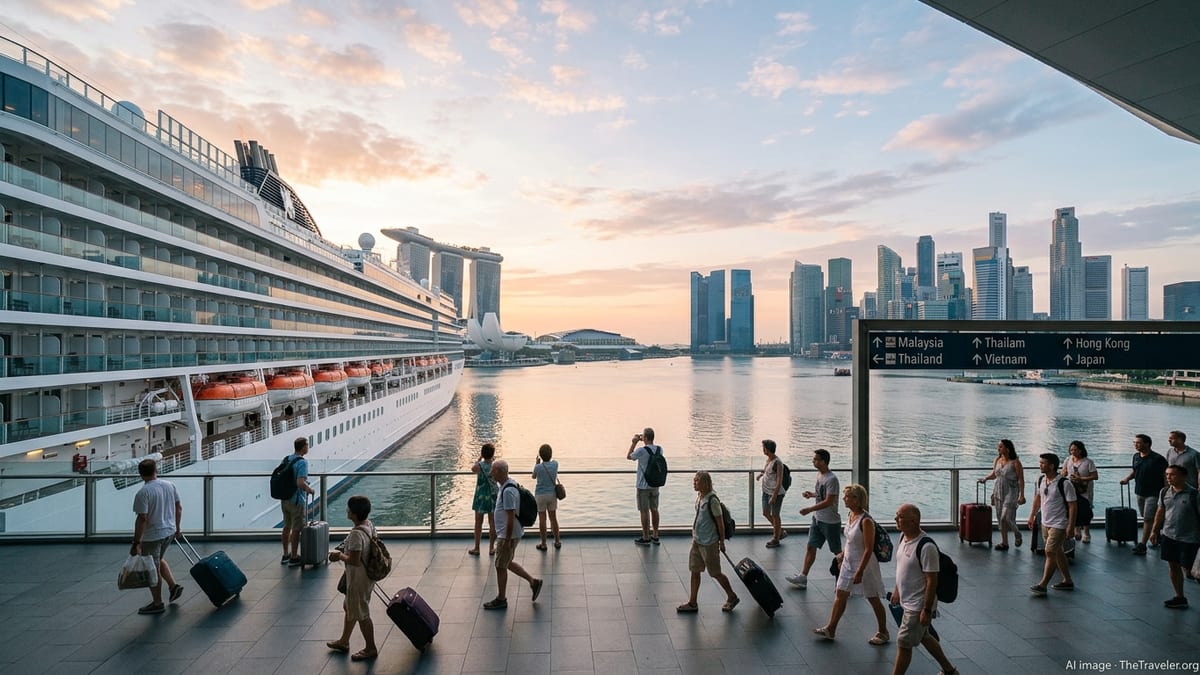
Food Tourism Becomes a High-Value Growth Engine
Recent tourism figures indicate that visitors are spending more on eating out in Singapore, turning food and beverage into one of the fastest growing components of tourism receipts. Official statistics for 2025 show record tourism takings, with food and beverage singled out as a strong contributor, highlighting how dining has moved from a side attraction to a central reason for travel to the city-state.
Data from Singapore’s tourism authorities shows that international visitor arrivals reached about 16.9 million in 2025, up from the previous year, while overall receipts climbed to new highs. Within that total, spending on food and beverage rose faster than several other segments, reinforcing Singapore’s positioning of food as a core pillar of its tourism strategy rather than simply an add-on to shopping or entertainment.
The numbers are underpinned by a deliberate focus on culinary experiences in recent years, including large-scale food festivals, high-profile chef collaborations and the growing international attention on the city’s fine-dining scene. Visitors arriving from key markets in China, Indonesia, Australia and India are now offered a tightly curated spectrum of dining, from hawker icons to tasting menus built on rare imported produce.
This increased emphasis on food is reshaping how hotels think about their role in the culinary economy. Rather than treating in-house restaurants solely as convenient amenities, many properties are using them as strategic assets designed to capture a larger share of visitor spending on meals, snacks and late-night bites.
Hotel Kitchens Pivot To Global, Borderless Menus
As food tourism intensifies, hotel kitchens are widening their sourcing nets and reconfiguring operations to deliver more globally minded menus. Industry reports on Singapore’s foodservice sector describe hotels experimenting with cross-cultural concepts that weave international influences into familiar formats, an approach aimed at satisfying visitors who increasingly expect to eat the world in one city.
Examples across the market include hotel restaurants that pair Japanese cooking with Korean flavors or introduce Mediterranean-style sharing plates built from premium seafood, heirloom grains and specialty oils. The rise of such concepts reflects a broader move toward what some chefs describe in local media as “honest food” that prioritizes flavor, quality ingredients and a sense of place, while still embracing global ideas.
To support this shift, hotels are investing behind the scenes in equipment, training and menu engineering. More kitchens are designing flexible preparation stations that can handle small-plate menus and tasting portions, rather than the large, standardized banqueting dishes that once defined hotel dining. Culinary teams are also experimenting with rotating seasonal menus that highlight specific regions or ingredients, which can be promoted as limited-time experiences to visiting gastronomes.
This operational pivot is happening against a challenging cost backdrop. Business media coverage of Singapore’s food and beverage sector notes that operators are grappling with higher wages, energy prices and rents. Hotels are responding by using premium, sometimes rare, ingredients more judiciously, building menus that balance high-ticket signature dishes with simpler, more margin-friendly plates that still feel distinctive to international guests.
Forever Young Enterprise Rides Demand For Global Ingredients
Into this changing landscape steps Forever Young Enterprise, a Singapore-based importer and distributor that has been expanding its portfolio of global ingredients for hotel and restaurant clients. Publicly available company information and trade coverage describe the business as part of a new generation of distributors that focus on specialty items, from artisanal pantry goods to frozen and chilled products that preserve quality while easing kitchen logistics.
The company’s recent activity illustrates how intermediary players are quietly powering Singapore’s food tourism boom. By aggregating demand from hotels, high-end restaurants and casual dining groups, such distributors are able to bring in premium cuts of meat, niche seafood, regional sauces and confectionery lines that would be difficult or uneconomical for individual kitchens to source directly.
For hotel chefs, this creates opportunities to build menus around products that once appeared only in standalone fine-dining venues. A hotel brasserie can now feature Latin American-inspired seafood using imported chilies and citrus, while a rooftop bar might rely on specialty syrups and snacks sourced from small producers overseas. Access to these ingredients allows properties to differentiate themselves in a crowded hospitality market that increasingly competes on food credentials.
Forever Young Enterprise and its peers also function as translators of global trends, curating ingredient lines that reflect rising interest in Korean, Middle Eastern, regional Chinese and modern European flavors. Their catalogues double as unofficial trend guides for chefs planning the next season of menus, helping ensure that Singapore’s hotel dining keeps pace with global taste shifts while retaining a local footprint.
Balancing Global Reach With Local Identity
While global ingredients are making deeper inroads into hotel kitchens, Singapore’s hospitality sector is also working to keep local culinary identity at the forefront. Tourism reports and national branding campaigns continue to spotlight hawker culture, Peranakan heritage dishes and iconic flavors such as chilli crab, laksa and Hainanese chicken rice as essential experiences for visitors.
This dual focus is shaping a new kind of hotel dining, where imported ingredients are often deployed in tandem with local produce and techniques. Some hotel restaurants, for instance, blend Japanese or European ingredients with Southeast Asian herbs and spices, while others reinterpret classic local dishes using global products more commonly associated with fine dining.
Industry commentary suggests that sustainability considerations are beginning to influence these choices. Chefs are looking to reduce waste and shorten supply chains where practical, even as they embrace hard-to-source items for headline dishes. This can mean spotlighting regional seafood alongside imported premium fish, or featuring locally grown greens and fruits with internationally sourced condiments, in an effort to balance provenance, cost and guest expectations.
For visitors, the result is a dining landscape that feels both recognisably Singaporean and unmistakably international. Food tourists can sample beloved street-food signatures at traditional venues before returning to hotel restaurants that remix those flavors using ingredients from half a world away, reinforcing the city’s reputation as a crossroads of global cuisine.
Hotels Use Culinary Strategy To Compete For Future Travelers
Looking ahead, analysts and industry bodies view food tourism as a critical lever in Singapore’s strategy to sustain record tourism receipts. Forecasts for the hotel and restaurant sector point to continued growth over the next decade, driven by rising international travel, growing middle-class spending in the region and demand for distinctive, experience-led hospitality.
Hotel groups are responding by placing culinary strategy at the center of new openings and renovations. Recent plans and announcements highlight properties that debut with multiple restaurant concepts, chef partnerships and bars designed to draw not only in-house guests but local diners and international visitors staying elsewhere. This creates a virtuous cycle in which strong food offerings enhance a hotel’s brand, encourage longer stays and generate higher per-visitor spending.
Distributors like Forever Young Enterprise are expected to remain crucial in this equation, acting as the connective tissue between global supply networks and Singapore’s kitchens. As they expand their sourcing bases and logistics capabilities, hotels gain greater freedom to experiment with menus that would previously have been too complex or costly to maintain.
With tourism receipts at record levels and food and beverage among the standout segments, Singapore’s hotel sector appears set to lean even harder into its culinary ambitions. The surge in food tourism is not only filling dining rooms; it is reshaping how hotels design their kitchens, choose their partners and define what it means to eat in one of Asia’s most globally connected cities.