


More news on this day
Hundreds of travelers have been left scrambling for alternative routes after six flights operated by Jetstar Airways, Thai VietJet Air, Bangkok Airways and other carriers were cancelled on busy Thailand routes linking Perth, Melbourne, Koh Samui, Nakhon Si Thammarat and additional destinations, according to newly compiled operational data and published coverage.
Get the latest news straight to your inbox!
Targeted Cancellations Hit Thailand–Australia Links
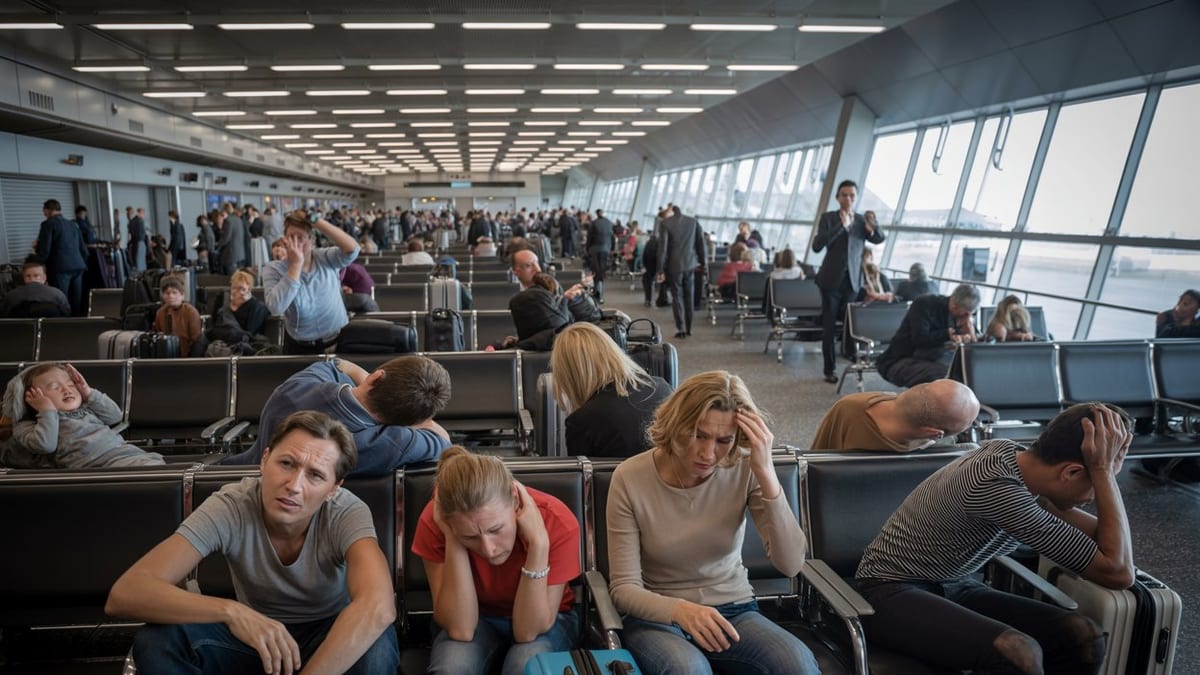
The latest disruption includes cancellations on services connecting Thailand with the Australian cities of Perth and Melbourne, routes that are popular with both holidaymakers and migrant workers. Publicly available flight-tracking data and regional aviation coverage point to affected Jetstar Airways services between Bangkok and Perth as well as Bangkok and Melbourne, with some passengers reporting being left in airport terminals for hours while they attempted to rebook.
The timing is particularly sensitive, coming in the middle of a busy travel period when demand for Thailand’s beaches and cities is high. Reduced flexibility on long-haul links means that when a single flight on the Thailand–Australia corridor is cancelled, replacement options can involve overnight waits, lengthy detours through other Asian hubs, or higher last-minute ticket prices on competing carriers.
Aviation analysts note that Thailand–Australia capacity has been rebuilding unevenly since the pandemic, with some airlines restoring routes gradually and others still operating reduced schedules. That leaves thinner margins when operational issues arise, making each cancellation more disruptive for passengers trying to move between the two regions.
While only a small number of individual services were canceled on this occasion, the knock-on impact has been amplified by tight seat availability and the broader pattern of irregular operations across Asia in recent weeks.
Domestic Thai Routes to Samui and Nakhon Si Thammarat Disrupted
The same wave of cancellations has also affected domestic Thai routes that serve major tourism and regional hubs. According to a recent update compiled by industry publication Travel And Tour World and supported by route-monitoring data, Thai VietJet Air cancelled flight TVJ330 from Bangkok to Nakhon Si Thammarat twice on consecutive mornings, disrupting early departures that many travelers rely on for same-day onward connections.
Bangkok Airways, a key operator on the high-demand Bangkok–Samui route, has been listed among the carriers experiencing cancellations and delays in Thailand during this period. The airline plays an essential role in feeding visitors onto the island of Koh Samui, where alternatives such as ferries and indirect air routings can substantially extend journey times when flights are pulled from the schedule.
For travelers heading to secondary cities like Nakhon Si Thammarat, options are even more limited. When a morning departure is canceled, passengers may need to wait for later flights operated by other carriers, reroute through different Thai airports, or switch to long-distance bus or rail services, adding many hours to their trips.
Recent operational statistics across Asia also show rising levels of delays at Thai gateways, suggesting that even flights that remain on the board may depart later than planned. This environment increases the risk of missed connections from domestic Thai services to international departures.
Six Cancellations Reflect Wider Asia-Pacific Disruption
The six affected flights in Thailand are part of a broader pattern of irregular operations across the Asia-Pacific region in mid-April 2026. Aggregated data published by multiple aviation intelligence outlets indicate that airports in Thailand, Singapore, Hong Kong, China, India and Indonesia have collectively recorded dozens of cancellations and well over a thousand delays in recent days.
In these overviews, Thai-based carriers such as Thai VietJet Air and Bangkok Airways appear among the airlines experiencing both cancellations and notable delay rates. Jetstar, which operates extensively across Asia and the Pacific, has also featured in regional disruption tallies, highlighting the strain on carriers that link Southeast Asia with Australia and other long-haul markets.
Operational issues cited in public reporting range from adverse weather and airspace congestion to aircraft rotation problems, crew availability and ongoing post-pandemic capacity adjustments. While no single factor has been identified as the sole cause of the Thai cancellations involving Jetstar, Thai VietJet and Bangkok Airways, the pattern aligns with a period of general instability across Asia’s aviation network.
For travelers, this means that what might appear to be isolated cancellations can in fact be symptoms of wider disruption, making it harder to rely on tight connections or last-minute bookings across multiple airlines and hubs.
Passengers Report Being Stranded and Facing Longer Journeys
Travelers affected by the cancellations in Thailand have described being left stranded at airports while they sought new itineraries. According to traveler accounts shared on public forums and summarized in regional travel coverage, some passengers on Jetstar routes between Thailand and Australia have been offered rerouting via alternative Asian hubs, extending journeys by many hours and sometimes requiring overnight stops.
Domestic travelers and tourists within Thailand have faced their own challenges. Cancelled Thai VietJet services to Nakhon Si Thammarat, along with reduced availability to destinations like Koh Samui, have forced some to rebook on later flights or switch to multi-leg journeys involving ground transport and secondary airports. In several cases, this has meant arriving at resorts or family destinations much later than planned, disrupting holidays and personal schedules.
Consumer advocates note that passengers’ rights and compensation options vary by airline and departure point. Travelers departing from Thailand are generally subject to each carrier’s contractual conditions and any applicable local regulations, which may differ from more prescriptive compensation regimes in other regions. As a result, outcomes can range from simple rebooking on the next available flight to partial refunds or travel credits, depending on the circumstances.
Given the combination of tight capacity and recurring disruptions, some industry commentators are encouraging travelers in Asia to build more time into their itineraries, especially when connecting between domestic Thai flights and long-haul services to Australia or Europe.
What Travelers Should Watch in the Coming Days
With flight schedules still volatile across parts of Asia, travelers planning journeys involving Thailand are being advised by travel media and aviation data providers to monitor their bookings closely in the coming days. Same-day checks on airline apps and airport departure boards can help identify any schedule changes or aircraft swaps that might signal a higher risk of delays.
Travel planners also highlight the importance of considering alternative routings when booking tickets to or from cities like Perth and Melbourne via Bangkok. Choosing slightly longer connections that allow more buffer time, or selecting carriers with multiple daily frequencies on the same route, can provide more options if a particular flight is cancelled.
For domestic Thai segments, observers suggest that passengers heading to islands or regional cities such as Koh Samui and Nakhon Si Thammarat should account for the limited number of daily flights and the potential for weather or operational issues to cause disruption. Building flexibility into hotel check-in times and activity plans can reduce stress if schedules change at short notice.
As airlines across the region continue adjusting capacity and timetables, industry analysts expect intermittent pockets of disruption to persist. For now, the six cancellations involving Jetstar Airways, Thai VietJet Air, Bangkok Airways and others serve as a reminder that even a small number of axed flights can create outsized consequences for travelers when networks are running close to their limits.