


More news on this day
From early winter storms over southern ski fields to festive light displays drawing peak-season crowds and an unexpected prison escape in Europe, travelers this week are facing a mix of weather-related challenges, holiday congestion and security disruptions across multiple regions.
Get the latest news straight to your inbox!
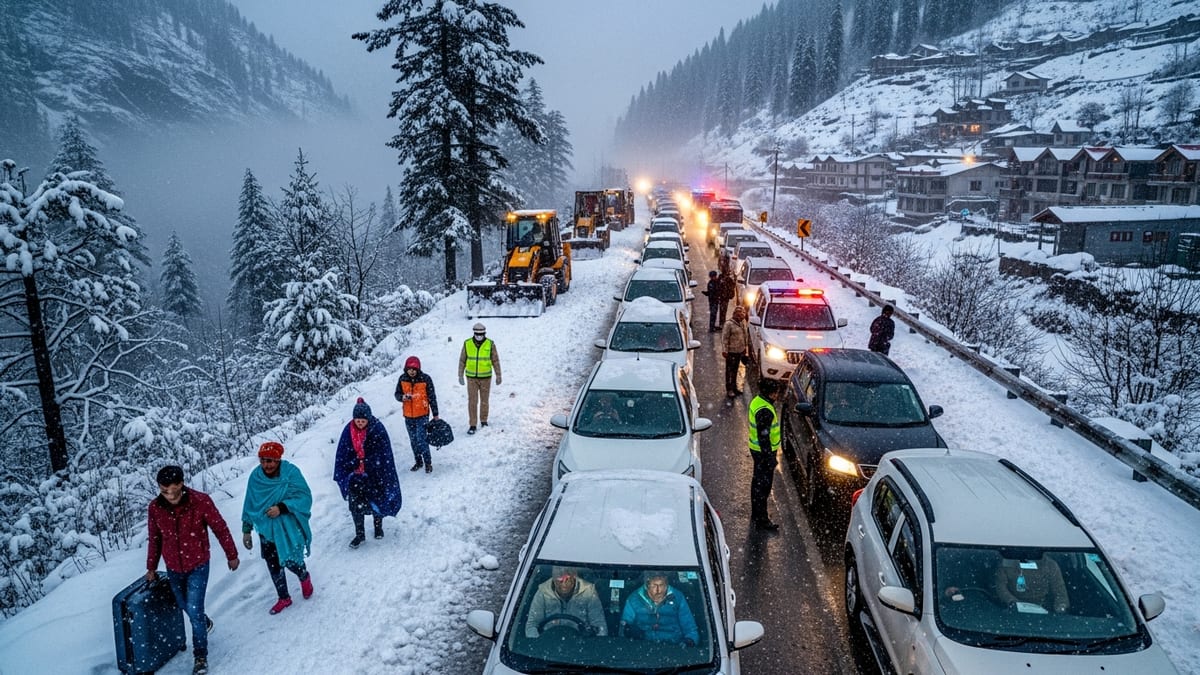
Southern Snowfields Face an Uneven Start to Winter
Early-season conditions across Southern Hemisphere ski destinations are proving highly variable, creating a complex picture for travelers planning mountain trips. In Australia, most major resorts opened for the 2026 season around the King’s Birthday long weekend after a burst of natural snow and intensive snowmaking created limited but skiable terrain. Forecasts now point to a warmer, wetter spell that may thin already modest bases and restrict terrain over the coming week.
In New Zealand, publicly available snow reports and forecast roundups indicate a slower start, with some higher-altitude fields still waiting on sustained natural snowfall before fully opening. Prospective visitors are being advised by regional tourism and mountain-forecast outlets to check daily operations, lift status and road conditions rather than relying on traditional opening dates.
Across the Andes, outlooks are more optimistic, with mountain weather analyses highlighting the potential for significant storms to build early-season bases at key Chilean and Argentine resorts. While those systems could deliver improved ski conditions, they may also heighten avalanche risk and trigger intermittent road closures on high passes, especially during and immediately after heavy snow.
Travelers heading to any Southern Hemisphere snowfield in the coming days are being urged by meteorological and road agencies to monitor real-time forecasts, carry chains where required, and build flexibility into itineraries in case rain softens conditions or fresh snow temporarily restricts access.
Holiday Lights and Crowds Shape Urban Travel
As mid-year tourism ramps up in the Northern Hemisphere, cities preparing for large-scale light displays and festive events are again bracing for crowding and transport bottlenecks. Recent holiday travel advisories from major metropolitan transport operators in North America and Europe, issued for the most recent Christmas and New Year period, highlighted record or near-record passenger volumes across airports, commuter rail and road corridors serving popular urban attractions.
Year-end briefings from several port and transit authorities show that illuminated waterfronts, landmark Christmas trees and winter markets can push stations, bridges and approach roads to capacity during peak evening viewing hours. While those advisories focused on the 2025 holiday season, officials in subsequent planning documents have signaled that similar or higher demand is expected for the upcoming winter, driven by strong leisure travel and event calendars.
Authorities and transport agencies typically respond with extended service on key rail and bus lines, adjusted traffic signal timing and temporary pedestrian control near major displays. Nonetheless, travelers are advised in public communications to factor in long waits, shoulder-to-shoulder conditions on platforms, and slower journey times when visiting high-profile light festivals or Christmas districts.
Visitors planning trips that coincide with these events are encouraged to travel outside of core evening peaks where possible, use public transport rather than private vehicles in dense city centers, and allow extra connection time when moving between airports, central stations and festival zones.
Winter Storms and Mountain Pass Closures Remain a Risk
Recent months have underscored how quickly winter weather can upend travel, even outside the deepest part of the season. In February, a powerful blizzard in North America disrupted road, rail and air networks across multiple states, while separate winter storm watches in the U.S. West warned of “major travel impacts” around key mountain corridors.
Regional weather services have emphasized in post-season summaries that heavy snow, strong winds and sudden temperature swings can combine to create treacherous conditions on high passes and ski access roads with relatively little lead time. Advisories for areas such as the Cascades, Sierra Nevada and Rockies have repeatedly urged drivers to carry winter equipment, be prepared for chain requirements and anticipate closures or significant slowdowns when multi-day snow events are in the forecast.
For travelers, the main implication this week is the importance of watching short-term outlooks rather than assuming that late-season or shoulder-month trips will be unaffected by winter hazards. Even as many resorts wind down lift operations, lingering snowfields and rapidly changing conditions at elevation can still trigger avalanche warnings, restrict backcountry access and complicate overland routes.
Those planning to combine city breaks with mountain excursions are advised to keep itineraries flexible, avoid tight same-day connections between flights and long drives through high passes, and to follow the latest guidance from road, weather and park agencies before setting out.
Security Concerns After Prison Break Add a New Layer of Caution
Alongside weather and holiday pressures, security issues are also affecting travel patterns this week following a widely reported prison break in Europe that has prompted heightened checks along certain road and rail corridors. According to international news coverage, a small group of inmates escaped from a regional correctional facility, leading to intensive search operations in surrounding areas and visible increases in police and border-guard activity.
While there is no broad advisory discouraging travel to the affected country, local media report temporary disruptions on some secondary routes and occasional spot checks on major highways and at selected transport hubs. Travelers passing through these regions may experience delays, especially if driving rental cars or crossing internal borders where identity verification has been stepped up.
Security analysts quoted in recent coverage suggest that the direct risk to visitors remains low, but emphasize that large-scale search operations can have unintended knock-on effects for mobility, from traffic queues at checkpoints to schedule adjustments on regional rail services. The situation also illustrates how localized security incidents, even when contained, can complicate overland travel during otherwise normal tourism periods.
Visitors with itineraries that intersect the affected area are therefore advised to carry identification at all times, allow extra time for overland segments and monitor local news for any updates on search zones, roadblocks or recommended diversions.
How Travelers Can Navigate a Volatile Week
The convergence of snow-related uncertainty, festive-season planning and an unexpected prison escape highlights the breadth of factors that can influence travel in a single week. For snow-seekers in the Southern Hemisphere, the key variables are shifting storm tracks and marginal early-season bases, which can alternately enhance skiing conditions or limit operations and access.
Urban travelers focusing on holiday lights and cultural events face a different challenge: managing congestion at peak times around popular attractions and transport nodes. Recent advisories suggest that route planning and timing adjustments can significantly reduce stress, particularly for families and older visitors navigating crowded stations and streets.
Overlaying these are intermittent security disruptions such as the current prison break response, which may not alter overall risk profiles for most destinations but can still introduce unexpected checkpoints, detours or documentation requirements. In practice, that means building redundancy into flight-to-train connections, keeping digital and physical copies of travel documents and remaining attentive to local information channels.
Across all these scenarios, travel planners emphasize a similar set of tactics: monitor trusted weather and traffic sources, stay flexible with routes and timings, and be prepared for last-minute changes. This week’s mix of snowfields, Christmas lights and a prison break underlines that successful travel increasingly depends not only on where people go, but on how quickly they can adapt when conditions shift.