


More news on this day
A new federal security screening program is raising the prospect that Houston’s two major airports could one day replace Transportation Security Administration agents with private contractors, a shift aimed at preventing the marathon lines and travel disruptions that have defined recent U.S. government shutdowns.
Get the latest news straight to your inbox!
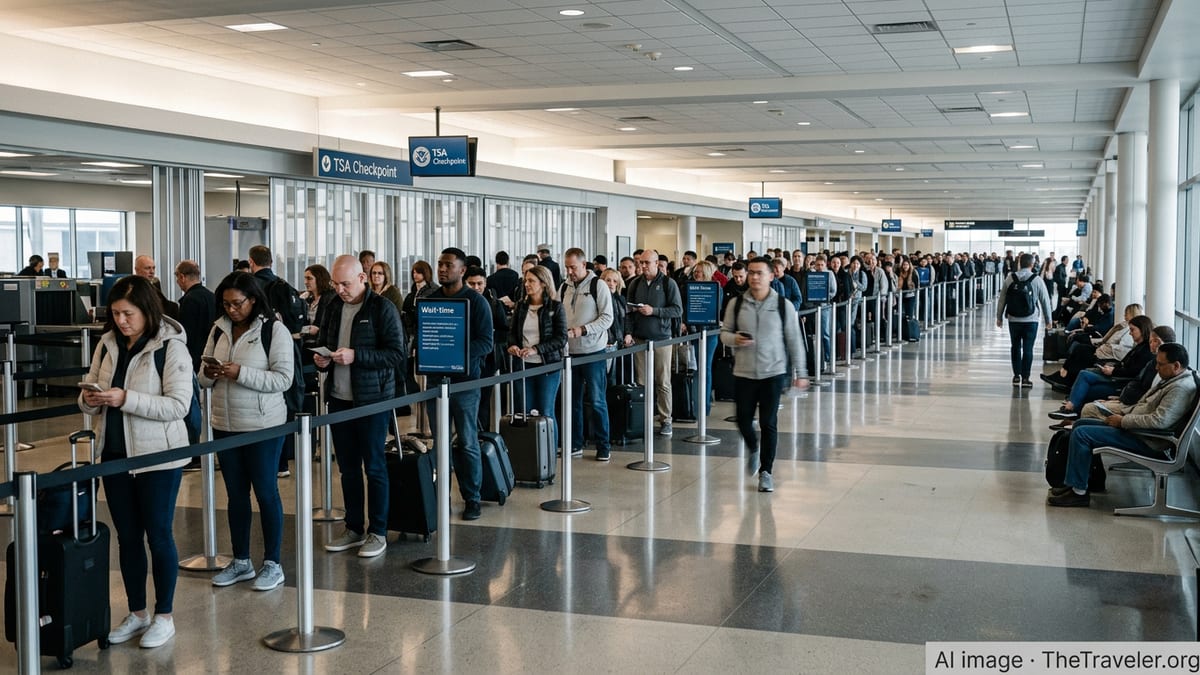
New federal program offers alternative to TSA screening
According to recent coverage, the federal government has launched a new initiative that gives airports an additional avenue to apply for private screening services in place of Transportation Security Administration officers. The effort is being described as an expansion and streamlining of existing options for contracting out security functions, with the stated goal of maintaining checkpoint operations even if federal funding is interrupted.
Reports indicate that the latest program is designed to make it easier for airports that are not already using private screeners to explore alternatives before the next political standoff in Washington. It allows participating airports to contract with qualified security firms that must still meet Transportation Security Administration standards, while the agency retains oversight of training, procedures and technology.
Publicly available information shows that this option is being framed as a contingency tool rather than a wholesale retreat from federal control. The Transportation Security Administration would continue to set security rules and approve vendors, but day to day staffing and pay would be handled by private employers that are not directly subject to federal shutdown orders.
Houston’s shutdown struggles put focus on security lines
The prospect of Houston joining such a program comes after multiple shutdown episodes in 2025 and 2026 that severely strained security checkpoints at George Bush Intercontinental Airport and William P. Hobby Airport. News reports describe scenes of lines stretching across terminals, with travelers being advised to arrive four or even five hours before departure as wait times climbed into the multiple hour range.
Coverage of the 2025 federal shutdown shows that Houston was among the major hubs hit by staffing shortages and air traffic limits when thousands of federal employees, including Transportation Security Administration officers and air traffic controllers, worked without pay or called out. Flight reductions ordered at selected airports, including Bush Intercontinental, were implemented to keep traffic at levels that remaining staff could manage.
Further reporting on the 2026 shutdowns notes that conditions in Houston worsened during peak travel periods such as spring break. Hobby Airport in particular experienced hours long waits at standard checkpoints, as a limited number of federal screeners tried to keep pace with surging passenger volumes. These episodes have since become case studies in how political stalemates in Washington can ripple through local travel networks.
Could Bush and Hobby actually replace TSA officers?
For now, Houston’s major airports continue to rely on Transportation Security Administration personnel at their checkpoints, and there has been no formal announcement that Bush Intercontinental or Hobby have applied to join the new private screening option. However, reports examining the policy shift suggest that large hub airports are among the locations being encouraged to evaluate whether an alternative model could provide more resilience in the event of another prolonged shutdown.
Industry analysis indicates that any move away from federally employed screeners would involve a detailed application and review process. Airports would need to demonstrate that private contractors can meet or exceed current screening standards, integrate with existing checkpoint layouts and technology, and coordinate with airport police and federal agencies. That process typically takes months and requires sign off from Transportation Security Administration leadership.
Houston’s position as a major domestic and international gateway, coupled with its recent history of disruption during shutdowns, makes it a likely candidate for at least studying the option. Commentaries in aviation trade outlets note that airport operators and local officials across the country are weighing whether the costs of shifting to private screeners are justified by the potential to avoid the worst effects of future funding lapses.
Supporters see flexibility, union raises alarm
Supporters of the new federal program argue that giving airports like Bush Intercontinental and Hobby access to private security contractors could insulate travelers from the most visible consequences of a shutdown. Because private employees are not paid directly from annual appropriations, they may be able to continue working and receiving paychecks even if Congress fails to pass a budget, reducing the likelihood of sick outs, attrition or closed checkpoints.
Some aviation analysts also contend that private employers may have more flexibility to adjust staffing, wages and incentives quickly when disruptions loom. They point to earlier experiences at a handful of U.S. airports that have long operated with private screeners under Transportation Security Administration oversight, citing generally comparable security performance and, in some cases, more stable staffing.
Labor organizations representing federal Transportation Security Administration workers, however, have expressed strong opposition in public statements and interviews cited by recent news coverage. Union leaders argue that expanding private screening would put thousands of federal jobs at risk, weaken collective bargaining power and open the door to a patchwork of employment standards. They also question whether shifting paychecks to private firms meaningfully shields workers if broader travel demand plummets during a political crisis.
What travelers can expect in the near term
For Houston passengers planning trips in the coming months, publicly available guidance continues to emphasize preparation rather than structural change. Airport advisories in recent shutdowns have urged travelers to build in substantial extra time for security, monitor checkpoint wait information when available and stay in close contact with airlines about possible schedule changes.
Transportation industry testimony before Congress in 2026 highlights that air travel demand has reached or exceeded pre pandemic records, which means that even routine staffing gaps can quickly translate into long lines. As a result, aviation groups are pressing lawmakers to establish more predictable funding for agencies that handle security and air traffic control, alongside exploring tools such as the expanded private screening option.
Whether Houston ultimately pursues a formal application to replace some or all Transportation Security Administration officers with private contractors will depend on how the new program evolves and how local leaders judge the tradeoffs between stability, cost and worker protections. For now, the initiative signals that federal policymakers are searching for ways to keep airport checkpoints functioning during future budget showdowns, with Houston’s recent shutdown experiences serving as a prominent example of what is at stake for travelers.