


More news on this day
Guyana’s preparations to host the Caribbean Tourism Organization’s State of the Tourism Industry Conference (SOTIC) in October 2026 are coinciding with a wave of new and expanded airline services, creating fresh opportunities for travelers moving between the Caribbean, South America and major North American and European hubs.
Get the latest news straight to your inbox!
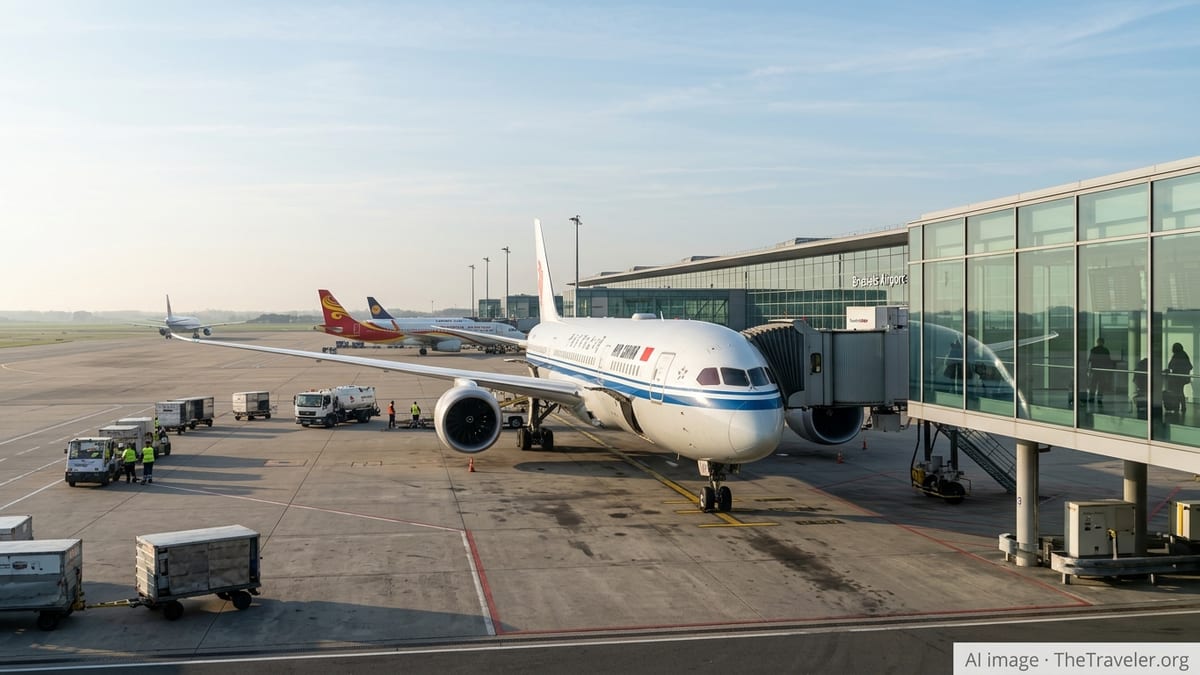
Guyana Positions Itself as a Regional Air Hub Ahead of SOTIC 2026
According to publicly available information from the Caribbean Tourism Organization, SOTIC 2026 is scheduled for October 5 to 9 in Guyana under the theme “One Caribbean: Infinite Experiences,” with the host country expected to showcase its rapid tourism growth and expanding connectivity. The conference is regarded as one of the region’s key industry gatherings, drawing tourism leaders, airlines and investors from across the Caribbean and beyond.
Government budget documents and recent policy statements indicate that Guyana is actively using the lead up to SOTIC to deepen its aviation links and market itself as a southern Caribbean gateway. Official releases highlight plans to engage carriers on route development, strengthen air traffic infrastructure and leverage the event to promote Guyana’s eco and community based tourism product to regional and long haul markets.
Recent reporting from Guyana’s Department of Public Information describes tourism as a growing pillar of economic diversification, with projections of around 550,000 visitors by the end of 2026 and a strong emphasis on improving connectivity and standards across the sector. Those ambitions align closely with the Caribbean Tourism Organization’s push for more integrated, multi destination travel within the region, a theme expected to feature prominently at SOTIC.
Analysts following Caribbean aviation trends note that hosting rights for high profile industry events often coincide with new or upgraded airline partnerships, as destinations seek to lock in additional capacity ahead of increased media exposure and business travel. Guyana’s current pipeline of route launches and airport investments suggests a similar trajectory.
New Airline Services Expand North American and European Access
Reports from Caribbean focused travel media show that Guyana’s most visible airlift gains ahead of SOTIC are centered on North American markets. Caribbean Journal and local outlets highlight the launch of daily nonstop flights between Toronto and Georgetown by Caribbean Airlines from July 1, 2026, adding significant capacity on a route that links a major diaspora and tourism source market with one of the Caribbean’s fastest growing destinations.
In addition to Caribbean Airlines’ expansion, Canadian carrier Air Transat has introduced its own Canada Guyana service, while Air Canada and other airlines continue to serve Georgetown from Toronto. Travel trade coverage indicates that these moves respond to sustained growth in demand for leisure, business and family travel, helping to support Guyana’s record visitor figures and giving travelers more schedule and price options.
On the European side, budget detail summaries for 2026 reference added capacity from KLM Royal Dutch Airlines between Amsterdam and Georgetown, involving more than 1,600 additional weekly seats. Aviation observers describe these flights as an important link between northern Europe and the Guiana Shield region, enabling same day connections from multiple European cities into Guyana via Amsterdam and positioning Georgetown as a potential springboard to other Caribbean destinations.
These developments sit alongside existing services from American Airlines, JetBlue and other carriers that connect Guyana to hubs such as Miami and New York. Combined, the expanded network reduces travel times, opens up more one stop itineraries across the wider Caribbean and increases the likelihood that visitors attending or following SOTIC will pair Guyana with neighboring island destinations.
Regional Routes and Intra Caribbean Connectivity Gain Momentum
While long haul access is crucial, industry commentary consistently identifies limited intra Caribbean air links as one of the main barriers to multi destination travel. Recent reporting from News Room Guyana and other outlets points to early moves to address this in the Guiana Shield, with a Guyanese carrier exploring a Georgetown Paramaribo Cayenne routing that would directly connect Guyana with Suriname and French Guiana.
Diplomatic statements from French and Guyanese representatives, as summarized in local media, frame the proposed route as part of a broader effort to link the three Guianas more closely by air, strengthening trade and tourism and reducing reliance on multi leg journeys through distant hubs. If realized, such a service would give travelers new options to combine rainforest, cultural and coastal experiences across three territories in a single trip.
Regionally, Caribbean Airlines remains a key connector between Guyana and Caribbean islands, operating services that tie Georgetown into wider networks via Trinidad and other hubs. Aviation trend reports note that these links are increasingly important as destinations promote “One Caribbean” itineraries that encourage visitors to experience both mainland and island environments on the same vacation.
Observers suggest that SOTIC 2026, taking place in Guyana, will likely intensify conversations around new codeshares, schedule coordination and niche regional routes that can feed growing long haul services. The combination of new North American and European flights and emerging short haul options strengthens Guyana’s role as a bridge between the Caribbean archipelago and the northern tier of South America.
Infrastructure Investments Support Rising Passenger Volumes
As air services grow, Guyana’s authorities are moving to ensure that airports can handle increased traffic. Local coverage of a recently outlined 10 point aviation plan describes proposals to expand terminals, develop municipal airports, modernize air navigation systems and upgrade hinterland airstrips that service remote tourism areas.
News features on Cheddi Jagan International Airport report that Guyana has so far avoided the severe congestion seen at some regional gateways, despite rapid growth in passenger numbers. Industry analysts attribute this partly to phased infrastructure works and capacity planning, but caution that sustained expansion in airline services will require continuous investment to maintain reliability and traveler satisfaction.
Budget allocations for 2026, as summarized in Ministry of Finance publications, earmark funding to complete a national Hospitality and Tourism Institute and advance projects such as the Palmyra Cultural Market. While not aviation projects in a narrow sense, these initiatives are expected to enhance the overall visitor experience and support higher value tourism linked to the increased airlift generated around SOTIC.
Public information on the emerging National Tourism Policy points to a coordinated approach that links connectivity improvements with product development and training. By aligning aviation upgrades with hospitality skills and cultural infrastructure, Guyana is positioning itself to convert more transit passengers and conference delegates into longer stay visitors.
What the New Air Links Mean for Caribbean Travelers
Travel and tourism analysts say the combination of new and expanded airline partnerships is reshaping how visitors can experience the Caribbean from a Guyana gateway. Daily Toronto services, greater European lift and stronger regional connections mean travelers have more flexibility to design itineraries that include Guyana’s rainforest and river based attractions alongside classic island beach stays.
For the Caribbean diaspora in Canada, the United States and Europe, the additional routes translate into more frequent, and potentially more competitively priced, travel options for family visits and business trips. Increased capacity often stimulates demand across the region, as travelers discover that they can route through Georgetown to reach other Caribbean or South American destinations that were previously time consuming or complex to access.
Within the Caribbean, tourism stakeholders are watching closely to see how SOTIC 2026 influences longer term route planning. Industry reports suggest that airlines are more inclined to test new services and schedules when they can piggyback on the visibility and traffic generated by major conferences. If routes launched around the event perform well, they may become permanent fixtures, locking in a higher baseline of connectivity for the region.
For now, the convergence of SOTIC 2026, Guyana’s tourism surge and a slate of airline initiatives is giving travelers more options than ever before to move between the Caribbean and South America. As bookings open for the October conference and the peak 2026 2027 travel seasons, the country’s evolving air network is likely to be a central focus for both tourism planners and visitors looking for new ways to explore the wider region.