


More news on this day
Southwest Airlines has officially arrived in Alaska, launching its first scheduled flights to Anchorage and linking the state more directly to major U.S. leisure and business markets including Colorado, Nevada, California and Texas.
Get the latest news straight to your inbox!
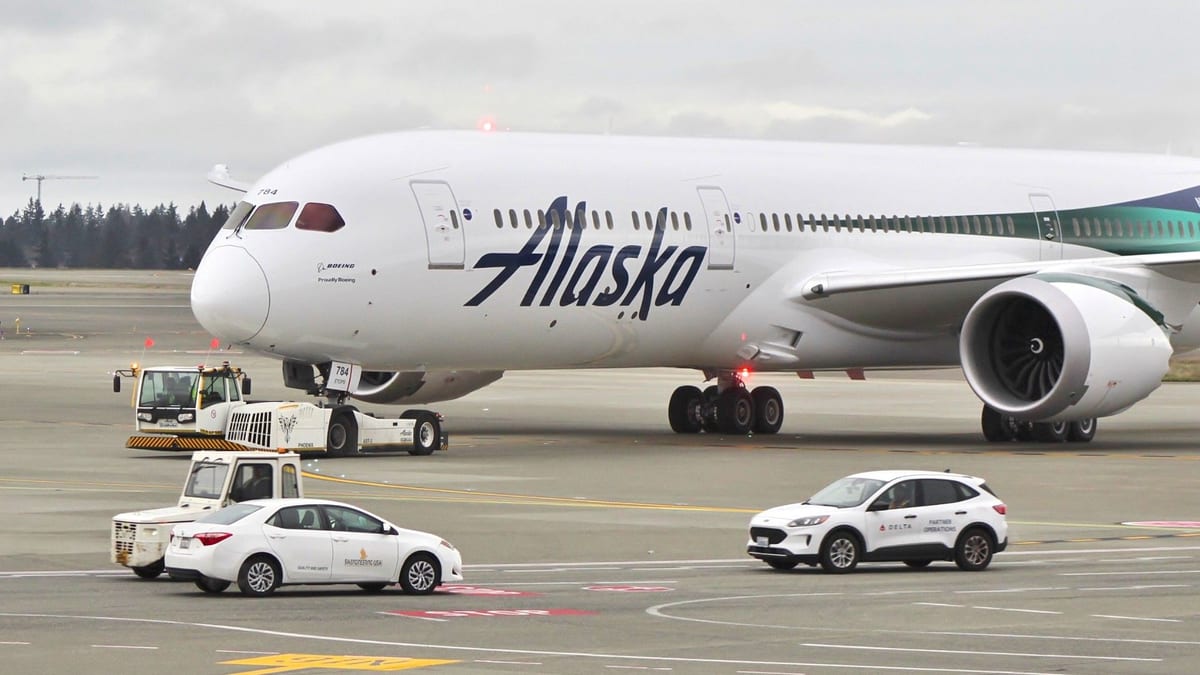
First Southwest Flights Reach the Last Frontier
Seasonal nonstop service between Denver, Las Vegas and Anchorage began in mid May 2026, marking Southwest Airlines’ first entry into the Alaska market. Publicly available schedules show daily flights from Denver International Airport and Harry Reid International Airport feeding into Ted Stevens Anchorage International Airport, placing Anchorage inside the carrier’s domestic network for the peak summer season.
The launch follows a 2025 announcement outlining plans to add Anchorage in the first half of 2026 as Southwest’s 122nd airport. Network updates described Alaska as a logical next step in the airline’s decades long push from a regional carrier in the Southwest to a national operator with a coast to coast footprint.
Industry coverage notes that Anchorage is entering the network as a seasonal destination timed around the state’s tourism peak, when demand for outdoor adventure, cruise connections and extended daylight hours across the “midnight sun” season is at its highest.
Early flight tracking reports from aviation enthusiasts have highlighted the inaugural services operating between Denver, Las Vegas and Anchorage, underscoring the attention the new routes are drawing among travelers and airline watchers.
Connecting Alaska to the Heart of Southwest’s U.S. Network
By choosing Denver and Las Vegas as the first nonstop gateways, Southwest is tapping two of its largest and most strategically important operations. Public route data lists Denver as one of the airline’s busiest airports, with hundreds of daily departures across the United States, while Las Vegas serves as a major leisure and connecting hub in the Southwest system.
From Anchorage, travelers can now connect through Denver or Las Vegas to reach long established Southwest strongholds such as California, Texas, and other Western and Central states. Destinations like Los Angeles, Oakland, Phoenix, Dallas Love Field and Houston Hobby already see dense Southwest schedules, making one stop links between Alaska and these markets relatively straightforward.
Southwest’s own destination information for Anchorage promotes the city as a gateway where urban services meet outdoor exploration, reflecting an effort to plug Alaska into the same network of vacation packages, rapid connections and low fare branding that the airline has used across its Lower 48 markets.
Travel analysts suggest the strategic pairing of Anchorage with high volume connecting hubs will allow Southwest to test demand from a broad mix of passengers, including cruise visitors, independent vacationers, visiting friends and relatives traffic, and business travelers tied to resource industries.
Competitive Pressure in a Crowded Anchorage Market
Anchorage is already served by large domestic carriers and Alaska based airlines that have long maintained links to the Lower 48, including existing nonstop routes to Denver and other major hubs. Reports from aviation media and local travel commentary indicate that Southwest’s arrival is expected to add capacity and intensify price competition, particularly on peak summer travel dates.
Local travel writers in Alaska have noted that each new entrant historically pushes fares lower or at least slows price increases, especially when carriers overlap on the same long haul routes. With Southwest now flying between Anchorage and Denver and Las Vegas, travelers comparing fares to and from Colorado, Nevada, California, Texas and beyond are likely to see a wider spread of options.
The Anchorage airport’s most recent annual reports highlight a broader pattern of growth that includes added service from other North American airlines. Within that context, Southwest’s seasonal operation is framed as part of a larger effort to expand the city’s role as both an international cargo gateway and a passenger hub for the state’s tourism and business sectors.
Some industry commentary also questions how Southwest will position itself against established competitors that already have brand recognition in Alaska and entrenched loyalty programs, especially outside the summer high season.
Anchorage as a Test Case for Future Alaska Expansion
Scheduling information released for 2026 indicates that Southwest’s Anchorage flights are currently limited to summer seasonal service, with no additional Alaska cities announced so far. Statements in public documents emphasize that the airline tends to “grow where it does business,” suggesting that performance on the first season’s flights could influence any future decisions on new routes within the state.
Observers in airline industry forums have speculated about potential next steps, including possible links between Anchorage and major West Coast cities such as Oakland, San Diego or Los Angeles, all of which already function as important Southwest bases. However, no additional Alaska routes have been formally loaded into public schedules.
For now, Anchorage serves as a test case for how the Southwest model of point to point flying, high aircraft utilization and simplified fleet operations can translate in a geographically distant and seasonally driven market. The success of the Denver and Las Vegas links will likely be monitored closely by airline planners, tourism officials and competing carriers.
Travel planners note that if the summer program proves profitable, Southwest could eventually consider expanding shoulder season flying or adding new Alaska destinations, though any such moves would depend on broader network and fleet considerations.
What Travelers Can Expect on the New Routes
According to publicly available fare searches, introductory pricing on the Anchorage routes has been competitive with other carriers during select off peak days, with variation around major holidays and popular cruise departure windows. Southwest’s standard policies, including two checked bags included for most customers and no change fees on most fares, apply on the new Alaska flights.
Flight timetables show the Anchorage services operating with daily frequencies during the core summer months, with timings designed to facilitate onward connections in Denver and Las Vegas while still giving travelers daylight arrivals into Anchorage during much of the season.
Travel advisors encourage passengers considering the new routes to pay close attention to the seasonal schedule patterns, as service levels may shift as Southwest evaluates demand and adjusts its broader network. For visitors from Colorado, Nevada, California, Texas and other Southwest strongholds, the new links provide another option to reach Alaska’s largest city with a familiar carrier.
As the first season of Southwest flying in Alaska unfolds, Anchorage joins a long list of U.S. markets that have seen the airline arrive with a blend of low costs, streamlined service and competitive capacity, potentially reshaping how travelers move between the Lower 48 and the country’s northernmost state.