


More news on this day
UK holidaymakers are being urged to rethink how they pack power banks and vapes as easyJet and other major airlines promote tighter lithium battery rules aimed at preventing in-flight fires and delays this summer.
Get the latest news straight to your inbox!
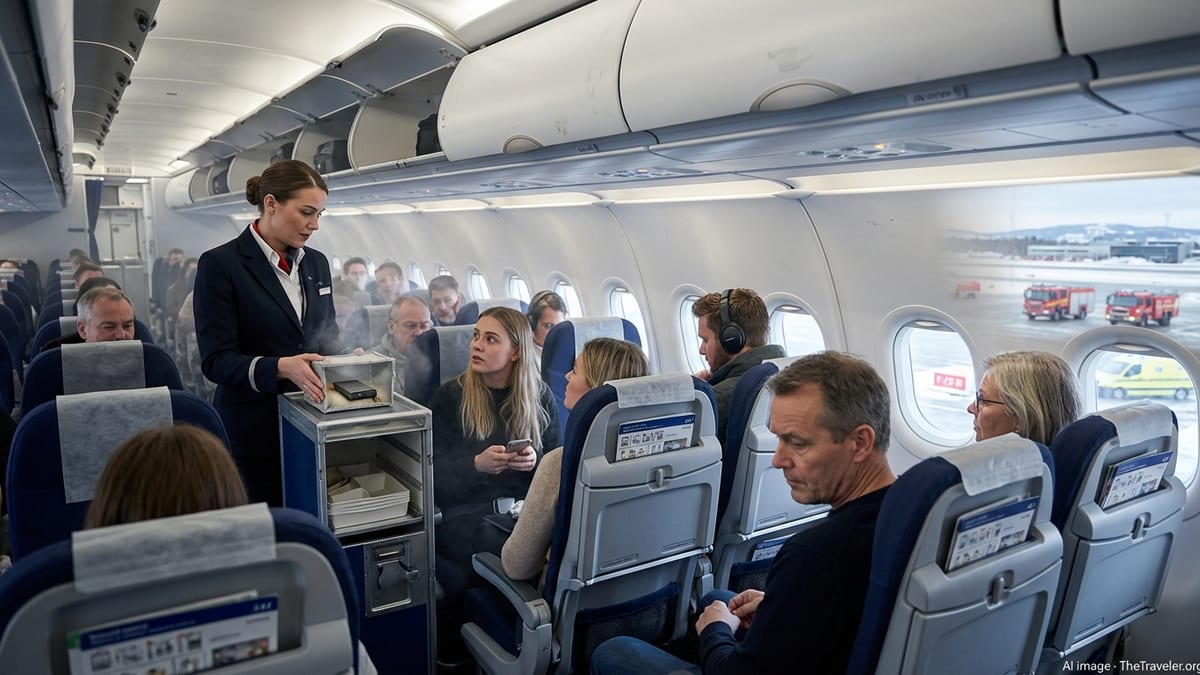
Safety Push Puts Lithium Batteries Under the Spotlight
Recent safety campaigns in the UK have placed renewed focus on lithium battery risks, highlighting power banks, vapes and spare batteries as items that need extra care when packed for flights. The UK Civil Aviation Authority (CAA) has warned that incorrectly packed electrical gadgets can contribute to flight delays and heighten the risk of onboard smoke or fire incidents, prompting airlines to step up messaging and enforcement around what goes in the cabin and what must stay out of the hold.
Publicly available guidance from the CAA now stresses that passengers should always carry spare batteries, vapes, e-cigarettes and power banks in their cabin baggage, not in checked luggage. Campaign materials, including the regulator’s "Pack Right. Safe Flight" advice, aim to catch travellers’ attention at the booking, packing and airport stages, underlining that cabin crew are better able to spot and respond to an overheating battery when it is in the cabin rather than deep in the aircraft hold.
This regulatory push has coincided with a wave of international concern over lithium battery fires in passenger cabins. Documents from international aviation bodies note that some regulators and airlines have begun to respond by tightening policies on where power banks can be stowed and how they are used, with specific references to overhead-bin storage and pre-flight safety briefings.
easyJet Clarifies Power Bank Limits and Smart Luggage Rules
In line with the wider focus on battery safety, easyJet has refreshed its online dangerous goods information to spell out what passengers may bring on board. The airline’s guidance confirms that power banks with lithium batteries up to 160 watt hours are accepted on its aircraft, but only in cabin baggage. Power banks are treated as spare batteries and therefore cannot be placed in checked bags under any circumstances.
Smart suitcases are a particular focus. easyJet’s policy states that if a smart bag is to be checked into the hold, its removable lithium battery or integrated power bank must be disconnected at bag drop and carried separately into the cabin. The carrier’s information highlights that this requirement follows international dangerous goods regulations, which treat the battery as the key risk item rather than the suitcase shell.
The airline’s rules sit alongside broader CAA thresholds, which indicate that power banks up to 100 watt hours are generally allowed in cabin bags, while larger devices between 100 and 160 watt hours may depend on individual airline rules or approvals. easyJet’s explicit acceptance of units up to 160 watt hours, within cabin-only limits, brings its policy into line with this upper band while still keeping such batteries out of the hold.
Vapes and E-cigarettes Restricted to the Cabin
Vapes and e-cigarettes are also receiving renewed attention as part of the same safety trend. CAA guidance classifies these as battery-powered portable electronic smoking devices which must be carried in the cabin rather than checked baggage, with restrictions on charging and use in flight. The regulator’s public-facing "Pack Right" campaign specifically lists vapes alongside power banks as items that should never be packed in hold luggage.
easyJet, like most major UK and European carriers, prohibits the use of vapes on board and requires them to be stored safely during the flight. Passengers are typically instructed to keep devices on their person or in hand luggage and to ensure they are protected from accidental activation, for example by switching them off properly and preventing the fire button from being pressed inside a bag or pocket.
The safety emphasis on vapes comes against the backdrop of wider UK public health legislation. The Tobacco and Vapes Act 2026 introduces tighter national rules on vape sales, advertising and flavours, and builds on earlier government plans to ban many disposable vapes. While this law is framed around public health and youth vaping rather than aviation, it contributes to a climate in which tighter controls and clearer messaging around vaping products, including on flights, are increasingly expected by regulators and operators.
Other UK Airlines Refine Cabin-Only Policies
Across the UK market, rivals to easyJet have been adjusting and clarifying their own power bank and vape rules, often going beyond the base CAA guidance. Jet2’s published restricted-items information, for example, confirms that power banks are permitted but emphasises that they must be carried in cabin baggage and notes automatic operator approval for certain higher-capacity units up to 160 watt hours. This reflects a growing tendency for airlines to codify the upper limits and make them easier for travellers to check.
Ryanair’s online advice likewise confirms that power banks belong in hand luggage only and specifies that they must not be recharged during the flight, including using one power bank to charge another. British Airways’ restricted items list adopts similar capacity thresholds, generally allowing up to two larger lithium batteries in the 100 to 160 watt-hour range in cabin bags only, and underlines that smart baggage containing lithium batteries may be refused if the battery cannot be removed.
Consumer advice outlets in the UK have also stepped in to decode the differing airline policies. Independent reviews note that while the CAA sets overarching safety expectations, individual carriers interpret the rules slightly differently, particularly around on-board use of power banks and the exact number and size of batteries permitted. Travellers are therefore urged to check both the regulator’s guidance and their specific airline’s dangerous goods page before departure.
What UK Travellers Need to Do Before Flying
For passengers departing UK airports, the main practical change is not that power banks and vapes are suddenly forbidden, but that enforcement of existing rules is becoming more visible and, in some cases, more detailed. Airport and airline safety campaigns now highlight lithium batteries as a top packing risk, warning that bags containing undeclared power banks or vapes in the hold may have to be located and opened before departure, risking missed slots and delays.
Publicly available CAA safety materials explain that a lithium battery fire in the hold is significantly harder to detect and fight than one in the cabin. As a result, the regulator and airlines consistently direct passengers to keep all spare batteries, vapes, e-cigarettes and power banks in the cabin, ensure terminals are protected from short circuits, and avoid damaged or counterfeit products. The message is framed as much around avoiding disruption to travel as preventing rare but serious incidents.
For travellers, the latest guidance means checking the watt-hour rating on any power bank before flying, moving all such devices and vapes into cabin bags, and being ready for more detailed questioning at bag drop or security during peak seasons. With easyJet and other UK airlines now foregrounding these rules in their online materials and pre-travel messaging, compliance with lithium battery restrictions is becoming a core part of preparing for a trip, alongside traditional checks on liquids and cabin bag dimensions.
UK Civil Aviation Authority: Pack Right. Safe Flight.
easyJet: Dangerous goods and battery-powered items
CAA: Safety advice on what to pack in your baggage