

More news on this day
Southwest Airlines is facing intense scrutiny after widespread operational disruptions rippled across its network during the peak summer travel period, with more than 1,000 flights affected and major hubs in Dallas, Chicago, and Las Vegas experiencing significant delays and cancellations.
Get the latest news straight to your inbox!
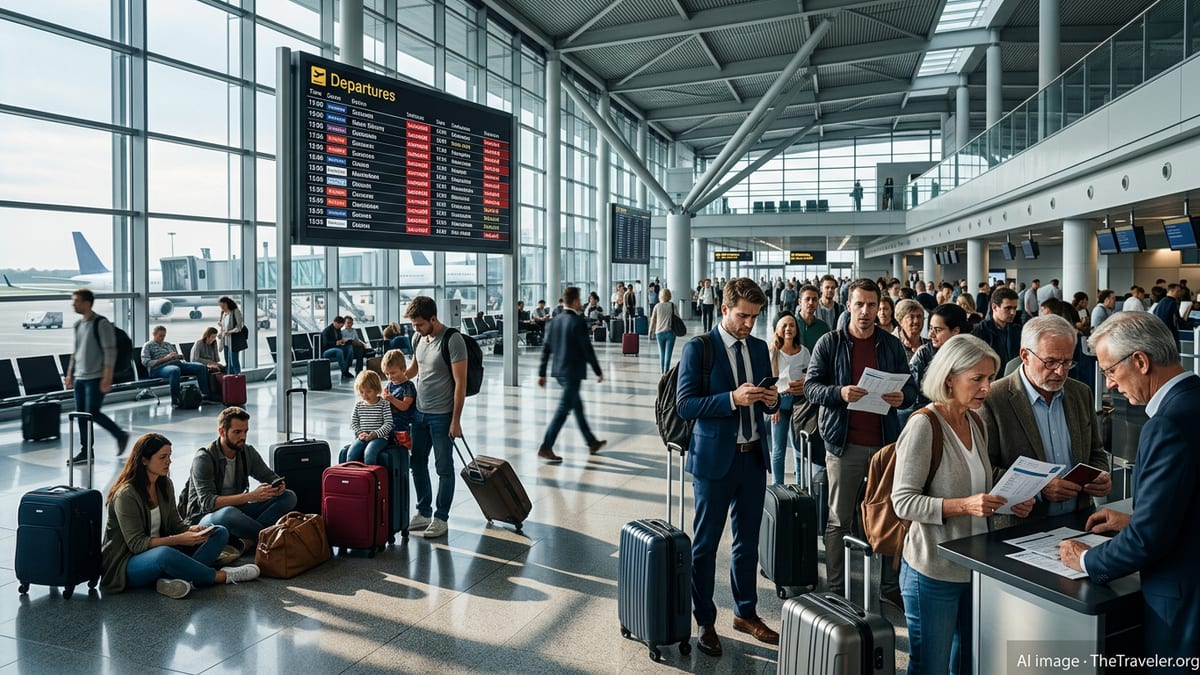
Network Turbulence at the Height of Summer Demand
The latest wave of disruptions has arrived at one of the busiest times of the year for United States air travel, when demand for flights is elevated and schedules are already running close to capacity. Publicly available tracking data and media coverage indicate that Southwest has experienced more than 1,000 delays and cancellations systemwide across a short window, straining its point to point network and disrupting travel plans for tens of thousands of passengers.
The scale of the interruptions has been particularly visible at Dallas Love Field, Chicago Midway and Las Vegas Harry Reid International, three of Southwest’s most important airports. The carrier already operates hundreds of daily departures from these cities, so any setback, whether weather, staffing, or technology related, can quickly cascade into wider gridlock as aircraft and crews fall out of position.
Reports from flight monitoring platforms show rolling delays throughout the day at these hubs, with late arriving aircraft and crew timing constraints forcing schedule adjustments. Travelers connecting through these cities have reported missed onward flights, extended ground holds and same day cancellations as the airline attempts to reset its operation.
While large scale disruptions have become an occasional feature of the modern U.S. airline system, the volume of Southwest flights affected in this episode is drawing renewed attention to how thinly stretched peak season schedules can be, and how quickly local issues can snowball into a national problem.
Dallas, Chicago, and Las Vegas Bear the Brunt
Dallas Love Field, the long time corporate home of Southwest, remains one of the airline’s most heavily utilized airports and a key connecting point across Texas and the broader Southwest region. High daily utilization of aircraft and tight turn times mean that any early morning disruption in Dallas often ripples into afternoon and evening departures, complicating the recovery.
In Chicago, Southwest has concentrated its operations at Midway International Airport after winding down a smaller presence at O’Hare earlier this year. Midway remains one of the airline’s critical midcontinent bases, linking short haul business routes with longer leisure flights. When delays and cancellations flare at Midway, both regional business travelers and vacationers headed to coastal and sun destinations feel the impact.
Las Vegas has emerged as another strategic pillar in Southwest’s network, particularly following the shutdown of ultra low cost competitor Spirit Airlines. The carrier has been adding new nonstop services from the city, positioning Las Vegas as a key connecting and leisure gateway. Against that backdrop, the latest wave of disruptions has been especially challenging for travelers using Las Vegas as a bridge between Western, Midwestern and East Coast destinations.
Across all three cities, passengers have described long lines at customer service desks, difficulty rebooking through digital channels, and competition for limited remaining seats on later flights. With aircraft often running close to full during the summer season, even a handful of cancellations at a single hub can leave many travelers waiting for space on subsequent departures.
System Strain After a Year of Repeated Shocks
The latest operational problems arrive after a series of shocks to the broader U.S. airline landscape in 2026. The sudden shutdown of Spirit Airlines in May drove a surge of displaced passengers to other carriers, including Southwest, intensifying pressure on already busy networks and airport infrastructure.
Southwest, which markets itself on high frequency, short haul connectivity, has had to absorb additional demand on routes where low cost competitors have retrenched or withdrawn entirely. This increased reliance on a dense schedule structure can magnify the effect of any localized disruption, since each aircraft is tightly woven into a chain of same day flights.
Regulatory filings and previous operational reviews have highlighted the challenges inherent in maintaining reliability within such a high tempo system. Events in recent years, including a high profile holiday meltdown, prompted public discussion about the resiliency of crew scheduling systems, deicing and ground operations capacity, and the robustness of contingency plans during volatile weather patterns.
The current episode of disruptions, affecting more than 1,000 Southwest flights, is likely to renew questions about whether recent technology upgrades and staffing adjustments are sufficient to prevent large scale breakdowns when multiple stress factors, such as storms, air traffic control constraints and tight turn times, align at once.
Passenger Experience: Rebookings, Refunds, and Travel Alternatives
For travelers caught in the latest disruption cycle, the immediate concern has been how quickly they can be rebooked and whether additional costs such as hotels and meals will be reimbursed. Public guidance from airline and government consumer sites emphasizes that passengers are generally entitled to refunds when flights are canceled and they choose not to travel, but compensation for incidental expenses can vary by carrier policy and the cause of the disruption.
Consumer advocates advise affected passengers to document all communication with the airline, keep receipts for out of pocket expenses, and monitor official channels for any temporary relief measures or policy waivers that may be introduced during mass irregular operations. During recent large disruption events across the industry, travelers have sometimes secured more flexible rebooking options, travel credits, or fee waivers.
In hub cities such as Dallas, Chicago and Las Vegas, some passengers have been able to switch to alternative carriers or adjust itineraries to nearby airports, though this is often difficult at short notice when large numbers of flights are affected simultaneously. Rail and long distance bus options offer limited relief on certain corridors, but for many travelers, particularly those heading cross country, waiting for an available flight remains the only realistic choice.
Travel planners note that in a season marked by repeated system shocks, travelers may increasingly choose to schedule earlier departures, build longer layovers into itineraries, or avoid tight same day connections through disruption prone hubs, especially during peak weekends and holiday periods.
What the Disruptions Signal for the Summer Travel Outlook
The scale of the current Southwest disruptions underscores how delicate the balance is between high efficiency scheduling and operational resilience across the United States airline system. With demand expected to remain strong throughout the summer, any new round of storms, airspace constraints or infrastructure outages could lead to further waves of cancellations and delays similar in scale to the more than 1,000 flights recently affected.
Industry analysts following publicly available operational data suggest that carriers, including Southwest, may face growing pressure to build more slack into schedules, increase spare aircraft availability and bolster staffing at key hubs. These steps can improve resiliency but also add cost, potentially influencing ticket prices at a time when travelers are already sensitive to rising expenses.
For now, travelers planning to pass through Dallas Love Field, Chicago Midway or Las Vegas Harry Reid International in the coming weeks are being urged by aviation and consumer observers to monitor flight status closely, enroll in airline alert systems, and have contingency plans in place for missed connections or overnight delays.
As peak summer progresses, the performance of Southwest and its major competitors will serve as a bellwether for how well the United States air travel system can cope with sustained high demand without repeating the kind of cascading disruptions that have just impacted more than 1,000 flights and reshaped travel plans across the country.