


More news on this day
A major Spanish holiday hotspot popular with British tourists is facing a surge in cancellations and disrupted travel plans, as airlines trim schedules and nervous holidaymakers reconsider trips amid wider uncertainty in European aviation.
Get the latest news straight to your inbox!
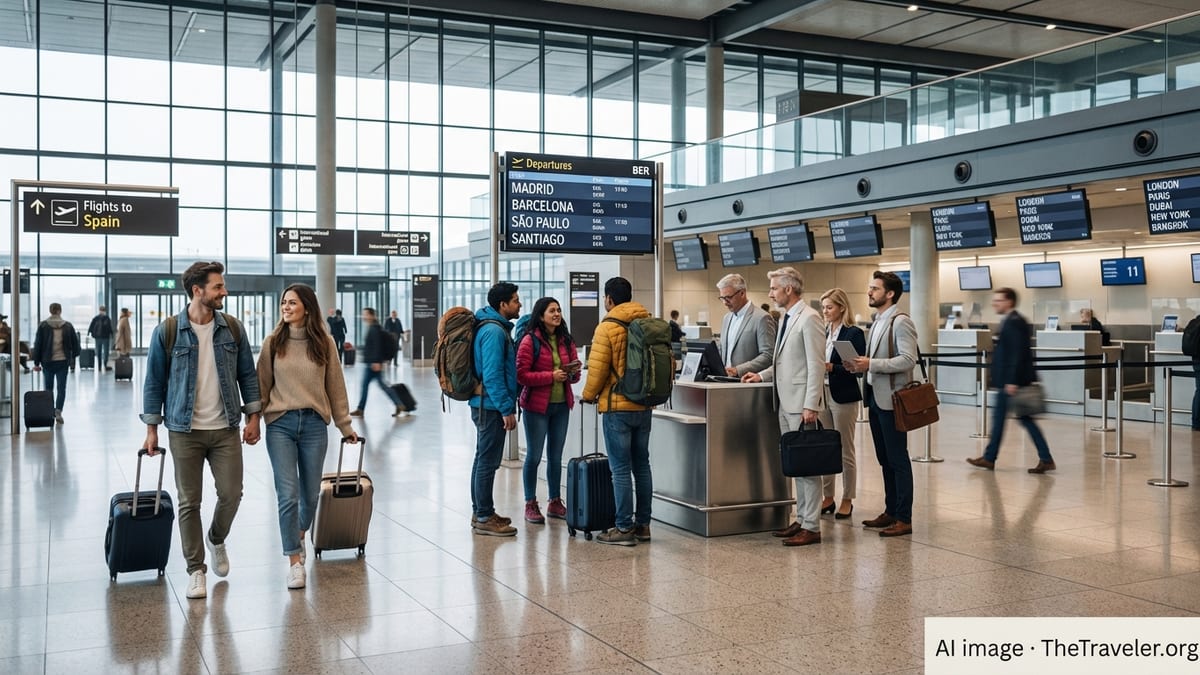
Resort under pressure as bookings fall away
One of Spain’s busiest coastal resorts, long regarded as a reliable summer escape for British travellers, has experienced a sharp rise in cancellations in recent weeks. Travel industry data and local tourism figures indicate that both flight and hotel bookings from the United Kingdom have fallen noticeably compared with the same period last year, despite strong overall demand for overseas holidays.
Tour operators report that package bookings to the resort, particularly in the budget and mid-range segments, have been most exposed. Families travelling during the school holidays appear especially likely to cancel or postpone, often citing concerns over flight reliability, potential last-minute schedule changes and the prospect of additional costs if plans unravel close to departure.
Local tourism bodies describe a pattern of sudden drops in occupancy forecasts followed by late rebookings, which makes staffing and service planning significantly more difficult for hotels, bars and attractions. While many properties still expect a busy August, the volatility is higher than in previous years, with some hoteliers characterising this season as one of the most unpredictable since the immediate post-pandemic period.
Airline schedule cuts ripple through Spanish gateways
The disruption has been compounded by airlines adjusting their summer schedules across Europe. Publicly available information from carriers serving Spain shows a series of capacity reductions and timetable reshuffles on routes from major UK airports, driven by higher operating costs, ongoing air traffic control constraints and the need to build more resilience into stretched networks.
Industry analysts note that routes to popular Spanish beach destinations are often among the first to be trimmed when airlines seek to protect profitability. Flights serving secondary airports or operating at off-peak times can be particularly vulnerable, leaving passengers with fewer options or inconvenient alternatives if their original services are cancelled.
This has translated into what consumer advocates describe as a disproportionate level of disruption for British holidaymakers heading to Spain. Reports indicate that some departures to the affected resort have suffered successive timetable changes before finally being withdrawn, prompting a wave of refunds, rebookings to other destinations and outright holiday cancellations.
Although carriers stress that most passengers still travel as planned, the perception of fragility in summer schedules is having a cooling effect on demand. Many would-be visitors appear to be delaying final decisions until they have greater confidence that flights will operate as sold.
War-related fuel concerns and wider travel jitters
The spike in cancellations is unfolding against a backdrop of broader anxiety about European air travel. Published coverage in the UK and European press has highlighted how the ongoing conflict in the Persian Gulf region has disrupted traditional jet-fuel supply routes, increasing costs for airlines and adding a further layer of uncertainty to capacity planning.
Commentary from economic and energy analysts suggests that the United Kingdom is among the countries most exposed to shifts in aviation fuel supply, given its historic reliance on imports. While there is no indication that flights to Spain are at immediate risk because of fuel shortages, the sustained headlines about rising costs and potential pressure on summer operations appear to be weighing on consumer sentiment.
Travel advisers say some British holidaymakers are consciously opting for destinations perceived as less vulnerable to long-haul route disruptions or complex connections, even when travelling within Europe. Simple, short-haul itineraries from regional airports remain popular, but travellers show heightened sensitivity to news of cancellations or schedule changes at nearby hubs.
The result is a climate in which any operational issue can quickly trigger a spike in cancellations to particular resorts. In the Spanish hotspot now seeing the “most cancellations” from UK visitors, businesses describe a boom-and-bust booking pattern in which a single week of negative headlines can erase months of steady sales.
Tourism businesses juggle staffing, pricing and overcapacity
For local tourism providers in the affected destination, the cancellations are creating a complex balancing act. Hoteliers and restaurateurs face the challenge of hiring enough seasonal staff to cope with potential surges in last-minute arrivals, while avoiding the cost of overstaffing during unexpectedly quiet weeks.
Some hotels have responded by shortening minimum-stay requirements and increasing the number of flexible or semi-flexible rates, hoping to capture spontaneous bookings from British travellers willing to commit closer to departure. However, this move also leaves operators more exposed to late cancellations and no-shows, as guests take advantage of looser terms.
Travel industry specialists warn that heavy discounting to fill rooms at short notice could squeeze margins in what is already a high-cost season. Energy prices, wage pressures and rising food costs have pushed up operating expenses across Mediterranean destinations, leaving less room to absorb the financial impact of vacant rooms and cancelled group bookings.
Despite these pressures, local authorities and business associations continue to highlight the destination’s enduring appeal, pointing to its beaches, family-friendly attractions and extensive portfolio of UK-facing tour products. The concern is less about long-term demand than about the short-term volatility that makes planning difficult for both companies and workers.
What British travellers should watch this summer
Consumer groups and travel experts advise British holidaymakers heading to Spain this summer to pay close attention to booking conditions, especially regarding cancellations and schedule changes. Flexible airfares and package holidays with clear rebooking options can provide additional protection if airlines adjust timetables or reduce capacity on busy routes.
Travel commentators also recommend monitoring airline notifications and airport updates closely in the fortnight before departure, when most operational decisions are finalised. Passengers who respond quickly to early schedule changes typically have a wider choice of alternatives, whether rebooking to different departure times, switching airports or, if necessary, choosing another destination.
For the Spanish resort currently facing elevated cancellation levels from UK visitors, the coming weeks will be critical. Strong late demand could still deliver a robust summer season, but further rounds of schedule cuts or negative headlines about European aviation could prolong the uncertainty well into autumn.
In the meantime, the situation underscores how sensitive Mediterranean hotspots remain to fluctuations in the UK outbound market. Even in a year of high overall travel demand, a combination of flight reductions, cost concerns and shifting consumer confidence can quickly turn a flagship destination into a flashpoint of cancellations and chaos for British holidaymakers.