


More news on this day
Gulf-bound travellers flying SpiceJet from Kochi to Fujairah and Dubai have faced days of disruption, with repeated cancellations and long delays leaving many stranded at Cochin International Airport and uncertain about reaching jobs and family commitments in the United Arab Emirates.
Get the latest news straight to your inbox!
Wave of disruptions on Kochi–Fujairah and Kochi–Dubai routes
Local media coverage from Kerala in the final days of August 2026 highlights a series of cancellations and extended delays affecting SpiceJet’s Kochi–Fujairah service, with several departures either scrubbed at short notice or pushed back by many hours. Reports indicate passengers arriving at Cochin International Airport in the early hours for morning departures, only to learn that flights would not operate as planned.
Malayalam-language outlets describe at least one Kochi–Fujairah flight being cancelled again on Friday, August 28, leaving ticketed passengers with limited same-day alternatives on the niche Fujairah route. Coverage notes that many travellers had timed their journeys around fixed reporting dates for work in the Gulf, magnifying the impact when flights failed to depart as scheduled.
Separate reports point to disruption on Kochi–Dubai services as well, including instances of substantial delays on SpiceJet departures to the Emirate in late August. The uneven operating pattern on both Fujairah and Dubai routes has intensified concern among passengers who depend on Kochi as a primary gateway to the Gulf.
While some schedules show Kochi–Fujairah operations continuing, flight-tracking data in recent days reflects multiple late departures and at least one Fujairah–Kochi return service listed as cancelled, underlining the unstable pattern on this corridor.
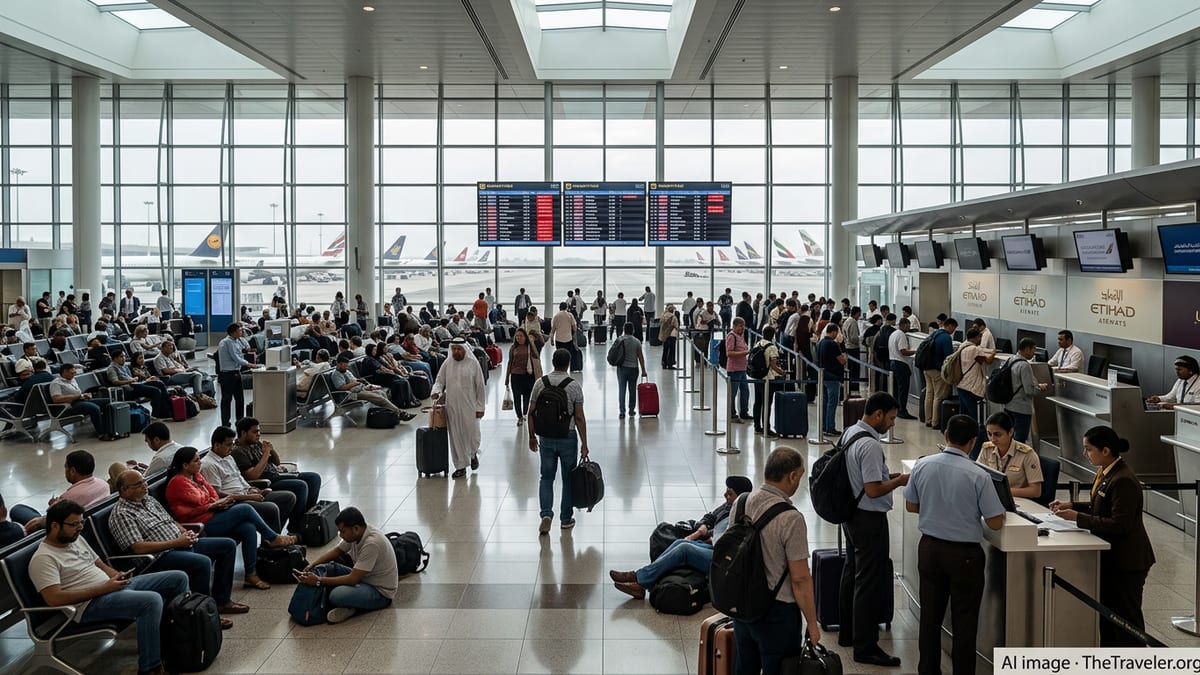
Scenes at Cochin International Airport as passengers wait for updates
Accounts compiled from regional news reports describe crowded halls at Cochin International Airport, with Kochi–Fujairah and Kochi–Dubai passengers queueing at airline counters to seek clarification, rebooking assistance or refunds. Travellers reportedly spent extended periods in the terminal amid uncertainty over revised departure times or alternative arrangements.
The situation in Kochi has drawn comparisons in local coverage to earlier scenes at Kozhikode airport, where a SpiceJet Dubai flight cancellation in mid August prompted spontaneous protests from affected passengers. The repetition of similar complaints at different airports in Kerala has added to the perception of ongoing operational instability on some of the carrier’s Gulf sectors.
Cochin International Airport, located at Nedumbassery outside Kochi, is Kerala’s busiest aviation hub and a key departure point for migrant workers, professionals and families travelling to the United Arab Emirates, Saudi Arabia, Qatar and other Gulf states. Published airport information shows that Dubai is among its most heavily served international destinations, with multiple airlines on the route, while Fujairah is a smaller but strategically important link for passengers heading to the northern emirates.
For many of those stranded in recent days, Kochi is not simply a transit point but the central node connecting their home districts in Kerala with long term livelihoods abroad, which helps explain the visible frustration when flights do not operate reliably.
Pattern of delays and cancellations on the Fujairah corridor
The latest turbulence on Kochi–Fujairah services has emerged against a backdrop of already volatile schedules between Kerala and Fujairah in 2026. Earlier this year, official notices from India’s airports authority documented wider disruptions involving flights to and from West Asia, with carriers adjusting operations in response to airspace advisories and temporary closures across parts of the region.
In that context, Fujairah has at times served as an alternative gateway for special operations to repatriate stranded Indian passengers from the United Arab Emirates, including charter-style services that routed travellers back to Kochi and other Indian cities. Such special missions underscore both the importance of the Fujairah link for Kerala’s large expatriate community and the vulnerability of these routes when regular schedules come under pressure.
Recent real time tracking data shows a mixed picture for SpiceJet’s Fujairah operations from Kochi and Kozhikode, with some flights departing broadly on schedule while others record delays of several hours or indicate cancellations on specific dates. This inconsistency has complicated planning for travellers who often book around fixed contract dates, school calendars and visa validity windows.
Reports from Gulf focused community forums and social media also suggest passengers on the Fujairah corridor have been actively reviewing their options, weighing the convenience of direct services against perceived reliability issues and the potential cost of last minute rebooking on other airlines or via other UAE airports.
Passenger rights and limited options on busy Gulf routes
The difficulties faced by Kochi based passengers have renewed attention on India’s passenger rights framework for delays and cancellations. Civil Aviation Requirements issued by the Directorate General of Civil Aviation make it mandatory for airlines to provide compensation or assistance to travellers in cases of significant disruption, especially when cancellations are not communicated at least two weeks in advance and are not directly caused by extraordinary circumstances such as severe weather or security incidents.
Publicly available regulatory documents outline entitlements that can include re routing, refunds and in some circumstances meals or accommodation, though implementation often depends on how individual cases are assessed at airport level. Recent commentary from frequent flyers on Indian aviation forums suggests that many passengers remain uncertain about how to invoke these protections or what documentation is required to pursue claims.
For those affected in Kochi, options on the day of travel may be constrained by the relatively small number of direct Fujairah services and high seat demand on alternative flights to Dubai, Abu Dhabi or Sharjah. Last minute one way fares on competing airlines can be substantially higher than advance purchase tickets, creating a financial dilemma for travellers who urgently need to reach the UAE but also wish to avoid forfeiting money already spent on cancelled sectors.
The experience of Kochi–Fujairah and Kochi–Dubai passengers in recent days therefore sits at the intersection of operational reliability, regulatory awareness and the broader economic pressures facing India’s migrant workforce, for whom every cancelled flight can carry outsized personal and financial consequences.
Manorama Online coverage of Kochi–Fujairah delays
Asianet News report on repeated Kochi–Fujairah cancellations
Airports Authority of India press clipping on West Asia disruptions