


More news on this day
New York City is experiencing a fresh wave of Spider-Man tourism, as fans trace Peter Parker’s footsteps from his Forest Hills roots in Queens to skyline viewpoints and filming locations across the five boroughs.
Get the latest news straight to your inbox!
Forest Hills Embraces Its Comic-Book Connection
Forest Hills in central Queens, long known in comics as Peter Parker’s neighborhood, is drawing a steady trickle of visitors who want to see the streets associated with Spider-Man’s origin story. Publicly available information on the neighborhood’s history notes that Forest Hills has been cited for decades as the fictional home setting of Peter Parker and Aunt May, helping to cement its place in pop culture.
Travel discussion forums and fan communities describe visitors riding the subway out from Manhattan specifically to walk past modest side streets and detached homes that match the tone of the early comics. Some posts describe Forest Hills as an appealing detour from typical Manhattan attractions, with tree-lined blocks that feel more like a small town than part of a global metropolis.
Reports indicate that the enduring association with Spider-Man has become part of how Forest Hills is promoted to potential visitors. City tourism materials referencing Queens sometimes highlight that Peter Parker was depicted as growing up there, positioning the neighborhood alongside references to local music history and sports venues to broaden its appeal.
Locals commenting in online discussions often express mixed feelings, balancing pride in the Spider-Man connection with reminders that the streets are primarily residential. Many fan posts now encourage respectful behavior, urging visitors to treat private homes as lived-in spaces rather than theme-park sets.
Real-Life “Parker Houses” Become Pilgrimage Spots
One of the most talked-about attractions among enthusiasts is the set of real houses in Forest Hills that have been linked to Spider-Man lore. Comic historians and fan sites point to a specific Ingram Street address that was used in late-1980s storylines as Peter Parker’s home, with coverage in major newspapers over the years documenting how mail addressed to Spider-Man has occasionally found its way there.
In addition, movie-focused communities have mapped filming locations used for the early 2000s Spider-Man films, including a Forest Hills property whose facade closely matches the house seen on screen. Social media posts from visitors describe taking photos from the sidewalk and noting how little some of the exterior details have changed since the movies’ release.
Trip reports shared online often highlight the contrast between the fictional drama associated with the Parker home and the quiet everyday life of the actual streets. Travelers describe stopping briefly for a photo, then exploring nearby cafes and shops before heading back toward subway connections, turning the Spider-Man stop into part of a wider Queens itinerary.
Fan commentary also reflects growing awareness of neighborhood etiquette. Many guides created by enthusiasts now stress that these are private properties, suggesting that visitors keep their distance, limit the time they spend in front of specific houses, and avoid sharing exact addresses in public posts to reduce unwanted crowds.
Guided Tours Turn Midtown Into a Superhero Playground
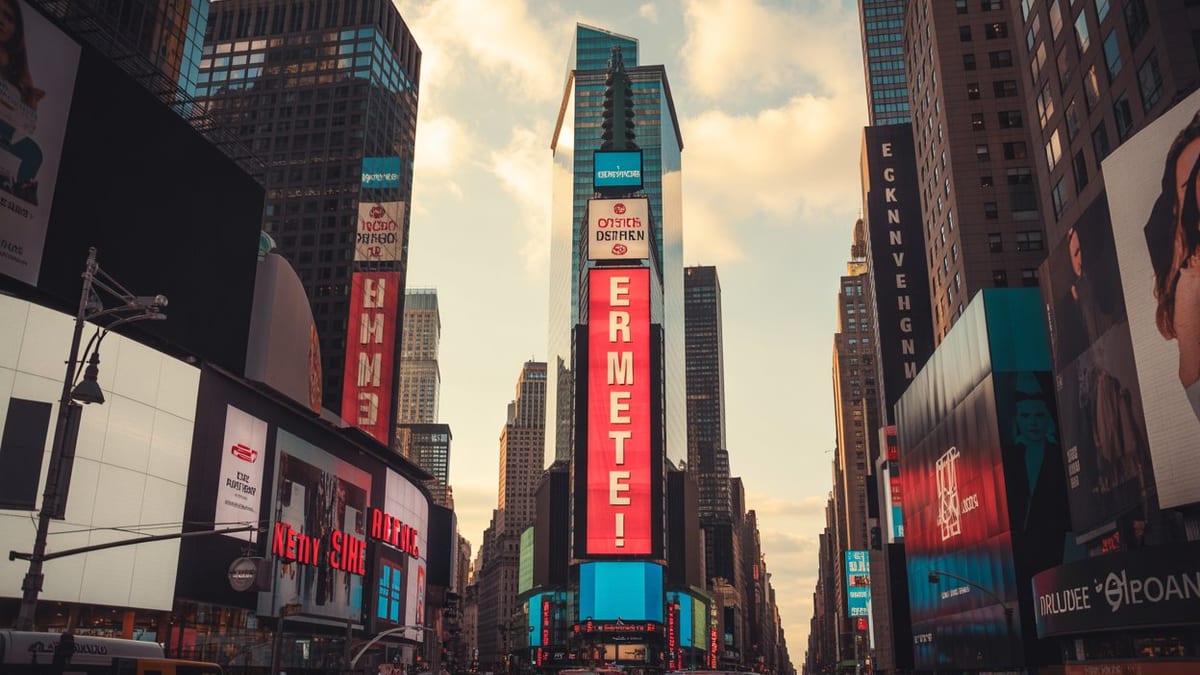
Beyond Queens, Spider-Man’s on-screen adventures have helped transform Midtown Manhattan into a hub for superhero-themed sightseeing. Several tour operators now advertise walking routes that combine Spider-Man filming spots and comic-book references with locations tied to other Marvel and DC characters, clustering many of the stops around Times Square and the surrounding business districts.
Tour descriptions list skyscrapers and plazas used in scenes from different Spider-Man film eras, as well as bridges and tramways that served as backdrops to high-stakes confrontations. Visitors are invited to compare the real skyline to what appears in visual effects sequences, often discovering that digital enhancements are layered onto recognizable New York buildings.
Self-guided itineraries published on travel blogs and fan sites offer an alternative for independent explorers. These guides typically suggest starting near the theater district, then walking toward landmark towers associated with fictional newsrooms and corporate headquarters that appear repeatedly in Spider-Man media. Many also recommend short detours to parks and vantage points that offer sweeping city views similar to those used in promotional artwork.
The popularity of these routes has been bolstered by the success of recent Spider-Verse films and video games, which continue to present stylized versions of New York. Visitors who first encountered the city through animation or gameplay increasingly arrive with specific intersections and silhouettes in mind, then seek out their real-world counterparts on foot.
Spider-Man Gaming and Animation Reinforce New York Icons
Modern Spider-Man video games and animated films have deepened the connection between the character and New York’s geography, inspiring fans to track down locations that appear in digital form. Game guides highlight prominent bridges, news buildings, and Midtown landmarks that players can swing past, many of which correspond closely to real Manhattan structures.
Travel features on superhero tourism note that the latest console titles offer detailed virtual replicas of Manhattan, with neighborhoods like Midtown, the theater district, and the areas around major bridges rendered at a level that allows players to recognize key sites when they arrive in person. This has encouraged some visitors to plan itineraries that mirror in-game routes, turning a favorite mission path into a day-long urban walk.
Animated features set in alternate Spider-Verse realities have also strengthened interest in New York as a multiverse hub. While some universes depict stylized or futuristic versions of the city, they still rely on familiar elements such as elevated train lines, brownstone blocks, and high-rise clusters. According to film coverage, the creative teams frequently cite New York’s layered architecture and cultural mix as foundations for these designs.
Fan discussions increasingly treat New York City itself as a recurring character in Spider-Man stories, with neighborhoods standing in for distinct chapters of Peter Parker’s life. For travelers, this framing provides a narrative through-line that connects stops in Queens, Brooklyn, and Manhattan into a single, story-driven journey.
Balancing Fandom, Local Life and Sustainable Tourism
The surge of Spider-Man interest is arriving at a moment when New York is encouraging visitors to look beyond traditional sightseeing corridors. Tourism campaigns focused on outer-borough exploration now often mention Forest Hills alongside better-known attractions, positioning the neighborhood as a place where comic-book mythology intersects with everyday city living.
At the same time, community organizations and residents emphasize the importance of sustainable tourism practices. Commentary from local advocates in Forest Hills and other neighborhoods tied to pop culture encourages visitors to support small businesses, respect residential privacy, and use public transportation rather than private cars when possible.
Tour operators promoting superhero routes increasingly highlight these themes in their materials. Many tour descriptions encourage guests to treat filming sites and reference locations as part of functioning city blocks, rather than as standalone sets. Some companies state that group sizes are kept relatively small to reduce congestion on narrow sidewalks and in residential areas.
For travelers, the current moment offers a detailed, multi-layered way to experience New York through the lens of a single character without losing sight of the real city beneath the mask. From Forest Hills side streets to Midtown’s glass towers, Spider-Man tourism is giving fans new reasons to explore, while challenging guides, businesses, and visitors alike to balance enthusiasm with consideration for the communities that call these places home.