


More news on this day
Spirit Airlines’ abrupt decision to cancel all flights and begin winding down operations has left thousands of passengers stranded across the United States, upending travel plans at the start of the busy summer season.
Get the latest news straight to your inbox!
Sudden shutdown halts entire network
Publicly available information shows that Spirit Airlines ceased all operations on May 2, 2026, canceling its entire flight schedule in a single day. The ultra low cost carrier, once a major player in the U.S. budget travel market, moved directly into an orderly wind down, instructing customers not to go to the airport and shutting off normal customer service channels.
Coverage from national business and aviation outlets indicates that thousands of passengers with bookings on May 2 and the days immediately following found themselves without a flight, often already at airports or en route when they learned of the shutdown. Millions more holding tickets for later in the year are now relying on automatic refunds and rescue fares from competing airlines.
The shutdown came at a time of high demand for domestic leisure travel, amplifying the disruption. Flight tracking data and industry analysis suggest that many routes formerly dominated by Spirit suddenly had no direct low cost alternative, pushing travelers into last minute rebookings on rival carriers at significantly higher prices.
Reports further note that Spirit’s final arrival just after midnight on May 2 marked the end of more than three decades of operations, closing one of the largest ultra low cost networks in North America and instantly removing thousands of daily seats from the market.
Stranded passengers navigate crowded hubs
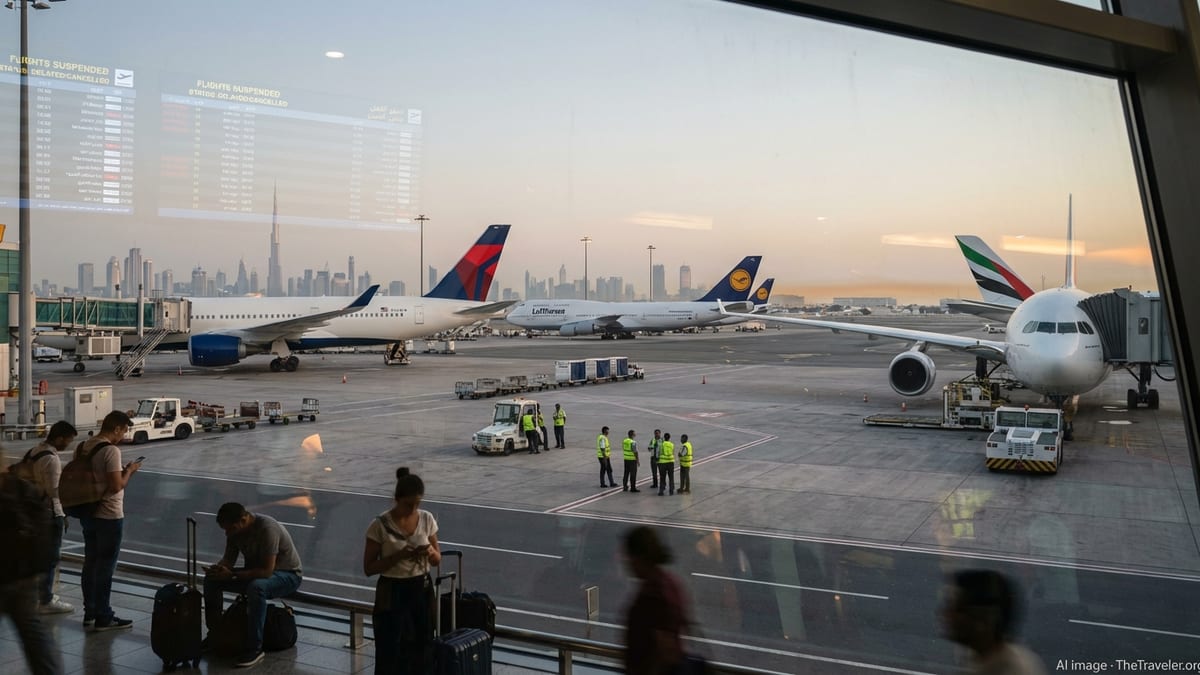
Airport scenes across Spirit’s key hubs and focus cities reflected the abrupt nature of the cancellations. According to published coverage, travelers in cities such as Fort Lauderdale, Orlando, Las Vegas, Dallas and Atlanta faced crowded terminals as departure boards flipped from delayed to canceled and check in counters closed.
Many stranded passengers turned to other carriers operating from the same airports, but available information suggests that seats on competing airlines filled quickly. With the shutdown coinciding with peak weekend travel, same day alternatives were limited, particularly on high demand leisure routes to Florida, the Caribbean and popular West Coast destinations.
Travel industry reports indicate that some major U.S. airlines and low cost competitors introduced limited time “rescue fares” for affected Spirit customers, offering discounted one way tickets on overlapping routes. Even with these measures, rebooking often required travelers to accept inconvenient routings, overnight connections or departures several days later than originally planned.
For those already away from home, hotel availability near major hubs became another challenge. Consumer travel advisories circulating after the shutdown urged passengers to keep detailed records of expenses and to check whether credit card travel protections or separate travel insurance could help cover unexpected accommodation and meal costs.
Financial strain and fuel costs behind collapse
Analysts following the airline report that Spirit had been under sustained financial pressure from rising fuel prices, intense fare competition and a heavy debt load even before the shutdown. Publicly available commentary points to a combination of higher operating costs and limited pricing power in its core markets as key factors weighing on the carrier’s balance sheet.
According to business media summaries, the collapse followed unsuccessful attempts to secure new financing and finalize a broader rescue arrangement. When those efforts fell through, the company opted for an immediate halt to flying rather than a gradual reduction in service, leaving little opportunity for passengers to adjust plans in advance.
The shutdown fits into a wider pattern of stress among lower margin airlines facing volatile jet fuel prices and tighter financial conditions. Recent months have seen smaller carriers in Latin America, the Caribbean and Europe cut back schedules, enter restructuring processes or, in some cases, suspend operations altogether when access to new capital dried up.
Industry observers note that Spirit’s size and network reach make this case particularly significant. The disappearance of a major ultra low cost competitor on dozens of domestic routes is expected to influence fare levels, competitive dynamics and capacity planning throughout the U.S. market over the coming seasons.
Passenger rights and refund obligations under scrutiny
The mass cancellations have renewed scrutiny of passenger protections in the United States, where rules differ from those in many other regions. Consumer advocates point out that, unlike in the European Union, U.S. regulations do not generally require airlines to provide cash compensation for cancellations that are not related to overbooking, although customers are entitled to a refund when a flight is canceled and they choose not to travel.
According to information shared in public advisories, Spirit has stated that it will automatically issue refunds for all canceled flights purchased directly with the airline using credit or debit cards. Travelers who booked through online travel agencies or third party agents are typically being directed to those intermediaries to request refunds.
Travel experts recommend that affected passengers closely monitor payment accounts to confirm when refunds are processed and, if necessary, file chargeback requests with card issuers if funds do not arrive within the expected timeframe. For travelers who incurred out of pocket expenses such as separate hotel bookings or nonrefundable tours, reimbursement options may depend on the terms of any travel insurance or credit card protections in place.
The shutdown is also prompting renewed discussion in policy circles about whether current disclosure requirements and contingency planning standards for financially distressed airlines are adequate, particularly when a failure can leave large numbers of passengers without viable alternatives.
What Spirit’s collapse means for upcoming summer travel
With Spirit’s aircraft grounded just weeks before the main summer holiday period, capacity across some of the United States’ most popular leisure routes has tightened noticeably. Aviation data providers tracking schedules for June, July and August report a sharp reduction in available seats on certain city pairs where Spirit once offered multiple daily departures.
Competing carriers are beginning to respond by adding flights, upgauging aircraft on selected routes or rolling out targeted sales aimed at price sensitive travelers. However, industry forecasts referenced in recent coverage suggest that replacement capacity may not fully offset the gap in the short term, meaning travelers could face higher fares and fewer schedule options on historically low cost routes.
For passengers planning trips later in the year, travel advisors are urging early booking, flexible dates and careful attention to connection times, particularly when using separate tickets on different airlines. Guidance commonly emphasizes the importance of keeping airline apps updated, enabling flight status alerts and building in additional time when making tight same day connections through congested hubs.
As airlines, regulators and travelers absorb the immediate impact of Spirit’s collapse, the episode is emerging as a case study in how quickly an airline’s difficulties can translate into large scale disruption. For passengers caught in the middle, the experience underscores the value of understanding refund rules, backup options and the limits of protection when a carrier cancels nearly all flights at once.