


More news on this day
In Sri Lanka’s cloud‑brushed highlands, a new wave of mountain sanctuaries is drawing travelers who are less interested in ticking off sights and more focused on resetting frayed minds, healing bodies and rethinking life at a slower altitude.
Get the latest news straight to your inbox!
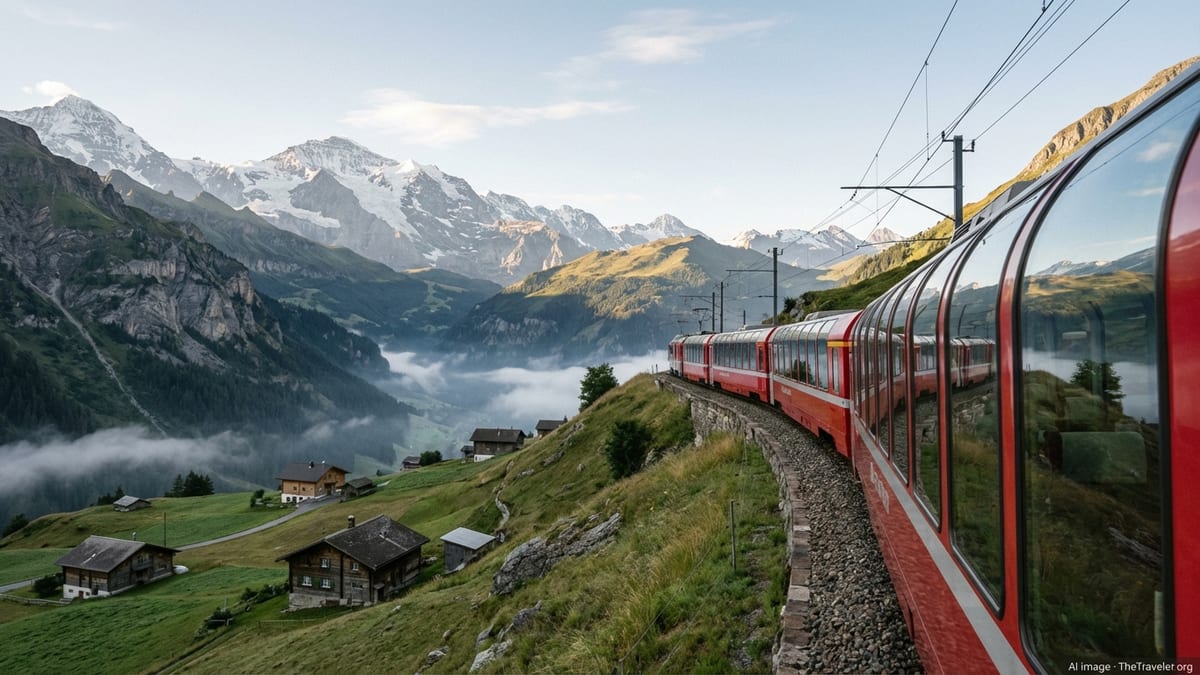
Highland Retreats Ride a Global Shift Toward Transformative Travel
Across Sri Lanka’s central highlands, a cluster of eco lodges, yoga retreats and wellness resorts is emerging as one of South Asia’s quieter answers to the global search for restorative travel. Publicly available information from tourism bodies and industry reports indicates that wellness, nature and spiritual experiences are now among the country’s fastest growing niches, with operators increasingly choosing higher, cooler ground over crowded coastal strips.
National tourism materials position the island as a haven for Ayurveda, yoga and forest bathing, but it is the mountains that are becoming the focus for visitors seeking deeper change. Cool temperatures, dense forest, tea estates and far-reaching views combine with long walking trails and village life to create what retreat organizers describe as ideal conditions for digital detox, stress recovery and reflection.
Recent academic work on Sri Lanka’s tourism development also suggests that wellness and nature-based travel are central to future plans, especially in rural regions where communities are looking for alternatives to mass-market tourism. That shift is playing out most clearly in the hills, where new ventures promote multi-day programs promising emotional reset rather than short spa breaks.
Travel features in international media over the past year have further pushed Sri Lanka’s highland towns into the spotlight, portraying them as green refuges that contrast with more intensively developed destinations elsewhere in Asia. This outside attention is feeding a feedback loop, encouraging more operators to brand their properties explicitly around healing and mindful escape.
Knuckles Range: A World Heritage Backbone for Forest Healing
At the centre of Sri Lanka’s mountain narrative is the Knuckles Mountain Range, a UNESCO-listed conservation area northeast of Kandy where cloud forest, grasslands and small farming hamlets share steep slopes. The region’s protected status and relative inaccessibility have so far limited large-scale development, preserving an atmosphere that visitors consistently describe in travel accounts as quiet, cool and otherworldly compared with the tropical lowlands.
Eco lodges tucked along the ridgelines market “living in the jungle” experiences, with simple cabins spaced out through forest and spice gardens. Many highlight birdlife, endemic plants and night skies, inviting guests to swap entertainment for treks, river swims and guided forest walks. Yoga decks open to misty valleys, while open-sided dining areas place guests within earshot of streams and tree frogs rather than traffic.
Operators in the Knuckles foothills typically link nature immersion with light-structured wellness: sunrise meditation on rocky viewpoints, forest bathing on shaded trails and river bathing at waterfall pools. Some emphasize organic village cuisine and short workshops on traditional farming or herbal remedies, framing physical nourishment and local knowledge as part of a broader healing journey.
Community-focused projects around the range are also positioning mountain tourism as a tool for resilience. Nature centres and local organizations promote training for guides, homestays and small-scale hospitality so residents can benefit economically while maintaining long-term incentives to protect forest cover and water sources that underpin both biodiversity and the wellness experience visitors seek.
From Tea Country Tents to Silent Spas Above Kandy
West and south of Knuckles, in the hills above Kandy and further into tea country, a new generation of retreats is turning working estates and ridges into spa-centred sanctuaries. High-end properties around Madulkelle and similar locations bill their canvas tents and villas as places where guests wake to both tea-plucker songs and panoramic mountain views, with cool air and relative remoteness treated as core therapeutic assets.
Resorts near Kandy have expanded from traditional hotel models into full wellness campuses combining yoga shalas, Ayurvedic treatment rooms, meditation pavilions and hydrotherapy pools. Design coverage in international magazines has highlighted how some of these projects deliberately avoid air conditioning in favour of open architecture, natural ventilation and quiet zones, describing an “architecture of silence” that places contemplation above spectacle.
Scheduled retreats, sometimes marketed internationally for dates into 2025, package mountain scenery with mind-body programs led by visiting instructors. Guests are encouraged to stay several nights, follow curated meal plans and limit screen time. Marketing materials stress long-term lifestyle change rather than quick fixes, positioning these hills as gateways to new routines that participants are meant to carry home.
Mid-range eco lodges across tea country mirror parts of this approach on a smaller scale. They often focus on guided walks through estates, simple yoga sessions at dawn, cooking classes using organic produce and evenings around firepits. The selling point is less about luxury and more about the feeling of being held in a green bowl of mountains where schedules contract and priorities re-order.
Ella and the Southern Highlands Balance Hype With Quiet Corners
Further southeast, the hill town of Ella has become one of Sri Lanka’s most photographed rural destinations, its Nine Arch Bridge and Little Adam’s Peak now regular fixtures in social media feeds and international travel coverage. The surge in visibility has brought a wave of guesthouses, cafes and excursion vendors that can feel at odds with notions of solitude and deep rest.
Yet beyond the main streets and iconic viewpoints, a network of small villas, homestays and eco properties scattered along side valleys is quietly courting travelers who want the area’s dramatic scenery without the constant buzz. Booking platforms highlight stays that back onto forest, rice paddies or waterfalls, emphasizing silence at night, open views and limited room numbers.
Recent online discussions among travelers suggest that some now treat Ella as a base for longer hikes, reading days on verandas and slow train rides rather than a packed checklist destination. For stressed visitors, the appeal lies in mixing light adventures with extended unstructured time at altitude, where cooler nights and mountain air are framed as natural antidotes to burnout.
Beyond Ella itself, smaller highland settlements in Uva and the southern slopes are seeing gradual interest from visitors seeking less commercialised experiences. Simple lodges along forest edges or near minor peaks promote off-grid stays, limited mobile signal and candlelit evenings as part of the attraction, aiming squarely at those who equate healing with switching almost everything off.
Wellness, Community and Conservation Intertwine in the Highlands
As Sri Lanka’s mountain sanctuaries evolve, the line between personal healing, community benefit and conservation is becoming more apparent. Policy documents from national tourism planners reference wellness and nature tourism as “sustainable niche” segments with potential to distribute income into rural areas while incentivising protection of forests, water catchments and traditional livelihoods.
In practice, many highland retreats are experimenting with low-impact building, waste reduction and local sourcing, from buying vegetables within a short radius to hiring village guides and therapists trained in Ayurveda. Some emphasize reforestation plots, organic gardens and educational walks as part of the guest experience, positioning environmental repair as intertwined with emotional recovery.
At the same time, observers note that the sector faces challenges, including the risk of overdevelopment in popular hill towns and the need for consistent standards in wellness offerings. Industry research has pointed out that Sri Lanka competes with established regional destinations for wellness travellers, and that credibility, staff training and regulation will be important if the country is to maintain a reputation for genuine, not cosmetic, healing experiences.
For now, however, the country’s highland belt retains qualities that stressed urban visitors increasingly struggle to find at home: slow trains climbing through tea slopes, cloud forests where mobile signals fade, and valley views unbroken by high-rises. In these mountain sanctuaries, the promise of transformative travel is less about curated perfection and more about the simple act of breathing deeply in a landscape that insists on a slower pulse.