


More news on this day
A stalled freight train in Grayslake, Illinois blocked multiple rail crossings for several hours, disrupting local traffic and complicating emergency response routes across a wide swath of the village on Friday evening.
Get the latest news straight to your inbox!
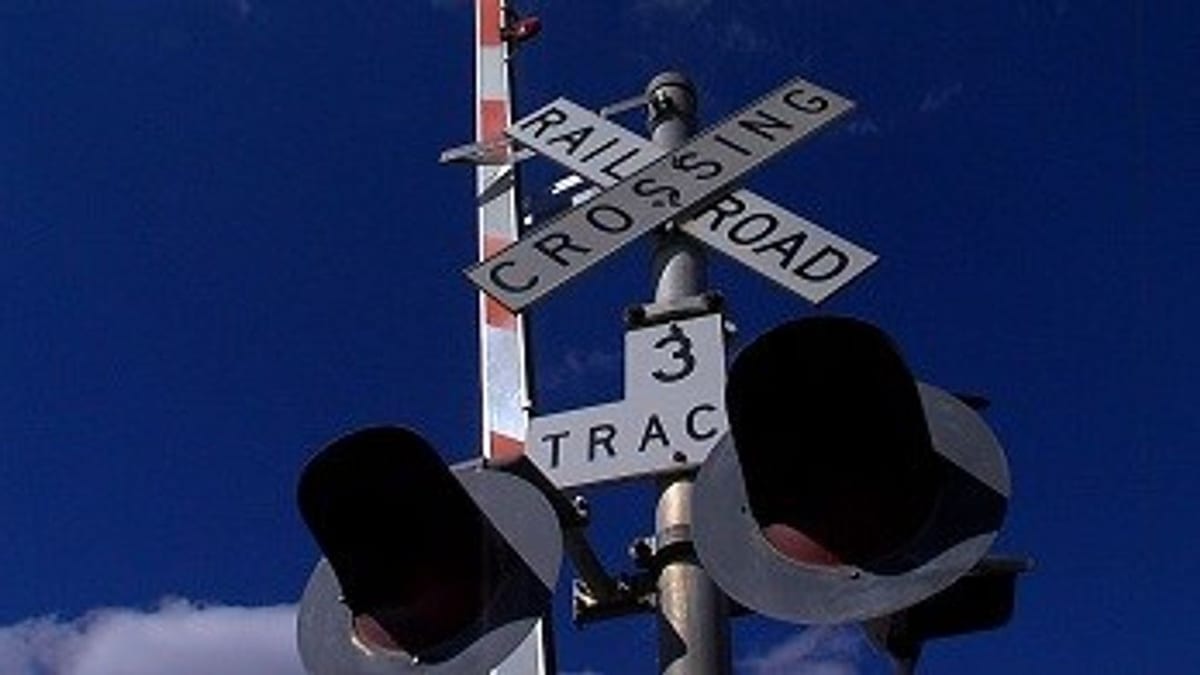
Multiple crossings blocked across western Grayslake
Published coverage and local reports indicate that a long freight train came to a stop across several at-grade crossings in Grayslake, affecting key routes used by residents and first responders. The blockage was centered along the north-south freight corridor that cuts through the village, where trains routinely intersect neighborhood streets, collector roads, and access routes to business districts.
Drivers described waiting in extended queues as the train remained motionless at successive crossings, forcing motorists to turn around and seek alternative routes where underpasses or bridges were available. Publicly available mapping data for Grayslake shows that drivers seeking to cross the tracks in this area often must travel significant distances to find an unobstructed route when multiple crossings are blocked at once.
The stalled train was reported to have remained in place for several hours, with no immediate indication made public about the underlying mechanical or operational cause. Rail operations experts note in prior analyses that mechanical inspections, dispatching delays, or congestion near rail yards can all result in prolonged stops that leave mile-long trains parked over roadways for extended periods.
Emergency access and response times affected
The blockage raised specific concerns about emergency access on the affected side of town. Grayslake’s fire, police, and medical services rely on a limited number of east-west crossings to quickly reach neighborhoods and commercial zones west of the tracks. When multiple crossings are simultaneously blocked, emergency vehicles may need to take lengthy detours, adding precious minutes to response times.
Transportation safety research focused on blocked crossings notes that even short delays can influence outcomes for medical calls, fires, and police responses. When trains remain stationary across roadways for long periods, those risks increase, especially in communities where the rail line bisects residential areas and there are few grade-separated alternatives.
According to publicly available emergency planning documents and transportation guidance, departments in rail-heavy regions often pre-plan alternate routes and mutual aid arrangements for situations in which a stalled train cuts off the most direct paths. However, the effectiveness of those plans depends on how many crossings are obstructed at once and how long a train remains stopped.
Residents face long detours and congestion
For Grayslake residents and visitors, the stalled train translated into long detours and congestion on a summer evening when many drivers were traveling between neighborhoods, retail areas, and nearby communities in Lake County. Reports from the scene describe bumper-to-bumper conditions on the remaining open routes, as drivers sought any available path across the rail corridor.
Local traffic patterns in Grayslake concentrate much of the cross-town movement on a handful of main roads that intersect the tracks. When these intersections are blocked, drivers may be forced onto narrower residential streets or must travel several miles out of their way to reach an underpass in a neighboring community, compounding delays and raising local frustration.
Parents picking up children, workers returning from shifts, and visitors heading to evening events faced waits that in some cases stretched from minutes into nearly an hour. With the closures extending over several crossings at once, there were few easy options for drivers unaccustomed to navigating around the rail line.
Renewed scrutiny of long freight trains and blocked crossings
The Grayslake incident is the latest in a series of blocked crossing events reported across the Midwest, as freight railroads continue to operate increasingly long trains on heavily used corridors. National studies examining long freight trains and grade crossings have documented a growing number of complaints from communities where stationary trains have blocked multiple roads for extended periods, sometimes cutting off entire neighborhoods.
Publicly available transportation research describes how longer trains can amplify local impacts when they come to a stop. Instead of a single crossing being blocked for a short period, a stationary multi-mile train can sit across numerous crossings at once, creating a cascading effect on traffic circulation, school access, and emergency response routes.
Advocacy groups, municipal leaders, and transportation planners in Illinois and other states have pointed to these incidents as evidence of the need for better coordination between railroads and local governments. In some areas, communities have pursued grade separations, improved signage, and real-time information tools to help drivers and dispatch centers anticipate and work around blockages, though such projects can be costly and take years to complete.
Calls for better communication and planning
The stalled train in Grayslake has prompted renewed local discussion about how much information communities receive when a freight train blocks crossings for an extended period. Residents frequently report that they are left without updates on how long a train will remain stopped, making it difficult to plan commutes, deliveries, or time-sensitive trips.
Dispatchers and emergency managers in other rail corridors have publicly described similar challenges, noting that limited communication from railroads can complicate decisions about rerouting fire engines, ambulances, and police vehicles. When crossings remain blocked for hours, dispatchers may need to make rapid adjustments to response plans, including drawing in units from the opposite side of the blockage or neighboring jurisdictions.
Transportation safety specialists suggest that communities affected by chronic blocked crossings may benefit from a combination of improved rail dispatch coordination, data sharing on train movements, and local infrastructure investments such as overpasses or dedicated emergency access roads. As the freight rail network grows busier and trains become longer, the Grayslake incident underscores how a single stalled train can reverberate through daily life in a village built around a busy rail line.