


More news on this day
In Stevens Point, Wisconsin, fire crews are expanding a rigorous training regimen that mirrors real emergencies, using controlled smoke, evolving technology, and community partnerships to stay ready for the next call.
Get the latest news straight to your inbox!
Daily Drills Designed Around Real-World Calls
Recent coverage of the Stevens Point Fire Department highlights a deliberate focus on training that looks and feels like the emergencies firefighters encounter on duty. Reports indicate that crews are drilling on complex fire scenarios inside local training facilities, moving through darkened spaces filled with controlled smoke, and working through simulated rescues of practice dummies.
Publicly available information describes exercises where firefighters enter a structure, advance hose lines, search for occupants, and suppress a mock fire, all in a carefully monitored environment. These scenarios are crafted to be realistic enough that crews must rely on communication, situational awareness, and muscle memory, just as they would during a real structure fire.
The department’s training approach places particular emphasis on low-frequency, high-consequence incidents. Published coverage notes that firefighters are sharpening skills for events that do not occur every day, such as locating and removing a trapped person from a burning building, or coordinating interior fire attack while smoke and heat conditions rapidly change.
Reports further show that this style of repetitive, scenario-based training is intended to hard-wire core skills so that when adrenaline spikes on an actual emergency, firefighters default to proven tactics practiced again and again.
All-Hazards Preparedness Across the City
Stevens Point’s emergency readiness does not end at the fireground. The city’s emergency management responsibilities are coordinated through the fire department, and public documents outline an all-hazards strategy that includes severe weather, flooding, hazardous materials incidents, infrastructure failures, and large community events.
Planning materials show that the department works from a formal emergency operations framework that guides how the city prepares for, responds to, and recovers from large-scale incidents. This includes maintaining and updating a citywide emergency operations plan, developing hazard-specific playbooks, and coordinating continuity planning so essential government functions can continue during crises.
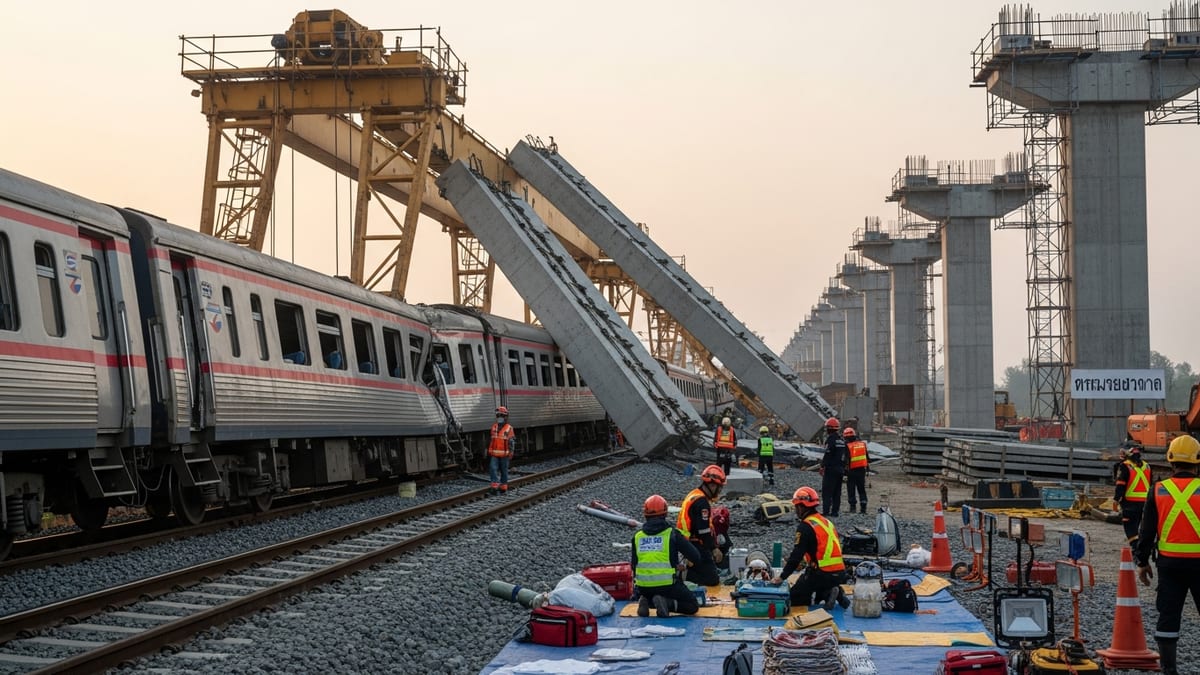
Training for fire crews is aligned with this broader mission. Exercises extend beyond structure fires to mass-casualty medical incidents, hazardous materials responses, and potential transportation events affecting nearby road or rail corridors. By integrating these scenarios into the training calendar, firefighters and paramedics practice how to move from routine calls to complex, multi-agency operations.
Publicly available information portrays a department that frames its daily drills within this all-hazards context, positioning its crews not only as fire responders but as central players in the city’s overall resilience strategy.
Technology, Simulation and Community-Facing Training
Stevens Point’s fire crews are also training with the help of evolving technology. Earlier coverage from the region documented the use of augmented reality tools to simulate fire extinguisher use without live flames, allowing participants to see how a fire might behave in an office setting while remaining in a controlled environment.
According to those reports, this form of simulation offers a way to expand training beyond professional firefighters. Community members and local workers can practice using portable extinguishers, learning how to approach a small fire, aim correctly, and recognize when to evacuate instead of attempting suppression.
This technology-driven approach complements the department’s hands-on smoke and search drills, broadening the range of training environments available to crews. It also reflects a growing emphasis on prevention and preparedness, equipping residents and businesses with practical safety skills that can reduce risk long before firefighters arrive on scene.
The department’s annual reporting and outreach materials further suggest that public education, station events, and open houses are used to reinforce these messages, creating a feedback loop where community awareness supports the same emergency-readiness goals that guide in-house training.
Developing the Next Generation of Responders
Emergency readiness in Stevens Point increasingly reaches into local schools and youth programs, creating a pipeline of future responders already familiar with real-world emergency scenarios. The city’s Explorer program, supported by the fire department, gives teens and young adults exposure to firefighting, basic EMS skills, and community safety practices.
Program descriptions show that participants work on hose handling, ladder skills, search and rescue basics, and CPR, all under the guidance of department advisors. While live-fire entry and other high-risk activities are off limits to youth, the drills still aim to look and feel like the work performed on an active emergency scene, scaled to a level that is appropriate and safe.
Separate initiatives in the area, such as student emergency response training events hosted in partnership with regional institutions, extend this philosophy by preparing students to respond calmly and confidently in crises. Training schedules for upcoming sessions in Stevens Point outline modules on leadership, teamwork, and emergency medical fundamentals that mirror the professional environment.
Together, these programs indicate a long-term strategy: building a future workforce that has already spent years thinking about scene safety, triage, communication, and the physical demands of emergency response before they ever apply to a fire academy or EMS program.
Regional Collaboration and Specialized Fire Skills
Stevens Point’s training landscape is also shaped by its role within central Wisconsin. Regional associations and training seminars regularly choose the city as a host location, bringing in fire investigation, wildland fire, and emergency management specialists who share expertise with local and visiting crews.
Event announcements for upcoming arson investigation and technical fire seminars in Stevens Point describe multi-day agendas that include lithium-ion battery fires, electric vehicle incidents, and advanced origin-and-cause techniques. For local firefighters, having this level of instruction close to home supports more specialized training in emerging risk areas that may affect both residential and commercial districts.
Nearby, the University of Wisconsin–Stevens Point supports its own fire crew organization focused on wildland fire, prescribed burning, and fire effects monitoring. The presence of this group, along with regional refresher courses and wellness initiatives for wildland firefighters, adds another layer to the area’s emergency readiness ecosystem.
In practice, this mix of city training drills, regional conferences, and university-based programs is building a network of responders who share knowledge and refine skills together. For residents and visitors, it means the fire crews standing by in Stevens Point are not only drilling daily inside their own stations, but are also connected to a wider training and preparedness community centered on responding effectively when real emergencies occur.