


More news on this day
New and expanded public transport links are opening up some of the Lake District’s most sought-after villages to visitors who want to leave the car at home and explore Cumbria by bus, rail and boat.
Get the latest news straight to your inbox!
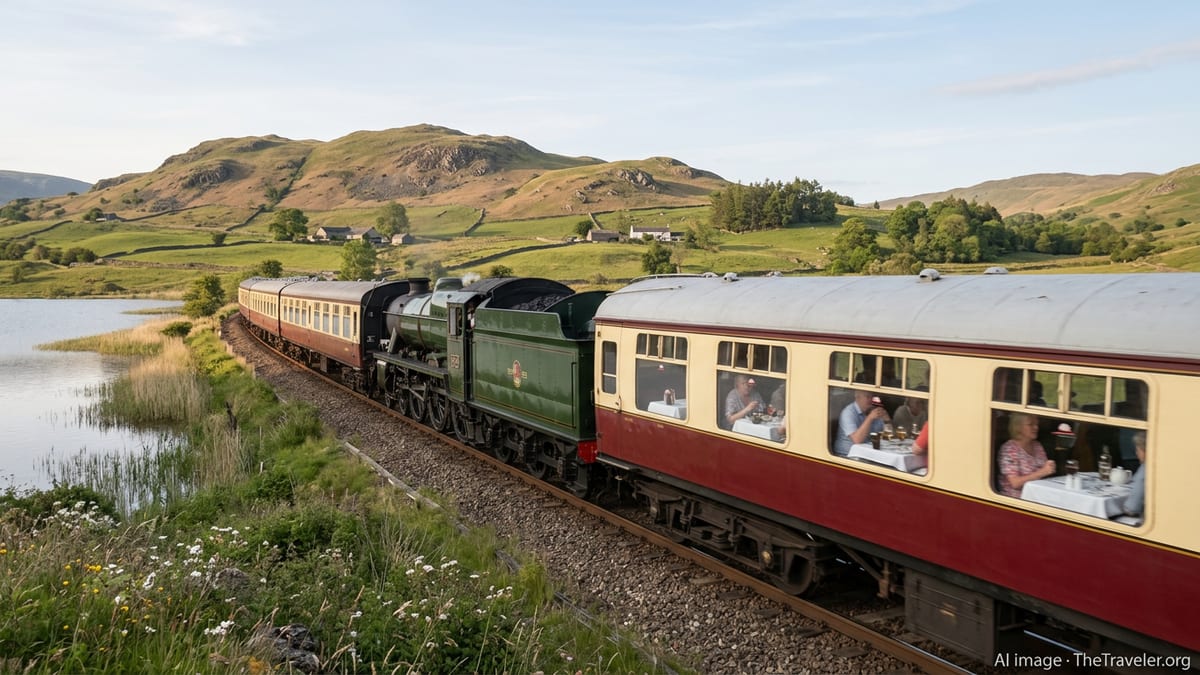
Car-Free Travel Gains Momentum Across Cumbria
Publicly available information from local councils and the Lake District National Park shows a growing push to reduce traffic and make it easier to reach popular villages without driving. The national park promotes “smarter travel” and encourages visitors to arrive by train and continue by bus, boat, bike or on foot, highlighting benefits such as reduced congestion and a quieter experience in the fells and valleys.
Visitor itineraries promoted by regional tourism bodies now routinely feature car-free days out, including step-by-step advice on how to reach lakeside towns and villages using a combination of mainline rail services, local buses and lake cruises. These guides frame going car-free as a way to see more of the scenery while avoiding parking pressures that have become common around high-demand sites in peak season.
Recent planning documents from local authorities underscore the shift in emphasis, setting goals to make non-car transport the preferred way of accessing key visitor corridors. Proposals include better integration between bus and rail timetables, investment in walking and cycling routes from village centres, and continued support for community and commercial services that serve both residents and tourists.
Ambleside, Grasmere and Hawkshead: Bus Hubs in the Central Lakes
Ambleside and Grasmere are emerging as central hubs for car-free trips in the heart of the national park. Guidance from the Lake District National Park highlights frequent bus links on core routes that connect these villages with Windermere railway station, Keswick, Coniston and other settlements, allowing visitors to base themselves in one place and travel out in different directions each day.
Stagecoach-operated routes such as the 555 and 599 are promoted as spine services through the central Lakes, running via Bowness, Windermere, Ambleside and Grasmere and linking with services onwards to Keswick and the Langdale and Coniston valleys. Travel information indicates that these routes continue to operate in shoulder seasons as well as summer, making year-round car-free stays more practical.
To the west of Windermere, Hawkshead is the focus of a recent visitor movement action plan that aims to position the area as a car-free destination from Bowness and Windermere. The document highlights the role of lake boats, connecting buses and walking and cycling routes in reducing pressure on narrow rural roads, while still keeping the village and surrounding countryside accessible to visitors.
Keswick, Ullswater and the Rise of Community-Backed Buses
Further north, Keswick is increasingly presented in travel coverage as a strong base for visitors without a car. Bus timetables published by transport operators show services radiating from the town to Penrith, Workington, Cockermouth, Borrowdale, Buttermere, Grasmere and Windermere, alongside Derwentwater boat services that link lakeside jetties with popular walking routes.
On Ullswater, community-led initiatives have been working alongside commercial operators to plug gaps in public transport. Reports on the valley’s Sustainable and Integrated Transport for Ullswater project describe how a previously seasonal community route has informed changes to a regular Keswick to Penrith bus service, giving villages such as Dockray improved connections to rail links at Penrith.
Visitors are also being encouraged to combine classic lake cruises with onward journeys by bus or on foot. Tourism itineraries highlight options such as riding an Ullswater steamer between Glenridding and Pooley Bridge, then returning along lakeside paths or using local bus services, turning what might have been an out-and-back drive into a circular car-free excursion.
Windermere Rail Links and Coastal Connections
Rail services remain central to the car-free strategy. Northern-operated trains run from the West Coast Main Line at Oxenholme to Windermere, with tourism bodies positioning the station as a gateway for those arriving from cities such as Manchester, London and Glasgow. From Windermere, visitors can connect to frequent buses into Bowness, Ambleside, Grasmere and beyond, effectively extending the rail network deep into the national park.
Official travel advice also points to scenic rail options on the Cumbrian Coast and the Settle to Carlisle line, which provide alternative entry points to the region. Stations along these routes link with local buses serving coastal towns and inland valleys, spreading visitor numbers more widely across Cumbria and offering additional car-free holiday itineraries.
The integration of train, bus and boat timetables is a continuing focus for local authorities, with recent bus service improvement plans calling for better connections at key hubs. These documents emphasise the role of public transport in supporting local economies, enabling staff to reach tourism jobs without a car and giving residents more options for everyday travel.
New Funding and Future Plans for Sustainable Transport
Fresh funding streams are playing a significant role in expanding options for visitors who want to leave the car at home. Cumberland Council has highlighted a package of government-backed investment that is supporting new and enhanced routes across its area, including services that improve links between towns, villages and key employment centres.
In neighbouring Westmorland and Furness, a bus service improvement plan for the second half of this decade sets out ambitions to tackle congestion in popular Lake District corridors by encouraging a switch from private cars to buses, walking and cycling. Measures under consideration range from more frequent services on core routes to new infrastructure that prioritises buses on busy stretches of road.
The Lake District National Park’s broader vision for “smarter travel” points toward further innovation, including trials of low-emission vehicles, expanded cycle and walking networks from village centres and enhanced information for visitors planning car-free holidays. Together, these strands suggest that accessing classic Lake District villages such as Keswick, Ambleside, Grasmere, Hawkshead and Glenridding without a car is likely to become steadily easier over the coming seasons.