


Travelers often assume that buying a Travelex policy at checkout is enough to guarantee a smooth refund if their trip goes sideways. In reality, the way you choose, time and use your Travelex travel insurance has as much impact on your coverage as the plan itself. From missing pre-existing condition waivers to relying on the wrong plan type, a few quiet missteps can mean the difference between a paid claim and a frustrating denial. Here is what to stop doing with Travelex travel insurance if you want better, more reliable protection.
Get the latest updates straight to your inbox!
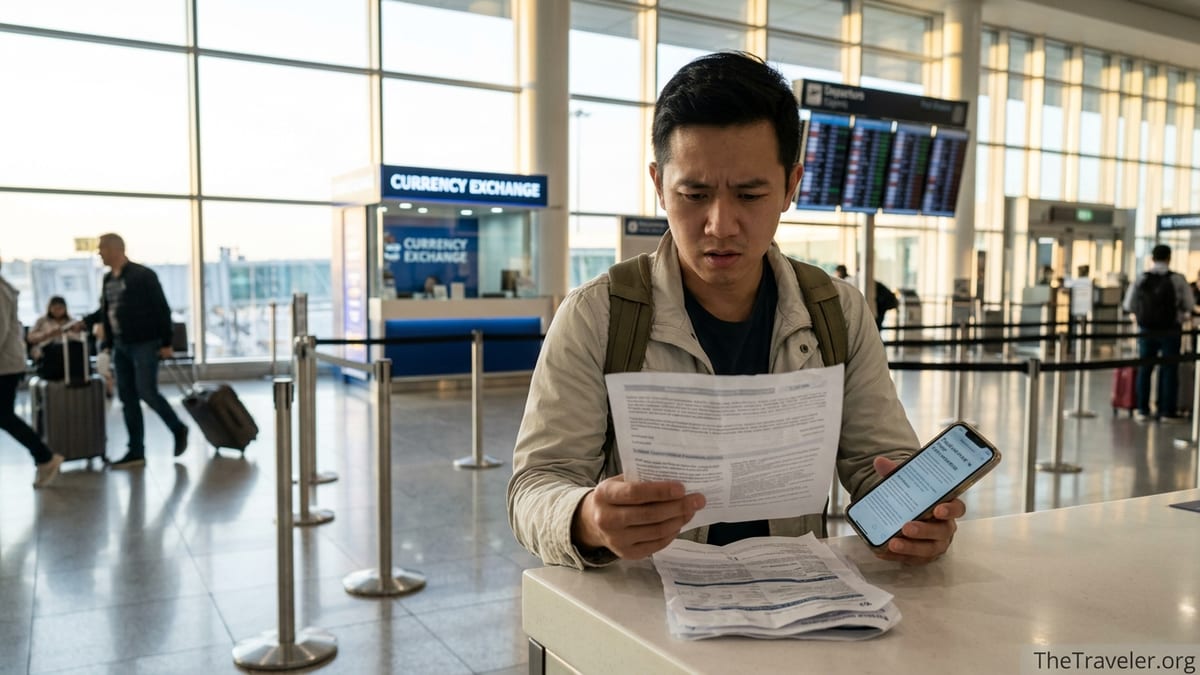
Stop Buying Whatever Plan Pops Up at Checkout
One of the biggest mistakes travelers make with Travelex is letting an airline, online travel agency or tour company auto-select a policy during checkout. That default option is usually the simplest or cheapest plan, not the one that matches your actual risks. Travelex currently sells multiple comprehensive plans such as Essential, Advantage and Ultimate, along with niche products like Travel Med Go and flight-only coverage. These plans have very different trip cancellation, medical and evacuation limits, as well as different eligibility for upgrades like Cancel For Any Reason.
Imagine you are booking a two-week family trip to Italy with prepaid villas, train passes and cooking classes totaling around 8,000 dollars. At the airline checkout page, you see a basic Travelex plan add-on that focuses on flight delays and lost baggage. If you click it without reading, you may later discover it only covers a fraction of your nonrefundable land costs. A better approach is to step away from the booking flow, compare Travelex’s comprehensive plans side by side and pick one where the trip cancellation limit can actually match your full trip cost.
Real-world complaints repeatedly show travelers angry that their claim payout was capped far below what they spent. In many cases, the policy they bought simply was not designed for an extended, high-value trip. Taking a few minutes to choose a plan intentionally, instead of accepting the default pop-up, is often the difference between a meaningful reimbursement and a token payment.
This is especially important for trips with specialized risks. A ski week in Colorado, a safari in Kenya or a cruise through hurricane season call for more robust medical, evacuation and interruption coverage than a basic, flight-centered policy typically offers.
Stop Ignoring Timing Rules for Pre-Existing Conditions
Another costly mistake is assuming your pre-existing medical conditions are automatically covered. Like most insurers, Travelex normally excludes pre-existing conditions unless you qualify for a specific waiver on certain plans and follow strict timing rules. For example, recent Travelex materials show that full coverage for pre-existing conditions is tied to buying higher-tier coverage such as Ultimate (and on some other plan families, Travel Select or Travel America) within a defined window after your first trip payment, insuring the full trip cost, and being medically able to travel when you purchase the policy.
Consider a traveler from Boston planning a 12-night river cruise in Europe that costs 6,500 dollars per person. She has well-controlled diabetes and high blood pressure. She pays the cruise deposit in January but waits until May to think about insurance, finally buying a Travelex policy a few weeks before departure. During the cruise, a complication related to her diabetes forces a hospital stay and trip interruption. When she files a claim, the medical and interruption portions linked to her condition could be denied because she did not purchase the qualifying plan within the early purchase window tied to her initial deposit.
The same issue arises with heart conditions, asthma or recent surgeries. If you have seen a doctor, changed medications or had tests for a condition in the 60 to 90 days before buying insurance, Travelex and other carriers may treat it as pre-existing. To improve your coverage, stop waiting until “right before we leave” to buy the policy. Instead, as soon as you put down your first deposit on a cruise, tour package or nonrefundable stay, research which Travelex plan offers a pre-existing condition waiver and buy within the specified days so your chronic conditions are far more likely to be covered.
For families with older travelers or anyone with ongoing health treatment, this detail alone can mean thousands of dollars in protected medical and interruption benefits. Skipping it because you waited too long is one of the most painful, common errors seen in real claim denials.
Stop Underinsuring Your Trip Cost to “Save a Little”
Many travelers try to keep premiums down by insuring only a portion of their trip cost. With Travelex, this can backfire in two big ways. First, trip cancellation and interruption benefits are usually tied to the insured trip cost you declare. If you only list part of your flights and hotels, your maximum payout will be limited to that declared amount. Second, eligibility for key features like pre-existing condition waivers and some upgrades often requires that you insure 100 percent of your prepaid, nonrefundable expenses.
Picture a couple from Chicago planning a 10-day Japan itinerary. Their total nonrefundable cost is about 9,000 dollars, including long-haul flights, a rail pass, ryokan stays and guided food tours. To shave the premium, they decide to list only 5,000 dollars as their trip cost when buying a Travelex plan, telling themselves they are willing to “self-insure” the rest. Two months later, one partner develops a serious illness and their doctor advises canceling. When they file a trip cancellation claim for the full 9,000 dollars, the insurer can limit payment to the 5,000 dollars they actually insured and may even question their eligibility for certain waivers tied to full trip cost coverage.
Real-world complaints often describe this disappointment as “the company refused to refund my full losses,” when the problem was the insured amount, not the brand itself. To improve your coverage, stop lowballing the trip cost. Take the time to add up every prepaid, nonrefundable element: airline tickets, cruises, tour deposits, specialty excursions, villa rentals and event tickets. Enter that full figure when you generate a Travelex quote, and update the insured trip cost within the allowed window each time you add new nonrefundable reservations.
This approach may raise your premium by a modest amount, but it also means that if you need to cancel or interrupt, your policy limits can actually respond to the real financial hit you are taking.
Stop Assuming “Any Reason” Is a Covered Reason
Travelers frequently confuse standard trip cancellation coverage with Cancel For Any Reason, often abbreviated CFAR. Travelex’s regular trip cancellation benefits only apply if you cancel for one of the specific reasons listed in the policy, such as a serious illness verified by a doctor, severe weather that shuts down your airline, or the death of a close family member. Wanting to cancel because the forecast looks rainy, a new work project pops up or you just feel uneasy about crowds typically is not covered.
For broader flexibility, you need a plan and upgrade that explicitly includes CFAR, and even then, there are conditions. Industry-wide, CFAR usually reimburses a percentage of your insured trip cost, often up to 50 or 75 percent, and you must cancel at least two days before departure. Current reviews of Travelex offerings note that CFAR is available as an optional upgrade on specific higher-tier products, not on every plan in the lineup.
Imagine booking a Caribbean resort in August and buying a mid-tier Travelex plan without CFAR. A month before departure, local news reports an uptick in petty crime near the resort. You decide you are uncomfortable and cancel. If crime concerns are not listed as a covered reason in your policy and you did not purchase CFAR, the insurer is likely to deny your claim, even if you feel your concern is reasonable. In another case, a traveler might cancel a European city break after reading about protests that do not trigger formal government travel warnings. Without CFAR, the claim may fail.
To improve coverage, stop assuming that “I feel unsafe” or “I changed my mind” will be considered valid on a standard Travelex plan. If you want the option to back out for personal reasons, check whether the plan you are considering offers a CFAR upgrade, review the reimbursement percentage, and follow the timing rules for purchasing that upgrade soon after your first trip payment.
Stop Skimming Over Exclusions and Documentation Requirements
Travel insurance denials are often rooted in exclusions and missing documentation that were spelled out in the policy but never fully read. Travelex, like its competitors, publishes detailed descriptions of what is not covered. Common exclusions across many of its plan documents include things like unstable pre-existing conditions without a waiver, intentional self-harm, participation in certain high-risk sports, and travel to areas under active war or government sanctions. Some older brochures also highlight that cancellations caused by an airline or tour operator that offers a credit instead of cash may be treated differently than a complete loss.
Another recurring theme in real complaints involves documentation. In one widely shared example involving Travelex and its claim administrator, a traveler who became ill on a trip canceled a prepaid tour but did not see a local physician, choosing instead to rest in the hotel. Later, the claim was denied because no medical records existed to prove that the illness met the policy’s requirements. In other public stories, travelers who canceled due to air traffic control delays or government deployment orders discovered those specific events were not among the “covered reasons” listed in the contract.
To improve your odds of a smooth claim with Travelex, stop treating the policy wording as fine print to ignore. Before you depart, set aside 20 minutes to skim the sections labeled Exclusions, Limitations and Requirements. Make a short checklist: if you get sick, see a doctor and keep receipts; if your bag is stolen, file a police report; if weather cancels flights, keep airline emails and delay notices. Store photos or scans of all this documentation in a cloud folder you can access on the road.
This simple habit turns vague expectations into clear actions. When something goes wrong, you know exactly which documents Travelex and its claim administrator are likely to ask for, instead of being caught off guard months later by a denial letter that cites “insufficient proof” or a clearly stated exclusion.
Stop Treating All Travelex Plans as Equal
Another misconception is that if you have “a Travelex policy,” you are automatically entitled to the same protections your friend or travel agent described. In reality, Travelex sells several plan families that have evolved over time. Current consumer-facing reviews reference plans named Essential, Advantage and Ultimate, plus medical-only and flight-only options. In the past, other names like Travel Select or Travel America have been used and some are still visible in partner brochures. Benefits, limits and available waivers differ significantly between these products and sometimes between states.
For instance, a family taking a road trip within the United States might buy a domestic-focused plan that emphasizes trip cancellation and emergency medical coverage but has lower evacuation limits, while a couple booking a three-week safari and wine tour in South Africa may choose a higher-tier international plan with larger medical and evacuation caps and optional adventure sports coverage. Both policies may be branded Travelex, yet they respond very differently to the same type of claim.
To improve your coverage, stop assuming that advice you saw in an online forum or heard from a friend maps exactly to your policy. When you receive your confirmation, open the certificate of insurance and verify the plan name, coverage limits, deductibles, and included benefits. Look specifically for coverage amounts under headings like Trip Cancellation, Emergency Medical Expense and Emergency Evacuation, and confirm whether waivers or upgrades like CFAR or pre-existing condition coverage are actually listed.
If you are unsure, call Travelex customer support before you travel and ask them to walk you through a specific “what if” scenario, such as an elderly parent falling ill back home or a missed cruise departure due to a delayed flight. Taking this step before departure is far more effective than arguing over assumptions after a claim is denied.
Stop Forgetting to Update Your Policy When Your Trip Changes
Trips rarely stay static from the day you pay your first deposit to the day you leave. You may add extra nights, upgrade to business-class seats, book new excursions or switch hotels. If you bought a Travelex policy early in the process, its insured trip cost and dates might no longer match your real plans by the time you travel. That mismatch can cause headaches at claim time, especially for benefits tied to your total pre-paid, nonrefundable expenses.
Consider a group of friends booking a Mediterranean cruise. They initially insure a 4,000 dollar cruise fare on a Travelex plan soon after booking. Over the next six months, they add 1,200 dollars in ship excursions, 800 dollars in independent tours in Rome and Barcelona and 1,000 dollars in upgraded flights. If they never contact Travelex or their selling agent to update the insured trip cost, their maximum cancellation payout may still sit at 4,000 dollars even though they have more than doubled their nonrefundable investment.
The same applies when dates shift. If you change your departure or return dates but fail to adjust your policy, a delay or medical claim that occurs outside the original insured period may be denied. To improve your coverage, stop viewing your Travelex policy as a “set it and forget it” purchase. Any time you add significant nonrefundable costs or move your dates, review your confirmation and contact Travelex or your broker to adjust the insured amount and travel dates within the allowed modification window.
This approach keeps your coverage aligned with the real financial exposure of your evolving trip, instead of leaving you underinsured simply because your policy information is out of date.
The Takeaway
Used thoughtfully, Travelex travel insurance can provide solid protection for everything from a long-anticipated safari to a quick domestic getaway. The problems arise when travelers treat insurance as a box to tick instead of a contract with specific rules. Buying whatever plan appears at checkout, delaying purchase until the last minute, underinsuring trip costs, assuming any reason is covered, ignoring exclusions and failing to update the policy after changes are all patterns that repeatedly show up in real-world complaints.
If you want better coverage, shift your mindset. Match the plan type to your destination, trip value and health profile. Pay attention to early-purchase deadlines for pre-existing condition waivers and CFAR, and insure the full nonrefundable cost of your trip. Read the sections of the policy that describe exclusions and documentation, and keep timely evidence if something goes wrong. Finally, treat your Travelex policy as a living part of your trip planning, updated whenever you add significant costs or change dates.
These steps do not guarantee every claim will be approved, but they dramatically increase the chances that when you truly need help, your Travelex coverage will perform the way you expected.
FAQ
Q1. Does Travelex automatically cover my pre-existing medical conditions?
Generally no. Pre-existing conditions are usually excluded unless you buy an eligible Travelex plan within the required early-purchase window, insure your full trip cost and are medically able to travel when you purchase. Always check the specific policy language for your state and plan.
Q2. If my airline cancels my flight, will Travelex always refund my entire trip?
Not necessarily. Standard trip cancellation coverage applies only for reasons listed in the policy, and airline cancellations are sometimes handled differently, especially if the carrier offers credits or rebooking. You may be covered for certain additional costs or unused, nonrefundable parts of your trip, but you should not assume an automatic full refund.
Q3. Can I buy a Travelex policy right before departure and still get the best coverage?
You can often buy coverage close to departure, but waiting usually means you lose access to valuable extras like pre-existing condition waivers or Cancel For Any Reason upgrades. Buying soon after your first trip deposit generally offers stronger overall protection.
Q4. Is it worth insuring the full cost of my trip with Travelex?
Yes in most cases. Insuring only part of your prepaid, nonrefundable expenses can limit your maximum reimbursement and may affect eligibility for certain waivers. Listing the full trip cost usually provides more meaningful protection if you need to cancel or interrupt.
Q5. Are all Travelex travel insurance plans basically the same?
No. Travelex offers multiple plan types with different names, limits and optional upgrades. A basic flight-focused plan, a domestic trip plan and a top-tier international policy can all carry the Travelex brand but respond very differently to the same claim.
Q6. Does Travelex trip cancellation cover fear of travel or bad weather forecasts?
Standard trip cancellation benefits usually do not cover general fear, changing opinions or ordinary bad weather forecasts. To cancel for reasons not listed in the policy, you typically need a plan that offers a Cancel For Any Reason upgrade, purchased within the required timeframe.
Q7. What kind of documentation does Travelex expect when I file a claim?
Travelex and its claim administrator generally expect proof that the event meets policy conditions. That can include doctor’s notes, medical records, police reports, airline delay notices, receipts for extra expenses and proof of nonrefundable payments. The exact list depends on the type of claim.
Q8. Can I change my insured trip cost or travel dates after buying Travelex coverage?
Often yes, within certain limits. If you add significant nonrefundable expenses or shift your travel dates, you should contact Travelex or your selling agent to update the insured amount and dates so your coverage matches your actual trip.
Q9. How do I know whether my Travelex plan includes a pre-existing condition waiver or CFAR?
The confirmation documents and certificate of insurance list included benefits and optional upgrades. Look specifically for language mentioning a pre-existing condition exclusion waiver or Cancel For Any Reason. If you do not see it, you probably do not have that feature and should call Travelex with your policy number to confirm.
Q10. What should I do if a Travelex claim is denied but I believe it should be covered?
You can usually appeal by providing additional documentation and a written explanation referencing the policy sections you believe apply. If the dispute remains unresolved, some travelers also contact their state insurance department for guidance. Keeping detailed records from the start makes appeals more effective.