


More news on this day
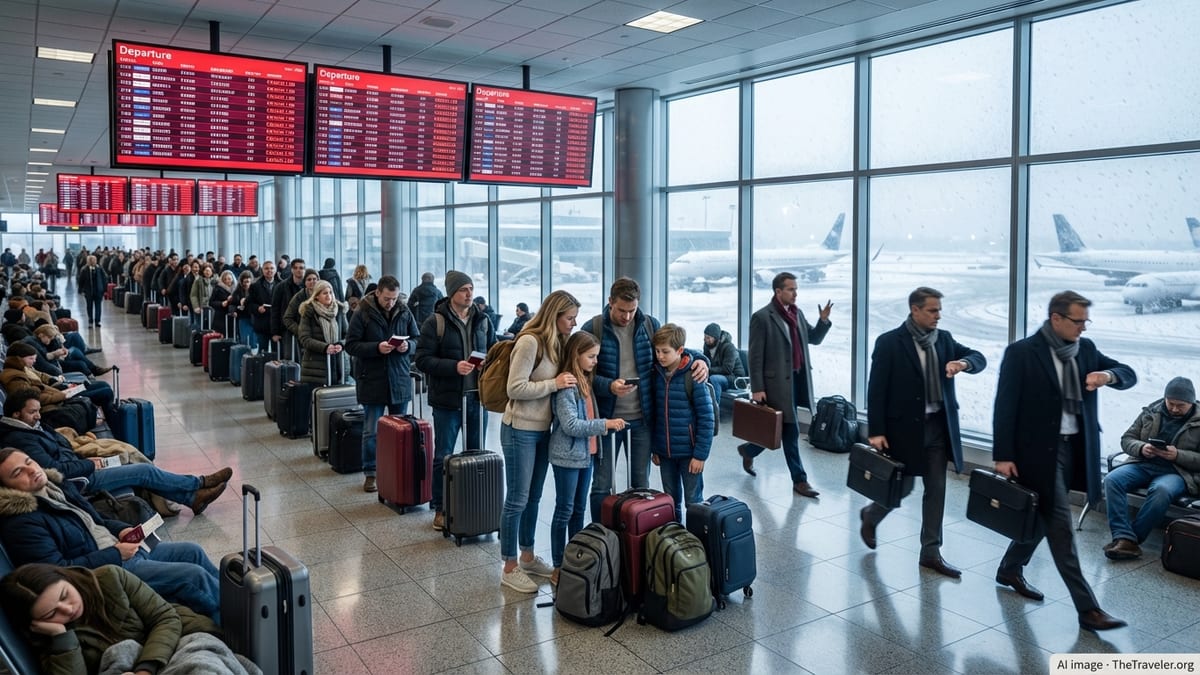
Travelers passing through Milwaukee Mitchell International Airport on June 15 faced mounting disruption as a wave of delays and cancellations stranded passengers and snarled domestic routes to major hubs including Atlanta, Chicago, Denver, Dallas and Orlando.
Get the latest news straight to your inbox!
Dozens of Flights Affected Across Major U.S. Carriers
Publicly available flight-tracking data for Monday, June 15, indicates that at least 23 departures and arrivals at Milwaukee Mitchell International Airport were delayed, with a further five flights canceled across multiple carriers. The disruption affected a cross section of domestic routes linking Milwaukee with key hubs such as Atlanta, Chicago, Denver, Dallas and Orlando.
American Airlines, Delta Air Lines, Southwest Airlines, United Airlines and Spirit Airlines were among the carriers with irregular operations on the day. Flight-status boards showed late departures and extended ground holds, while some rotations were removed from schedules entirely, leaving aircraft off pattern and passengers without same-day rebooking options.
Although overall Federal Aviation Administration delay maps for the North Central region continued to list Milwaukee as operating with general delays of 15 minutes or less, airline-specific information and third-party trackers pointed to more significant disruption at the carrier level. This reflects a growing pattern in which localized weather and network constraints can heavily impact particular airlines and routes, even when an airport’s aggregate delay metrics appear stable.
The combination of scattered cancellations and dozens of late departures meant that travelers faced missed connections downline, overnight stays and last-minute changes to onward ground transportation. The effect was especially pronounced for those relying on tight connections at major hubs served from Milwaukee.
Weather and Network Ripple Effects Hit Key Hubs
Reports from national aviation and travel outlets on June 15 linked widespread delays and cancellations to strong storms and unsettled weather across several of the country’s largest hubs. Coverage described mounting operational challenges at airports including Atlanta, Chicago O’Hare, Dallas Fort Worth and Denver, all of which are critical connection points for passengers originating in Milwaukee.
Delta’s Atlanta hub was among those highlighted, with published information showing select Atlanta to Milwaukee services affected, including at least one Milwaukee-bound flight that did not operate as scheduled. Similar patterns were visible on routes between Milwaukee and Chicago, Denver, Dallas and Orlando, where rolling weather issues and congestion in hub airspace contributed to knock-on delays.
For travelers flying from Milwaukee into these hubs, even modest schedule changes quickly compounded into longer disruptions. Thunderstorms and air-traffic flow programs can force airlines to reduce frequencies, lengthen taxi times and reroute aircraft, which in turn slows aircraft and crew rotations back into smaller spoke airports such as Milwaukee Mitchell.
The result was a classic ripple effect, where a weather event hundreds of miles away translated into crowded gate areas and late-night arrival boards in Wisconsin. Passengers bound for popular leisure destinations, particularly Florida and Colorado, encountered extended waits as aircraft arriving from earlier legs were held or diverted in other parts of the network.
Impact on Major Domestic Routes From Milwaukee
Milwaukee Mitchell International has built a strong portfolio of domestic connections, with recent traffic data indicating heavy passenger volumes on routes to Atlanta, Denver, Chicago and Orlando. Those same routes were among the most visibly affected on June 15, underscoring how disruption at a handful of large hubs can quickly touch a significant share of local travelers.
Atlanta, a key link for both Delta and other carriers, saw schedule interruptions that reverberated across Milwaukee’s evening departures and late-night arrivals. Flight histories for certain Milwaukee to Atlanta and Atlanta to Milwaukee services showed late operations or cancellation notices, limiting same-day recovery options for travelers attempting to connect onward in the Southeast.
Similar challenges emerged on mid-continent links to Denver and Dallas, which serve as important connecting points for western destinations. Public schedules showed those routes operating on a reduced or delayed basis at various times during the day, narrowing options for travelers hoping to reposition quickly to the Mountain West or Sun Belt cities.
Flights to Chicago and Orlando, two of Milwaukee’s other high-demand markets, did not escape the volatility. With Chicago serving as a gateway for both domestic and transatlantic journeys, disruptions on the short hop between Milwaukee and O’Hare created particular difficulties for those reliant on tight connection windows. Orlando, a popular leisure route especially in summer, saw delays that affected families and vacationers heading to Florida’s theme parks and resorts.
Passenger Experience: Long Waits, Rebookings and Uncertainty
As the day progressed, social media posts and traveler forums carried first-hand accounts of long waits at gates, shifting departure times and uncertainty over when flights would actually leave Milwaukee. Passengers described multiple rolling delay messages, including instances of flights pushed back repeatedly before ultimately being marked canceled.
Publicly accessible discussions among travelers also highlighted the strain on customer-service desks and call centers as rebooking requests surged. With multiple airlines facing simultaneous weather and network issues, same-day alternatives were often limited, forcing some passengers to accept next-day departures or entirely different routings through less congested hubs.
Families traveling with children and those on tight schedules reported particular difficulties managing extended time in the terminal. Seating near heavily affected gates filled quickly, and passengers sought out power outlets and quiet areas to wait out delays or rearrange hotel and rental-car bookings at their destination.
For some travelers, the most significant impact was the loss of onward connections. Missed last flights of the night from hubs such as Atlanta, Dallas or Chicago translated into unscheduled overnight stays and additional expenses, even when their original departure from Milwaukee had been delayed by what appeared to be a relatively short amount of time.
Airlines Urge Flexible Plans as Summer Travel Peaks
The disruption at Milwaukee Mitchell International occurred as the broader U.S. airline system moves into the busiest stretch of the summer travel season. Industry statements and recent seasonal advisories from airports and carriers have emphasized that tight schedules, high load factors and increasingly volatile weather patterns can lead to sudden operational challenges, even on otherwise routine days.
Guidance from aviation-focused resources continues to recommend that passengers build additional buffer time into itineraries, especially when connecting through major hubs known for congestion or frequent thunderstorms. Early morning departures, longer layovers and nonstop flights where available are frequently cited as ways to reduce the risk of becoming stranded when irregular operations occur.
Travel-planning resources focused on Milwaukee advise passengers to monitor both airline apps and independent flight-status tools in real time, as delay estimates can change quickly in response to shifting weather and air-traffic control constraints. They also suggest being prepared with alternative routing ideas, such as nearby airports or different carriers, if a planned flight is canceled.
As operations gradually normalize following the June 15 disruptions, travelers using Milwaukee Mitchell International are likely to see continued emphasis on flexibility and preparedness. With storms and high demand expected to remain a feature of the summer travel landscape, those lessons may prove valuable well beyond a single difficult day at the airport.